

Introduction to Clay Ash Pneumatic Conveying Equipment: Structure and Working Principle
HeadPowder, formally known as Shandong HeadPowder Engineering Co., Ltd., is a professional manufacturer based in Shandong, China. The company specializes in the design, development, and production of advanced pneumatic conveying systems, including equipment for handling clay ash and other bulk materials. With a strong focus on engineering excellence and customer satisfaction, HeadPowder has established itself as a reliable partner in the material handling industry.
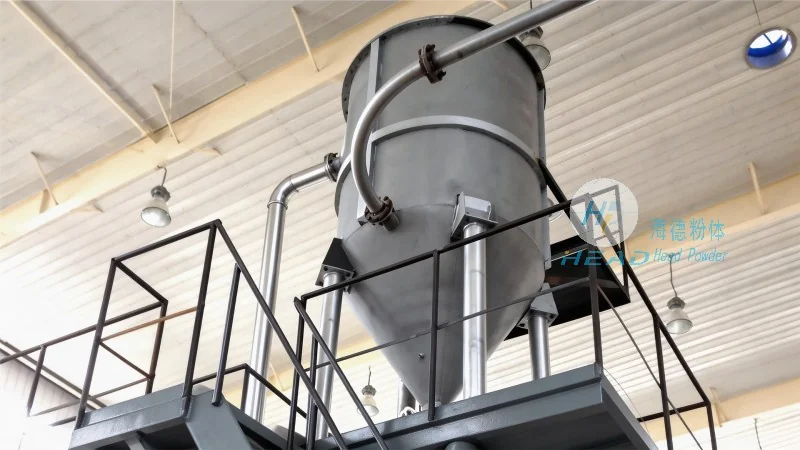
Pneumatic Conveying Technology for Clay Ash
The clay ash pneumatic conveying equipment is engineered to efficiently transport clay ash from storage silos or processing units to the final destination, such as waste treatment facilities or disposal sites. This system utilizes air as the primary medium to move the material, eliminating the need for mechanical components like belts or buckets that are common in traditional bulk material handling. The design ensures minimal material degradation and low maintenance requirements, making it suitable for various industrial applications.
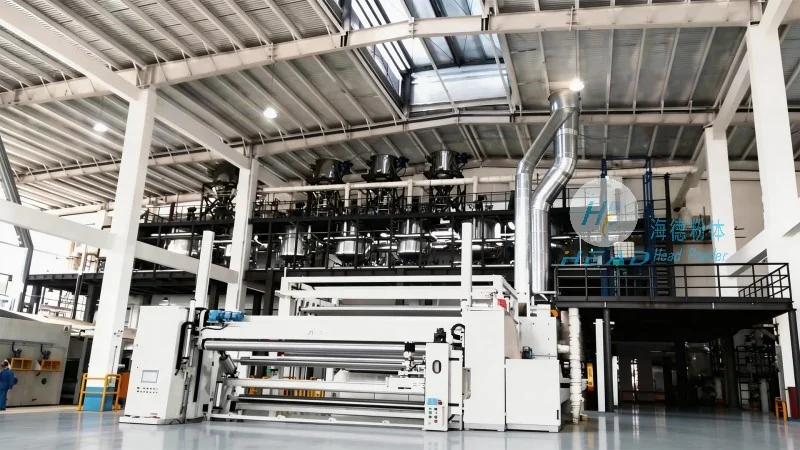
Key Components and Structure
The clay ash pneumatic conveying system typically consists of several critical components that work in concert to achieve effective material transport. The main parts include the hopper, which serves as the material inlet and helps maintain a consistent flow; the air compressor, which generates the necessary air pressure to move the material; the conveying line, which is usually made of durable materials like stainless steel or high-density polyethylene to withstand the abrasive nature of clay ash; and the discharge valve or outlet, which controls the release of the material at the destination. Each component is carefully designed to ensure optimal performance and longevity.
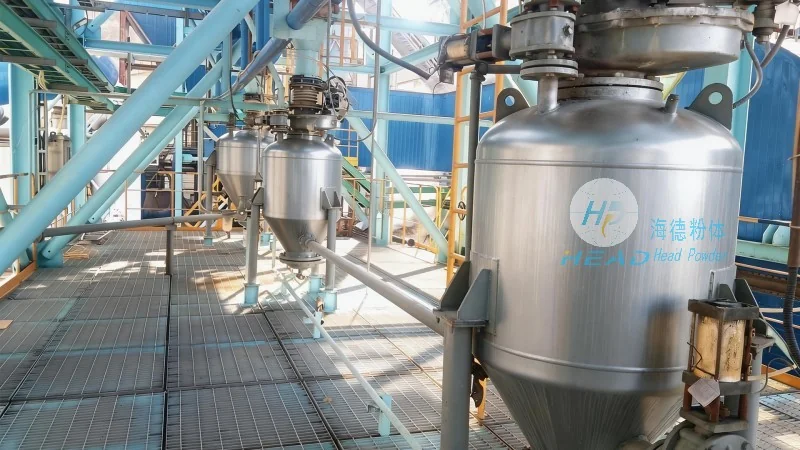
Working Principle of the Pneumatic Conveying System
The operation of the clay ash pneumatic conveying equipment follows a straightforward yet efficient process. First, the clay ash is fed into the hopper from the source. Simultaneously, the air compressor starts and generates high-pressure air. The air is then introduced into the conveying line, creating a flow that draws the clay ash particles into the system. As the air and material mixture travels through the line, the pressure and velocity are maintained to ensure the material is transported without clogging or degradation. At the receiving end, the air is separated from the material, often through a cyclone separator or a filter, and the air is either vented or recycled back into the system. The separated clay ash is then discharged into the designated container or processing unit.
Advantages of Using Pneumatic Conveying for Clay Ash
Implementing a pneumatic conveying system for clay ash offers several advantages over traditional handling methods. Firstly, it provides a dust-free operation, which enhances workplace safety and reduces the risk of respiratory issues among workers. Secondly, the system is highly flexible, allowing for changes in the conveying route without major modifications to the infrastructure. Thirdly, it minimizes material loss and contamination, as the material is contained within the system throughout the transport process. Additionally, the low maintenance requirements and energy efficiency of the system contribute to long-term cost savings for industrial operations.
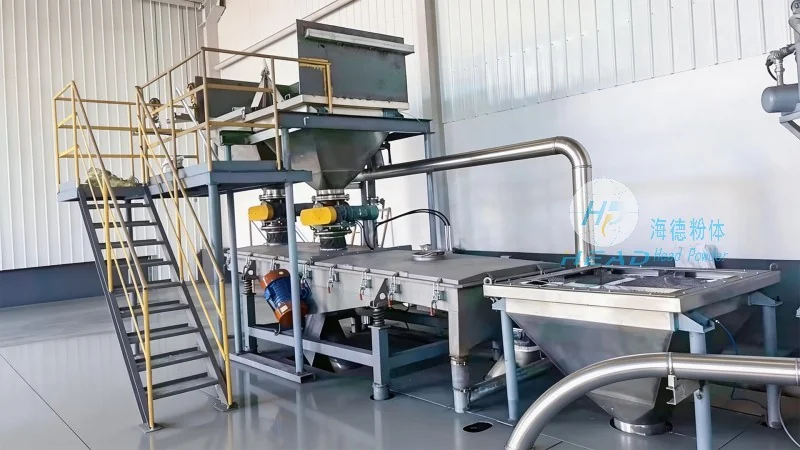
Application Scenarios
The clay ash pneumatic conveying equipment is widely used in various industrial settings where clay ash is generated as a byproduct. These include power plants, cement factories, and waste treatment facilities. In power plants, the system is used to transport fly ash from the boiler to the storage silos or for further processing. In cement factories, it helps move raw materials or byproducts to different processing stages. The versatility of the system makes it adaptable to different production scales and operational requirements, ensuring efficient material handling in diverse industrial environments.