

Introduction to Feed Pneumatic Conveying Systems: Structure and Working Principles
Welcome to Shandong HeadPowder Engineering Co., Ltd., a leading manufacturer specializing in advanced feed processing equipment. This article provides a comprehensive overview of feed pneumatic conveying systems, focusing on their structural design and operational principles. As a company based in Shandong, China, HeadPowder has been dedicated to delivering efficient and reliable solutions for the feed industry.

Overview of Feed Pneumatic Conveying Systems
Feed pneumatic conveying systems are essential equipment used in the animal feed production industry to transport bulk materials such as grains, pellets, and other feed ingredients from one location to another. These systems utilize air pressure to move materials through a pipeline network, offering a flexible and efficient method for material handling compared to traditional mechanical conveyors. The primary goal of these systems is to ensure safe, hygienic, and efficient transport of feed materials, minimizing dust generation and product contamination.
Key Structural Components of the System
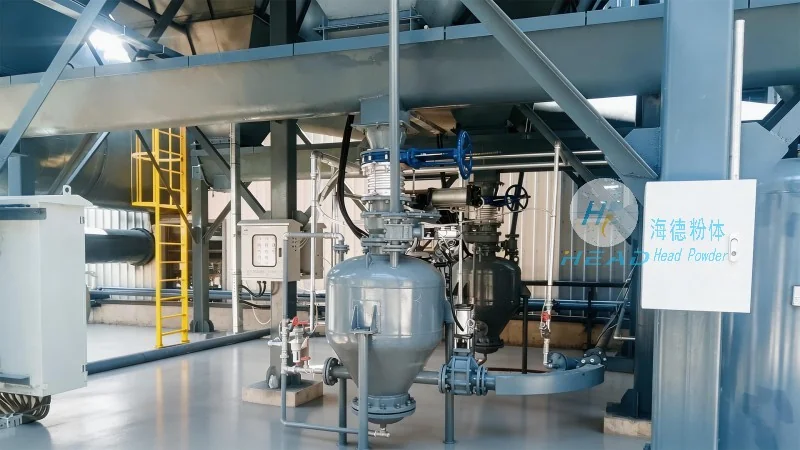
The feed pneumatic conveying system consists of several critical components that work in tandem to achieve effective material transport. The main structural elements include the material hopper, which serves as the storage and feeding point for the feed ingredients. The hopper is equipped with a feed valve or rotary valve to control the flow of material into the system. A blower or air compressor provides the necessary air pressure to create the conveying airflow. The pipeline network, typically made of stainless steel or other corrosion-resistant materials, forms the main transport path for both the material and air. At the receiving end, a receiver or silo collects the conveyed feed, often equipped with a discharge valve for controlled release. Additionally, the system may include filters and dust collectors to maintain air quality and prevent material loss. The control panel, located near the blower, allows operators to adjust air pressure, flow rates, and other operational parameters to optimize system performance.
Working Principles of the Pneumatic Conveying Process
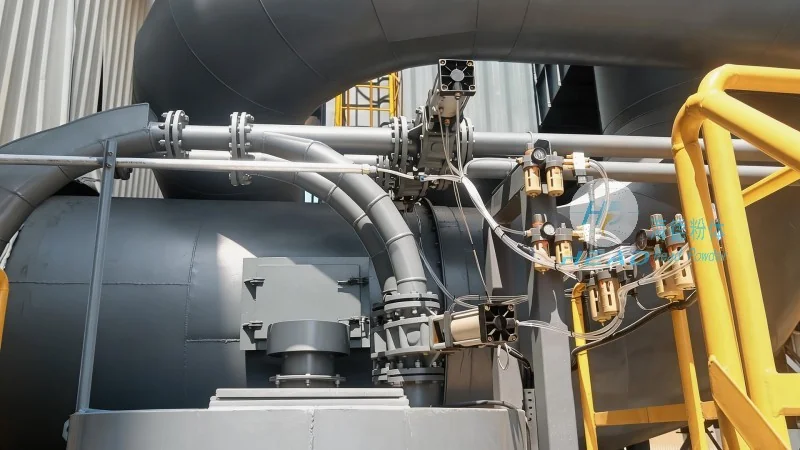
The operation of a feed pneumatic conveying system follows a systematic process that involves several stages. Initially, feed materials are fed from the hopper into the pipeline via the rotary valve. Simultaneously, the blower generates high-pressure air that is introduced into the pipeline. As the air flows through the system, it carries the feed particles along the pipeline, creating a dense phase or dilute phase conveying condition depending on the system design and material characteristics. The air velocity within the pipeline is carefully controlled to ensure that the feed particles are suspended and transported efficiently without causing excessive wear or blockages. At the receiving end, the air and material mixture enters the receiver, where the air is separated from the feed through a cyclone or other separation device. The separated air is then filtered and discharged, while the feed is collected in the receiver for further processing or storage. The entire process is monitored and controlled by the system's control panel, which adjusts parameters in real-time to maintain optimal conveying conditions.
Advantages and Applications in the Feed Industry
Feed pneumatic conveying systems offer numerous advantages over traditional mechanical conveyors, making them a preferred choice in modern feed production facilities. One of the key benefits is the ability to transport feed materials over long distances with minimal maintenance requirements. The system's design allows for flexible pipeline routing, enabling easy integration into existing production layouts. Additionally, pneumatic conveying systems are highly effective in preventing dust contamination and product cross-contamination, which is crucial for maintaining feed quality and compliance with industry standards. These systems are widely used in various applications, including the transport of raw materials from storage silos to feed mills, the transfer of finished feed products to packaging lines, and the handling of additives and supplements within the feed manufacturing process. The efficiency and reliability of pneumatic conveying systems contribute significantly to overall production productivity and cost reduction in the feed industry.
Conclusion
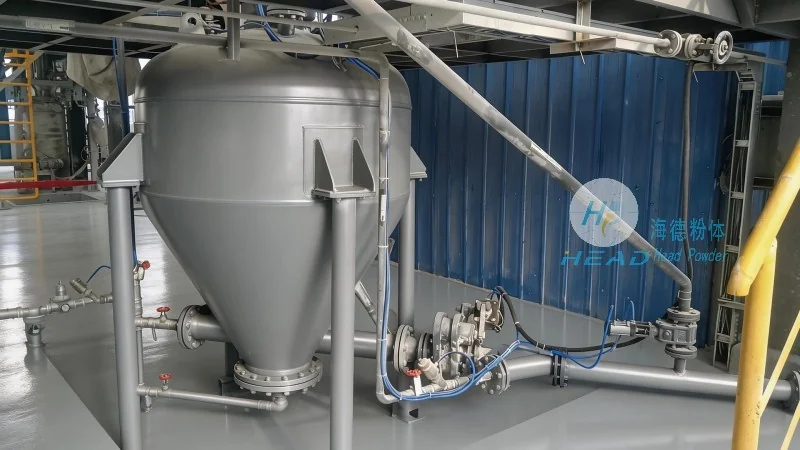
In conclusion, feed pneumatic conveying systems represent a sophisticated and efficient solution for material handling in the animal feed industry. The structural design and working principles of these systems, as exemplified by the products from Shandong HeadPowder Engineering Co., Ltd., ensure reliable and hygienic transport of feed ingredients. By understanding the key components and operational mechanisms, feed manufacturers can optimize their material handling processes, enhance production efficiency, and maintain high standards of product quality. As a leading provider in the field, HeadPowder continues to innovate and deliver advanced pneumatic conveying solutions tailored to the specific needs of the feed industry.