

The Introduction to Soybean Meal Pneumatic Conveying Systems: Structural Design and Operational Prin
When it comes to efficiently handling and transporting soybean meal, pneumatic conveying systems offer a reliable and efficient solution. These systems are widely used in the food processing and agricultural industries, providing a means to move bulk materials like soybean meal from one location to another with minimal manual intervention. The following overview will explore the key components, structural design, and working principles of a typical soybean meal pneumatic conveying line, highlighting the technological advancements that enhance performance and safety.
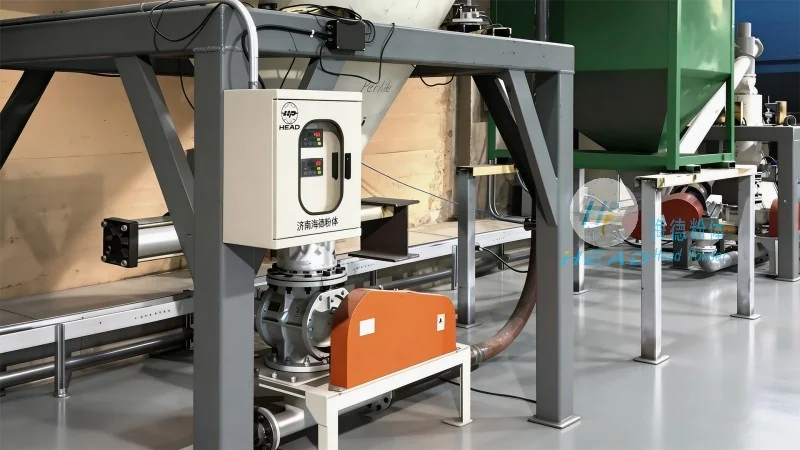
HeadPowder, a leading manufacturer based in Shandong, China, specializes in the design and production of high-quality pneumatic conveying equipment. With years of experience in the industry, the company has developed systems tailored to meet the specific needs of soybean meal processing facilities. The following sections will delve into the core elements of such a system, ensuring a comprehensive understanding of its functionality and benefits.
Key Components of a Soybean Meal Pneumatic Conveying System
A pneumatic conveying system for soybean meal typically consists of several critical components that work in harmony to ensure smooth material transport. These components include the hopper, feeder, air compressor, conveying pipeline, and receiver. Each part plays a vital role in the overall operation, and their proper integration is essential for optimal performance.
The hopper is the initial storage unit where soybean meal is loaded. It is designed to hold a sufficient quantity of material to maintain a consistent flow into the feeder. The feeder, often a rotary valve or a screw feeder, regulates the discharge rate of the soybean meal, ensuring a controlled and steady supply to the system. This control is crucial to prevent overloading or underloading of the conveying line, which can lead to inefficiencies or equipment damage.
The air compressor is the heart of the pneumatic system, providing the necessary pressure and airflow to move the soybean meal through the pipeline. Different types of compressors, such as rotary lobe or centrifugal, are used depending on the system's requirements, including the distance to be covered and the material's characteristics. The compressor's capacity must be matched to the system's needs to avoid excessive energy consumption or insufficient conveying power.
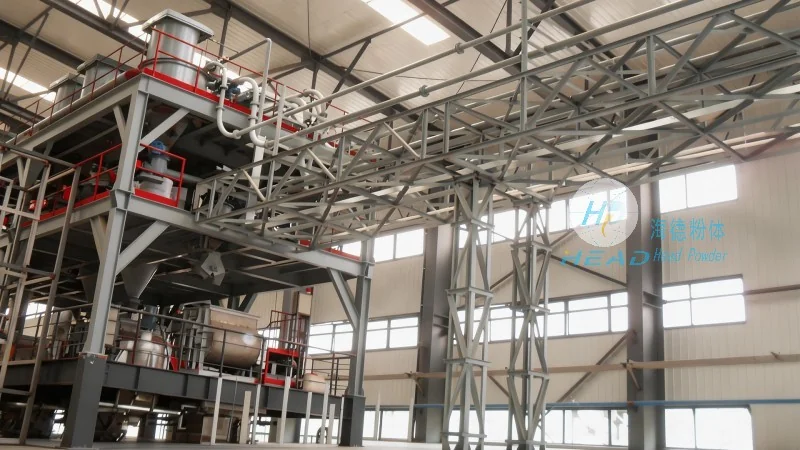
The conveying pipeline is where the soybean meal travels under the force of compressed air. The design of the pipeline, including its diameter, length, and bends, significantly impacts the system's efficiency. Properly sized and routed pipelines minimize pressure drop and ensure that the material is conveyed at the desired velocity. The use of smooth, corrosion-resistant materials like stainless steel is common to prevent material buildup and maintain hygiene standards, which are critical in food processing applications.
The receiver is the final storage or discharge point where the soybean meal is collected after being transported through the pipeline. It is equipped with a discharge valve or outlet that allows the material to be released into the next processing stage or storage area. The receiver's design also includes features like dust collection and filtration to maintain air quality and prevent contamination.
Structural Design and Working Principles
The structural design of a soybean meal pneumatic conveying system is engineered to balance efficiency, durability, and safety. The system's layout is typically determined by the process flow and the physical constraints of the facility. For example, the hopper and receiver may be positioned at different heights, requiring vertical or inclined pipelines to connect them. The design must account for the material's density, flowability, and potential for dust generation, ensuring that the system can handle the specific characteristics of soybean meal without compromising performance.
The working principle of a pneumatic conveying system involves the creation of a pressure differential between the hopper and the receiver. The air compressor generates high-pressure air, which is introduced into the hopper. As the air flows through the pipeline, it entrains the soybean meal particles, forming a mixture known as a "slurry" or "pneumatic stream." The air and material mixture travels through the pipeline under the pressure difference, reaching the receiver where the air is released and the material is deposited.
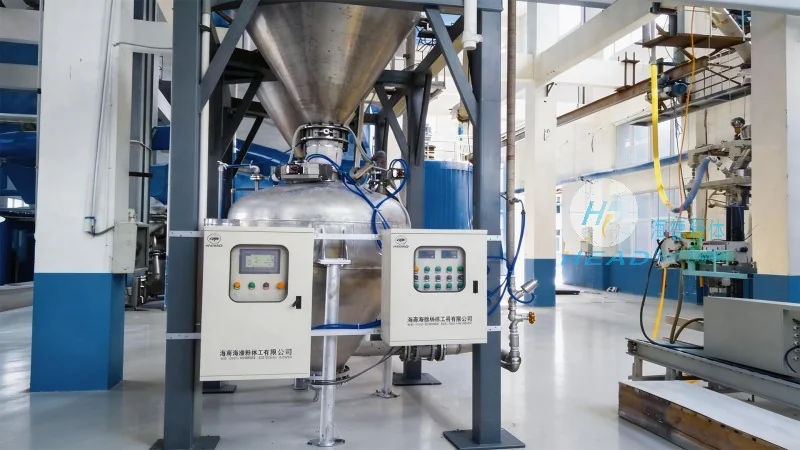
This process is continuous, with the feeder controlling the material feed rate and the compressor maintaining the required airflow. The system operates in a closed loop, with the air being recirculated or discharged after passing through the receiver's filtration system. This closed-loop design helps to maintain consistent air pressure and temperature, reducing energy waste and ensuring stable operation.
Advantages of Pneumatic Conveying for Soybean Meal
Implementing a pneumatic conveying system for soybean meal offers several advantages over traditional methods like belt conveyors or manual handling. One of the primary benefits is the ability to transport materials in a dust-free environment, which is essential for maintaining product quality and adhering to hygiene regulations. The enclosed system prevents contamination from external sources and reduces the risk of dust explosions, enhancing workplace safety.
Another advantage is the flexibility in system layout. Pneumatic conveying lines can be easily reconfigured or extended to accommodate changes in production capacity or facility layout. This adaptability is particularly valuable in dynamic manufacturing environments where processes may evolve over time. Additionally, the system's ability to handle vertical and horizontal transport in a single line reduces the need for multiple pieces of equipment, simplifying the overall process and minimizing space requirements.
Efficiency is also a key benefit, as pneumatic systems can achieve high material throughput with lower energy consumption compared to some other methods. The controlled flow of material and air minimizes waste and ensures that the system operates at optimal performance levels. Furthermore, the reduced need for manual handling and material handling equipment leads to lower labor costs and improved worker safety.
Conclusion
In conclusion, soybean meal pneumatic conveying systems represent a sophisticated and efficient solution for material handling in the food processing industry. The structural design and working principles of these systems, as exemplified by the products from Shandong HeadPowder Engineering Co., Ltd., combine advanced engineering with practical application to deliver reliable performance. By understanding the key components and operational principles, users can make informed decisions about implementing such systems, ensuring optimal efficiency, safety, and cost-effectiveness in their soybean meal processing operations.