

Denitration Urea Pneumatic Conveying Equipment: An Overview of Structure and Working Principle
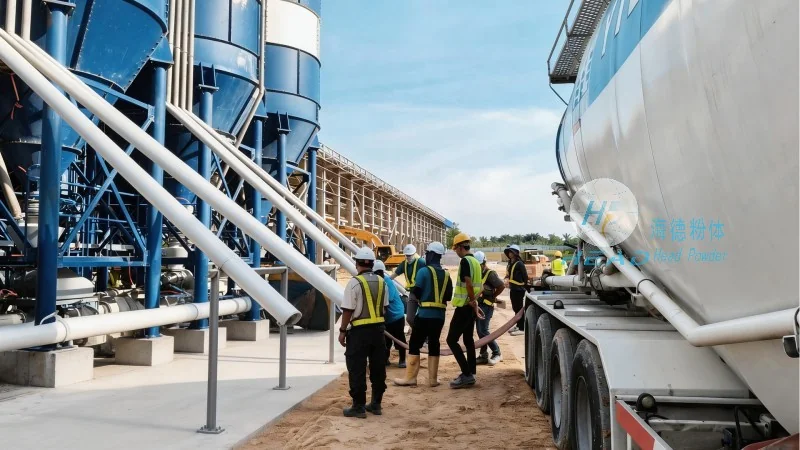
Denitration urea, as a key reagent in flue gas denitration processes, requires efficient and reliable transport systems to ensure optimal performance in industrial applications. This article provides a comprehensive overview of the denitration urea pneumatic conveying equipment, focusing on its structural design and operational principles. The equipment is engineered to handle the unique characteristics of urea, including its granular form and the need for precise dosing in denitration systems.
Introduction to Denitration Urea Pneumatic Conveying Equipment
Denitration urea, commonly used in selective catalytic reduction (SCR) systems for flue gas treatment, demands specialized handling due to its chemical properties and application requirements. The pneumatic conveying equipment designed for this purpose is a critical component in ensuring the consistent and safe delivery of urea to the denitration reactor. This equipment combines advanced engineering with robust construction to meet the stringent demands of industrial environments.
Structural Components and Design of the Pneumatic Conveying System
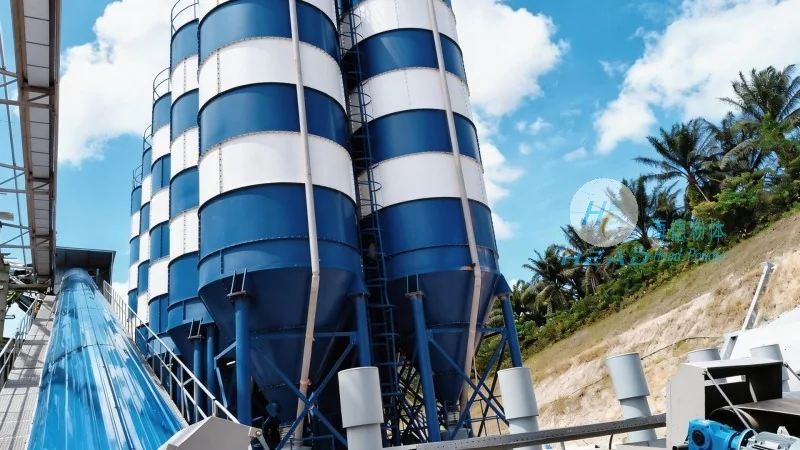
The denitration urea pneumatic conveying equipment typically consists of several key components, each playing a vital role in the overall operation. The system includes a hopper for storing urea, a feeder mechanism to control the flow rate, a conveying pipeline network, and a venturi or other air-driven devices to transport the urea particles. The hopper is designed with a smooth interior surface to prevent material buildup and ensure uniform discharge. The feeder, often a rotary valve or screw feeder, regulates the urea flow based on process requirements, maintaining consistent pressure and flow rates. The conveying pipeline is constructed from corrosion-resistant materials, such as stainless steel, to withstand the chemical properties of urea and the abrasive nature of its granules. The venturi or air-driven unit generates the necessary air flow to move the urea particles through the pipeline, with adjustable air pressure and flow rates to optimize conveying efficiency.
Working Principle of the Pneumatic Conveying Process
The operation of the denitration urea pneumatic conveying system follows a well-defined process. First, urea is stored in the hopper and fed into the conveying pipeline through the feeder. Simultaneously, compressed air is introduced into the system, creating a high-velocity air stream. As the urea particles enter the pipeline, they are entrained by the air flow and transported to the denitration reactor. The air flow velocity is carefully controlled to ensure that the urea particles remain suspended without causing excessive wear on the pipeline or equipment components. The system may include additional components, such as cyclones or filters, to separate the urea particles from the air stream at the destination, allowing for the collection of the urea at the reactor inlet. This process ensures that the urea is delivered in a dry, consistent manner, minimizing moisture content and maintaining the effectiveness of the denitration process.
Key Features and Advantages of the Equipment
Shandong HeadPowder Engineering Co., Ltd. has developed advanced denitration urea pneumatic conveying equipment with several key features that enhance performance and reliability. The equipment is designed for high efficiency, with minimal energy consumption and low maintenance requirements. The use of corrosion-resistant materials ensures long service life and reduces the need for frequent replacements. The system is also equipped with safety features, such as pressure relief valves and overfill protection, to prevent accidents and ensure safe operation. Additionally, the equipment can be customized to meet specific process requirements, including different flow rates, particle sizes, and conveying distances. The robust construction and advanced control systems make it suitable for continuous operation in demanding industrial environments.
Application in Industrial Denitration Systems
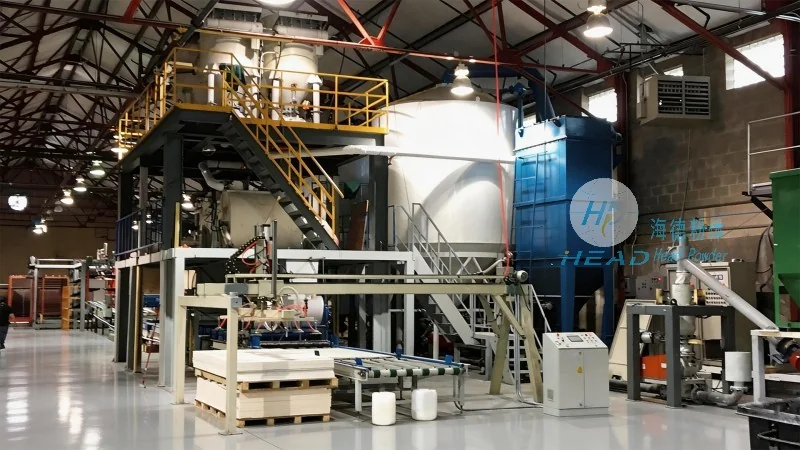
The denitration urea pneumatic conveying equipment is widely used in power plants, industrial boilers, and other facilities that employ flue gas denitration technologies. In these applications, the equipment plays a crucial role in delivering urea to the SCR reactor at the correct concentration and flow rate. The consistent delivery of urea is essential for maintaining the efficiency of the denitration process, as any fluctuations in urea supply can lead to incomplete reduction of nitrogen oxides and increased emissions. The equipment's ability to handle large volumes of urea and operate continuously ensures that the denitration system can meet emission standards and operate efficiently. By providing reliable and efficient urea transport, the equipment contributes to the overall performance and environmental compliance of the industrial facility.
Conclusion and Company Information
Denitration urea pneumatic conveying equipment is a critical component in modern flue gas denitration systems, ensuring the efficient and safe delivery of urea to the denitration reactor. The equipment's structural design and operational principles are optimized to meet the unique requirements of urea handling, providing high efficiency, reliability, and durability. Shandong HeadPowder Engineering Co., Ltd., a leading manufacturer in this field, offers advanced solutions tailored to the needs of industrial applications. With its commitment to quality and innovation, the company provides equipment that enhances the performance and environmental compliance of denitration systems. Based in Shandong, China, HeadPowder Engineering Co., Ltd. continues to serve clients worldwide with reliable and efficient denitration urea pneumatic conveying equipment.