

Introduction to the Structure and Working Principle of Cement and Fly Ash Pneumatic Conveying Equipm
This article provides an overview of the cement and fly ash pneumatic conveying equipment, focusing on its structural design and operational principles. As a key component in material handling systems, this equipment is widely used in the cement and power industries to efficiently transport bulk materials like cement and fly ash over long distances. The following sections will delve into the key components, working mechanism, and practical applications of this equipment, highlighting its importance in modern industrial processes.
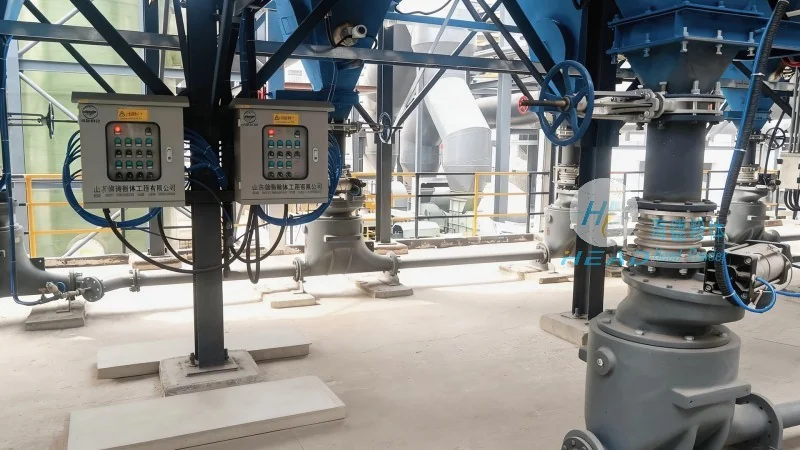
About Shandong HeadPowder Engineering Co., Ltd.
HeadPowder, the abbreviation for Shandong HeadPowder Engineering Co., Ltd., is a leading manufacturer specializing in the design, development, and production of advanced material handling equipment. With a strong commitment to innovation and quality, the company has established itself as a trusted partner in the cement and related industries. HeadPowder's headquarters is located in Shandong, China, where the company leverages its extensive experience and technical expertise to deliver reliable and efficient solutions for material transportation challenges.
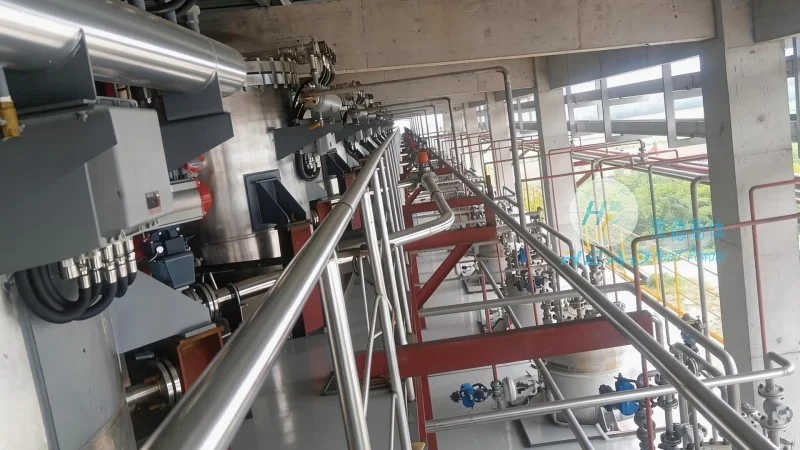
Key Structural Components of the Pneumatic Conveying System
The cement and fly ash pneumatic conveying equipment is composed of several essential components that are crucial for its effective operation. The hopper serves as the primary storage vessel, designed to hold large quantities of cement or fly ash. It is equipped with a feeding mechanism, such as a rotary valve or screw feeder, which regulates the material flow into the conveying pipeline. The feeder ensures a consistent and controlled discharge of the material, preventing overloading or underloading of the system. The conveying pipeline is a critical component, typically constructed from stainless steel or high-density polyethylene (HDPE) to withstand the abrasive nature of cement and fly ash. The pipeline is designed with appropriate bends and elbows to accommodate the required transport path, with smooth internal surfaces to minimize friction and material buildup. The air compressor is a high-performance unit that generates the necessary air pressure, usually ranging from 0.5 to 1.0 MPa, depending on the material and distance to be conveyed. The compressor is equipped with a filter and dryer to ensure clean and dry air, which is essential for preventing material clogging and maintaining system efficiency. The control system integrates various sensors and actuators, including pressure transducers, flow meters, and safety valves, to monitor the system parameters and respond to any abnormalities. This system ensures that the conveying process is safe, reliable, and optimized for performance.
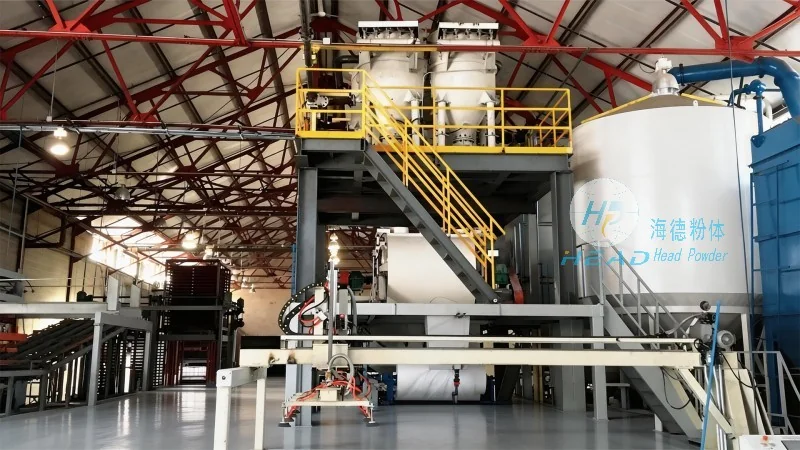
Working Principle of the Pneumatic Conveying Equipment
The pneumatic conveying process operates by creating a pressure differential between the hopper and the discharge point. The air compressor supplies compressed air into the conveying pipeline, creating a high-pressure environment. As the air flows through the pipeline, it entrains the bulk material, forming a slurry-like mixture. The material is then carried along the pipeline by the moving air, with the air pressure maintaining the flow velocity. The system is designed to handle both dilute phase and dense phase conveying, depending on the material characteristics and required transport distance. In dilute phase conveying, the material is suspended in the air stream, while in dense phase conveying, the material is transported in a more concentrated form, often with higher air pressure and lower flow rates. The control system continuously monitors the pressure and flow rates, adjusting the air compressor output to maintain optimal conveying conditions. This dynamic control ensures that the material is transported efficiently, with minimal energy consumption and maximum throughput. The system also includes safety features, such as pressure relief valves and emergency shut-off mechanisms, to prevent overpressure and ensure operator safety.
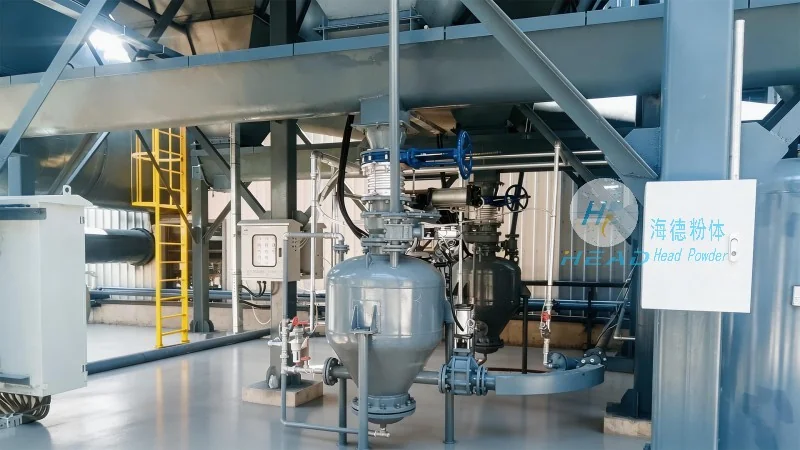
Applications and Benefits of the Pneumatic Conveying Equipment
The cement and fly ash pneumatic conveying equipment is widely used in various industrial applications, particularly in the cement and power generation industries. It is commonly employed to transport cement from storage silos to production lines, or to move fly ash from power plants to disposal or utilization sites. The equipment offers several advantages over traditional mechanical conveying methods, including reduced maintenance costs, lower energy consumption, and improved safety. Unlike mechanical conveyors, which require regular lubrication and part replacement, pneumatic systems have fewer moving parts and are less prone to wear and tear. The air-based transport also eliminates the need for physical contact between the material and the conveyor, reducing the risk of contamination and material degradation. Additionally, the system can handle a wide range of material types and particle sizes, making it versatile for different industrial applications. The compact design of the equipment allows for easy installation in confined spaces, and the modular construction enables flexible configuration to meet specific project requirements. Overall, the cement and fly ash pneumatic conveying equipment provides a reliable and efficient solution for bulk material transportation, contributing to improved operational efficiency and cost savings in industrial processes.