

The Introduction to Pneumatic Conveying Equipment for Battery Materials and Its Structural Principle
Pneumatic conveying equipment is a critical component in the battery material processing industry, designed to efficiently transport bulk materials such as powders and granules used in battery production. This equipment plays a vital role in ensuring smooth material flow from storage to processing units, enhancing operational efficiency and reducing downtime. The technology behind pneumatic conveying leverages air pressure to move materials through a closed system, offering advantages like dust control, minimal material degradation, and flexible system integration.
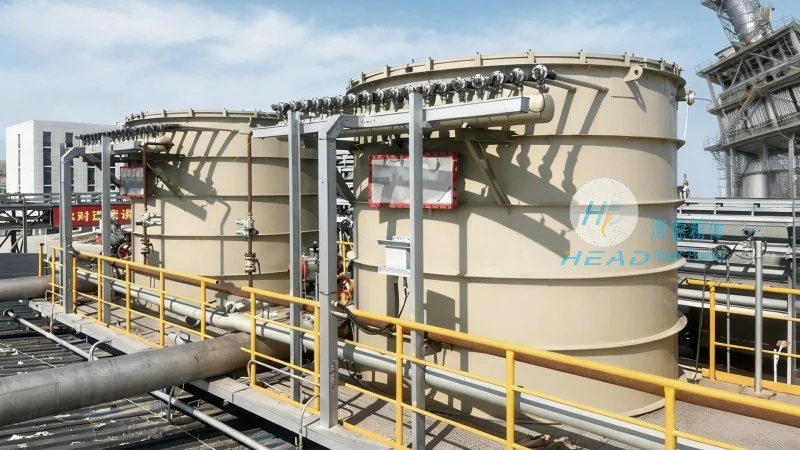
Structural Principles of Pneumatic Conveying Systems
The structural principles of pneumatic conveying systems revolve around the interaction between air and material, creating a fluidized or suspended state for transport. There are primarily two types of systems: positive pressure and negative pressure. Positive pressure systems use a blower to generate air pressure, pushing the material through the conveying line. This type is suitable for long-distance and high-volume transport, as it can maintain consistent pressure and flow. Negative pressure systems, on the other hand, use a vacuum pump to create a vacuum, drawing the material into the system. These systems are ideal for short-distance transport and handling fine powders, as they minimize material degradation and dust generation. The structural design of the conveying line includes various components such as elbows, straight sections, and expansion joints, which are strategically placed to ensure smooth material flow and prevent blockages. The feed hopper is equipped with a material feeder, such as a rotary valve or screw feeder, to control the material discharge rate. The discharge point may include a filter or separator to remove any entrained air or fine particles, ensuring the material is delivered in a clean and dry state. Each component is carefully engineered to work together, optimizing the overall performance of the pneumatic conveying system.
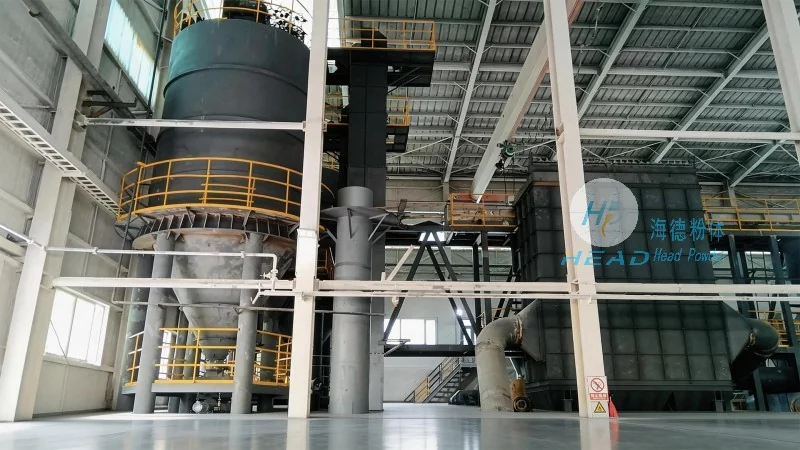
Key Features and Advantages of Pneumatic Conveying Equipment
For battery material processing, pneumatic conveying equipment offers several key features and advantages that address the unique challenges of handling fine powders and granules. One of the primary advantages is its ability to control dust, which is critical in maintaining a safe working environment and preventing material loss. The enclosed system design ensures that powders remain contained, reducing the risk of contamination and environmental impact. Another significant advantage is the minimal material degradation, as the equipment operates at controlled velocities and pressures, preventing agglomeration or breakage of the battery materials. The adjustable flow rate capability allows for precise control over the material transport, matching the production rate and avoiding overloading or underloading of processing units. Additionally, the system's flexibility enables easy integration with existing production lines, facilitating modular expansion and adaptation to changing production requirements. These features collectively contribute to improved operational efficiency, reduced maintenance costs, and enhanced product quality in battery material processing.
Application in Battery Material Processing
Pneumatic conveying equipment is extensively used in various stages of battery material processing, from raw material reception to final product packaging. In the raw material handling stage, the equipment efficiently transports materials such as lithium carbonate, nickel oxide, and graphite from storage silos to the processing plant. The consistent flow provided by the system ensures a steady supply of raw materials, minimizing production delays. During the mixing process, the equipment evenly distributes different battery materials, such as cathode active material and anode material, to achieve the desired chemical composition and particle size distribution. This uniform mixing is crucial for the performance and stability of the final battery product. In the packaging stage, the system transfers finished materials into containers, maintaining product integrity and preventing contamination. The controlled discharge rate ensures that the material is packed accurately, meeting weight and volume specifications. The reliability of pneumatic conveying systems in these applications enhances the overall efficiency of the battery production line, supporting high-volume manufacturing and meeting market demands.
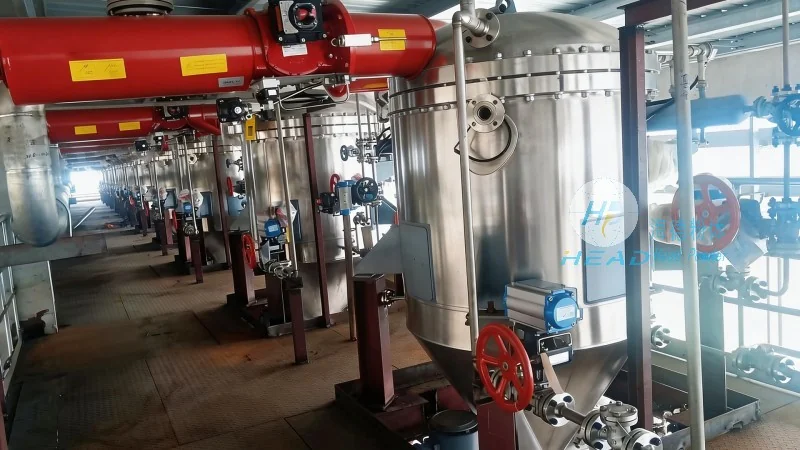
About Shandong HeadPowder Engineering Co., Ltd.
Shandong HeadPowder Engineering Co., Ltd., commonly known as headpowder, is a prominent manufacturer specializing in pneumatic conveying equipment for battery materials. The company is headquartered in Shandong, China, and has established itself as a leader in providing high-quality, reliable equipment tailored to the specific needs of the battery industry. HeadPowder's team of engineers and technicians leverages advanced design and manufacturing techniques to develop innovative solutions that enhance material handling efficiency and product quality. The company's products are manufactured using premium materials, such as stainless steel and corrosion-resistant alloys, ensuring durability and long service life. HeadPowder adheres to international quality standards, including ISO certifications, and conducts rigorous testing to ensure that each piece of equipment meets the highest performance criteria. The company's commitment to customer satisfaction is reflected in its comprehensive after-sales support, including installation, maintenance, and technical assistance. HeadPowder's pneumatic conveying equipment has been widely adopted by leading battery manufacturers worldwide, contributing to their operational excellence and business success.