

Introduction to Coal Ash Particle Pneumatic Conveying Equipment: Structure and Working Principle
Coal ash, a byproduct of coal combustion, is widely utilized across various industrial sectors including cement manufacturing, construction material production, and soil stabilization. The efficient and reliable transportation of coal ash particles is critical for optimizing production workflows and minimizing operational expenses. Pneumatic conveying systems have become a preferred solution for handling coal ash due to their ability to transport bulk materials over extended distances with minimal maintenance requirements and reduced environmental impact.

Key Components and Structural Design of Pneumatic Conveying Equipment
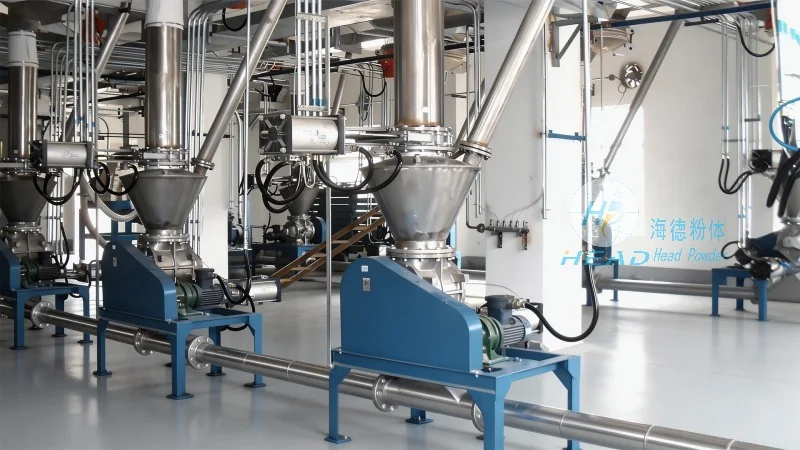
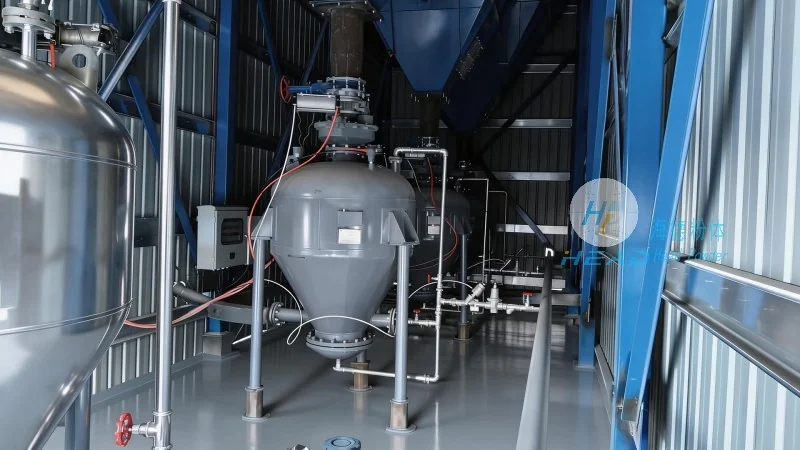
The coal ash particle pneumatic conveying equipment comprises several essential components that function in unison to facilitate smooth material transport. These primary components include the hopper, feeder, air compressor, conveying pipeline, and receiver. The hopper is engineered to store coal ash particles and feed them into the system at a controlled rate. The feeder, typically a rotary valve or screw feeder, regulates the flow of particles into the conveying pipeline. The air compressor generates the necessary air pressure to move the particles through the pipeline. The conveying pipeline, commonly constructed from stainless steel or durable plastic, is designed to withstand the pressure and abrasion from the coal ash particles. The receiver collects the transported coal ash particles and discharges them into the subsequent processing stage.
Working Principle of the Pneumatic Conveying System
The operation of the coal ash particle pneumatic conveying system is based on the principle of air flow and particle suspension. When the air compressor initiates operation, it generates a high-pressure air stream that flows through the conveying pipeline. The feeder then introduces the coal ash particles into the pipeline, where the air flow lifts and carries the particles along the pipeline. The particles are suspended in the air stream and transported to the receiver. The speed of the air flow and the particle size determine the conveying capacity and the maximum distance. The system can operate in both positive and negative pressure modes, depending on the specific application requirements.
Advantages of Employing Pneumatic Conveying for Coal Ash Transport
Pneumatic conveying equipment offers several advantages over traditional transport methods such as belt conveyors or bucket elevators. Firstly, it provides a dust-free and clean transport process, which is vital for maintaining a safe and healthy working environment. Secondly, the system is flexible and can be easily integrated into existing production lines. Thirdly, it reduces the need for manual handling and associated handling equipment, thereby enhancing operational efficiency and reducing labor costs. Additionally, the equipment is compact and can be installed in limited spaces, making it suitable for various industrial settings.