

Introduction to Zircon Sand Pneumatic Conveying Equipment: Structure and Working Principles
Zircon sand, a critical raw material in various industries such as ceramics, refractories, and chemical processing, requires efficient and reliable transportation systems to maintain product quality and operational efficiency. Pneumatic conveying equipment offers a solution by utilizing air to transport zircon sand particles through a pipeline system. This technology is particularly advantageous for handling fine and abrasive materials like zircon sand, as it minimizes material degradation and reduces the need for mechanical components that could cause wear and tear.
Key Components of the Pneumatic Conveying System
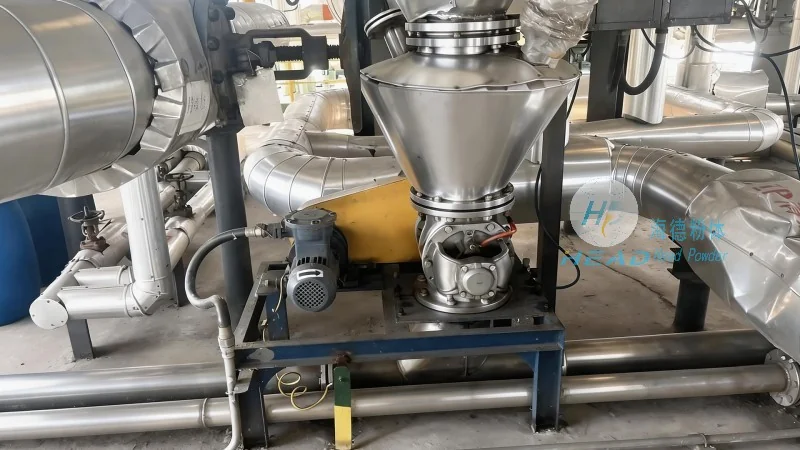
The zircon sand pneumatic conveying equipment typically consists of several essential components that work in tandem to ensure smooth material transport. The main components include the hopper, feeder, air compressor, conveying pipeline, and receiver. Each component plays a crucial role in the overall operation of the system.
The hopper is the initial storage unit where zircon sand is loaded. It is designed with a conical or rectangular shape to facilitate uniform material flow. The feeder, often a rotary valve or a screw feeder, regulates the discharge rate of zircon sand from the hopper, ensuring a consistent feed to the conveying system. The air compressor generates the necessary pressure and volume of air to move the zircon sand particles through the pipeline. The conveying pipeline, usually made of stainless steel or other corrosion-resistant materials, is designed to withstand the abrasive nature of zircon sand and maintain air pressure. The receiver is the final storage container where the conveyed zircon sand is deposited, completing the transport process.
Working Principle of the Pneumatic Conveying Process
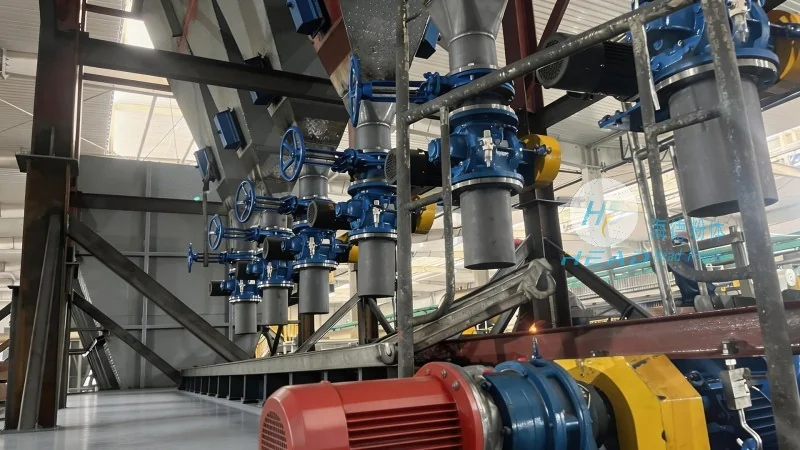
The operation of the zircon sand pneumatic conveying system follows a systematic process. Initially, the air compressor supplies compressed air into the conveying pipeline. Simultaneously, the feeder releases zircon sand from the hopper into the pipeline. The compressed air then entrains the zircon sand particles, creating a slurry-like mixture that travels through the pipeline under pressure. As the mixture moves, the air and sand separate at the receiver, where the air is typically vented to the atmosphere, and the zircon sand is collected in the receiver. This process allows for continuous and automated transport of zircon sand without the need for manual handling or mechanical conveyors.
Advantages of Using Pneumatic Conveying for Zircon Sand
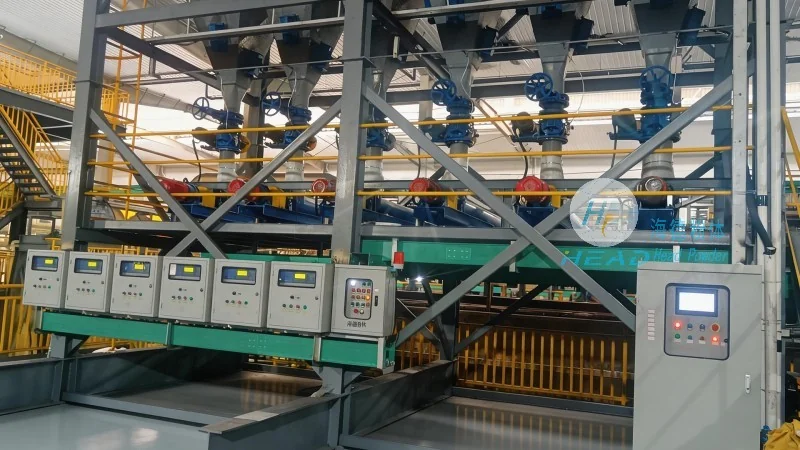
Implementing pneumatic conveying equipment for zircon sand offers several advantages over traditional mechanical conveying methods. Firstly, it reduces material handling costs by eliminating the need for multiple transfer points and equipment. Secondly, it minimizes product contamination and degradation, as the enclosed system prevents exposure to external elements and reduces friction between particles. Thirdly, the system is highly flexible, allowing for changes in transport distance and flow rates without significant modifications. Additionally, pneumatic conveying can handle zircon sand with high moisture content or fine particle sizes, which are challenging for other conveying methods. The system also provides better safety by containing dust and preventing dust explosions, which is crucial for handling abrasive and potentially hazardous materials like zircon sand.
Applications and Industries Utilizing Zircon Sand Pneumatic Conveying
Zircon sand pneumatic conveying equipment is widely used across various industries that rely on zircon sand as a key component. In the ceramics industry, zircon sand is used to produce high-quality ceramic products, and the pneumatic conveying system ensures consistent material supply to the production lines. In the refractory industry, zircon sand is used to manufacture refractory bricks and linings, where the system maintains the quality of the raw material during transport. The chemical processing industry also utilizes zircon sand in the production of zirconium compounds, and the pneumatic conveying system ensures efficient and safe material handling. Additionally, in the foundry industry, zircon sand is used as a refractory material in casting processes, and the system provides reliable transport to the casting facilities.