

Introduction to Pneumatic Conveying Equipment for Pigments and Its Structural Principles
Shandong HeadPowder Engineering Co., Ltd., commonly known as headpowder, is a leading manufacturer specializing in the design, development, and supply of industrial equipment for the pigment industry. With a strong presence in China, particularly in Shandong province, the company has established itself as a trusted partner for businesses seeking reliable and efficient solutions for material handling and processing. The company’s headquarters and operational base are located in Shandong, China, where it leverages local expertise and resources to deliver high-quality products tailored to the specific needs of the pigment sector.
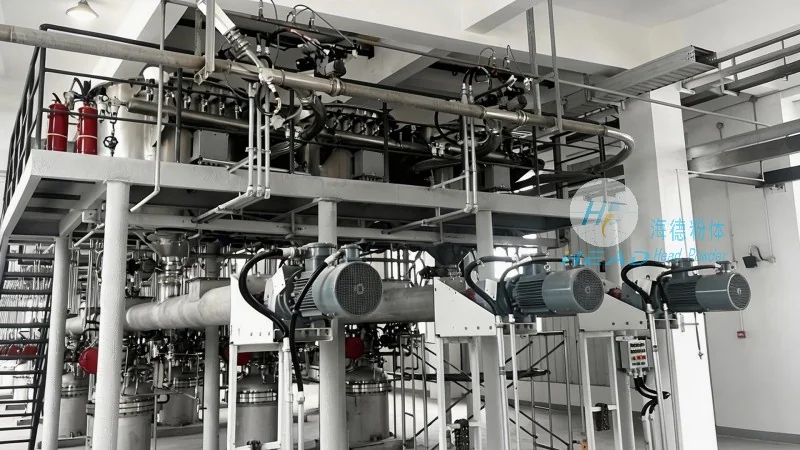
Overview of Pneumatic Conveying Equipment for Pigments
Pneumatic conveying equipment is a critical component in the modern pigment production and processing chain. These systems are designed to transport dry powders, such as pigments, from one location to another using air or other gases as the conveying medium. Unlike traditional mechanical conveyors, pneumatic systems offer several advantages, including the ability to handle fine and abrasive powders without causing damage or contamination. The equipment is widely used in various stages of pigment manufacturing, from raw material handling to final product packaging, ensuring a seamless and efficient workflow.
Structural Principles of Pneumatic Conveying Systems
The core structural principles of pneumatic conveying systems for pigments revolve around the interaction between the solid particles (pigments) and the gas stream. There are two primary types of pneumatic conveying systems: positive pressure and negative pressure (or vacuum) systems. Positive pressure systems use a blower or compressor to generate air pressure, which pushes the material through the pipeline. Negative pressure systems, on the other hand, use a vacuum to draw the material into the system. The choice between these systems depends on factors such as the distance to be covered, the volume of material to be conveyed, and the specific characteristics of the pigment being handled.
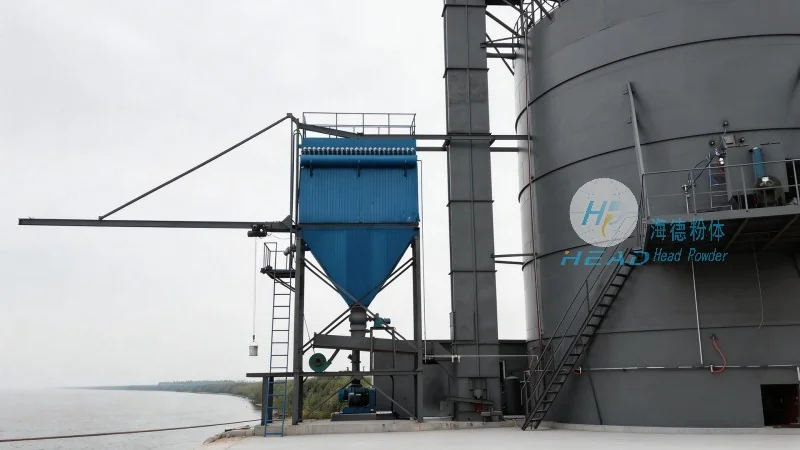
Key components of a typical pneumatic conveying system include the hopper or feed hopper, which holds the pigment and controls the flow rate; the conveying line, which is made of materials resistant to abrasion and corrosion (such as stainless steel or special polymers); the airlock or rotary valve, which regulates the flow of material into the pipeline; and the receiver or discharge hopper, where the material is collected at the destination. The system also includes a filter or separator to remove any fine particles from the exhaust air, ensuring compliance with environmental regulations and maintaining air quality.
Applications in the Pigment Industry
Pneumatic conveying equipment is extensively used in the pigment industry for a variety of applications. In raw material handling, these systems efficiently transport raw pigments from storage silos or bulk containers to processing lines. During the manufacturing process, they are used to move pigments between different processing stages, such as grinding, mixing, and color matching. In the final stages, pneumatic conveyors help in transferring finished pigments to packaging units or storage tanks. The flexibility of pneumatic systems allows them to adapt to different production volumes and operational requirements, making them an indispensable part of modern pigment production facilities.
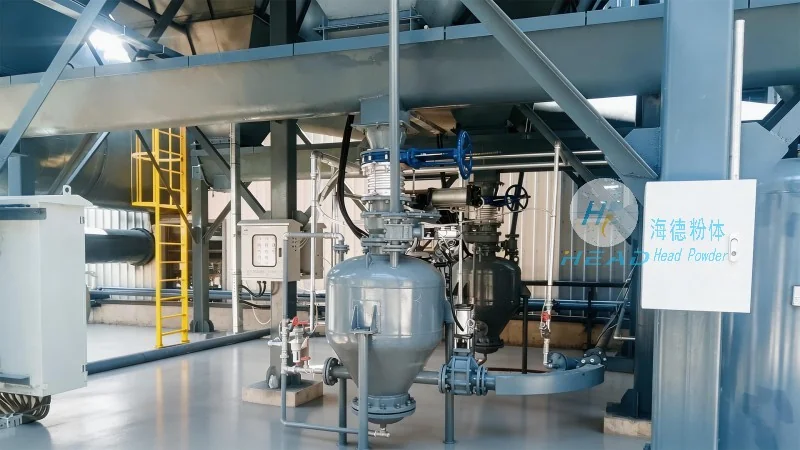
Advantages of Pneumatic Conveying for Pigments
One of the most significant advantages of pneumatic conveying equipment for pigments is its efficiency in handling fine and delicate powders. Unlike mechanical conveyors, which can cause particle attrition or agglomeration, pneumatic systems maintain the integrity of the pigment particles, ensuring consistent quality and color. Additionally, pneumatic conveyors offer a clean and hygienic operation, as they minimize dust exposure and prevent cross-contamination between different pigment batches. This is particularly important in industries where product purity and safety are paramount. Another advantage is the ability to transport materials over long distances with minimal energy consumption compared to other methods. The systems are also relatively compact and can be easily integrated into existing production lines, reducing the need for extensive modifications to the facility.
Our Solutions and Commitment
At Shandong HeadPowder Engineering Co., Ltd., we understand the unique challenges faced by the pigment industry in terms of material handling and processing. Our team of engineers and technicians works closely with clients to design and implement customized pneumatic conveying solutions that meet their specific requirements. By leveraging advanced technology and materials, we ensure that our equipment is durable, reliable, and efficient, providing long-term value to our customers. With our headquarters in Shandong, China, we are well-positioned to serve clients both domestically and internationally, offering timely support and maintenance services. Our commitment to quality and customer satisfaction has made us a preferred choice for businesses seeking dependable and high-performance pneumatic conveying equipment for pigments.