

Introduction to the Pneumatic Conveying System for Glucose Powder and Its Structural Principles
Glucose powder, as a vital raw material in the food, pharmaceutical, and chemical industries, requires efficient and reliable handling methods to ensure product quality and operational safety. The pneumatic conveying system has emerged as a preferred solution for transporting glucose powder due to its ability to minimize dust, reduce contamination risks, and enhance process automation. This article provides an overview of the glucose powder pneumatic conveying system, detailing its structural components, operational principles, and the engineering expertise behind its design and implementation.
Key Components of the Glucose Powder Pneumatic Conveying System
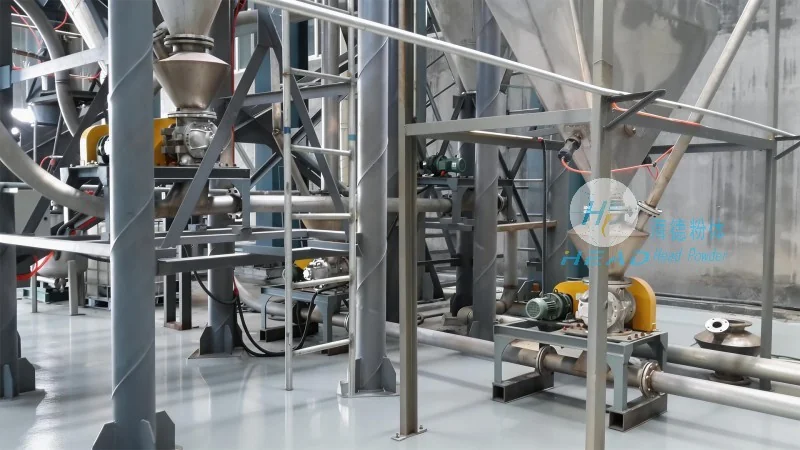
The glucose powder pneumatic conveying system consists of several critical components that work in synergy to achieve effective material transport. The primary components include the hopper, which serves as the storage and feeding unit, ensuring a consistent flow of powder into the system. The feeder, typically a rotary valve or a screw feeder, regulates the discharge rate of the glucose powder, maintaining a stable pressure and flow within the conveying line. The conveying line itself, often made of stainless steel or other corrosion-resistant materials, is designed to withstand the abrasive nature of glucose powder and prevent material buildup or blockages. Additionally, the system incorporates a dust collector or filter to capture any airborne particles, ensuring compliance with environmental regulations and maintaining a clean working environment. The control panel, equipped with sensors and monitoring devices, allows operators to adjust parameters such as air pressure, flow rate, and feeding speed in real-time, optimizing the conveying process and minimizing downtime.
Structural Principles and Operational Mechanisms
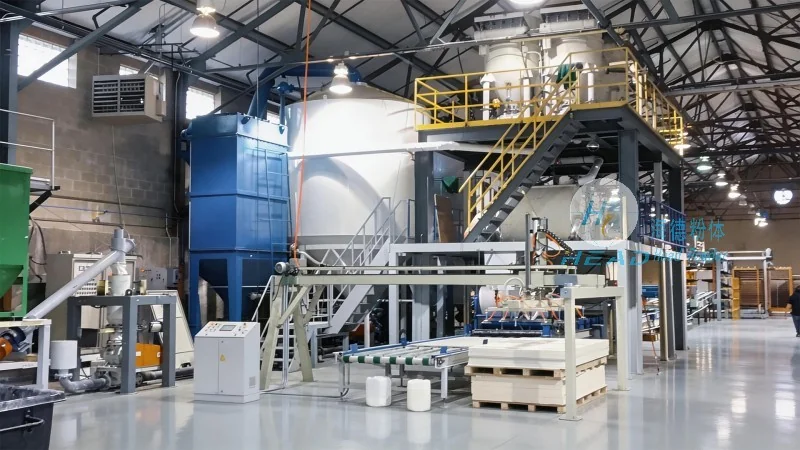
The structural principles of the glucose powder pneumatic conveying system are based on the fundamental physics of fluidization and particle transport. The system operates by introducing air or other gas into the conveying line at a controlled pressure, creating a fluidized bed of glucose powder. This fluidization process reduces the friction between particles and the conveying line, enabling smooth and continuous movement of the material. The air velocity is carefully regulated to ensure that the powder particles remain suspended within the conveying line without settling or causing blockages. The system can be classified into two main types: dilute phase and dense phase conveying. Dilute phase systems use higher air velocities to transport the powder in a suspended state, suitable for long-distance and high-speed applications. Dense phase systems, on the other hand, operate at lower air velocities, allowing the powder to move in a more compact form, which is ideal for handling sensitive or abrasive materials like glucose powder. The selection of the appropriate conveying type depends on factors such as the material characteristics, distance to be covered, and required flow rate.
Engineering Solutions by Shandong HeadPowder Engineering Co., Ltd.
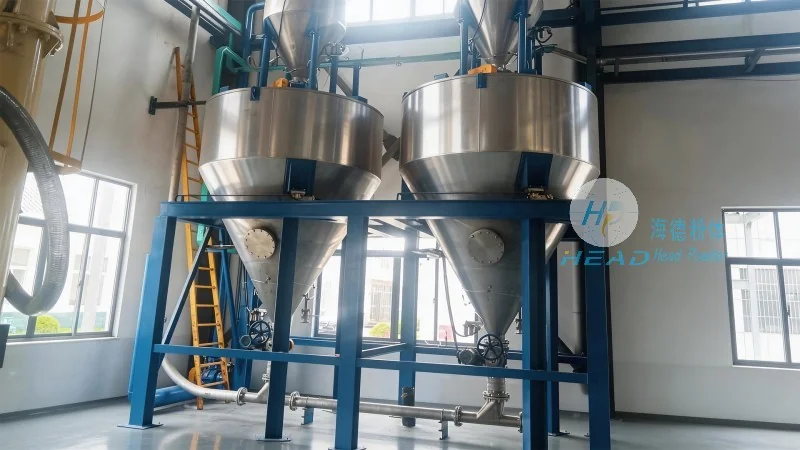
Shandong HeadPowder Engineering Co., Ltd., a leading provider of specialized engineering solutions, specializes in designing and manufacturing customized pneumatic conveying systems tailored to the unique needs of glucose powder handling applications. With years of experience in the industry, the company has developed a deep understanding of the challenges associated with transporting fine powders, such as glucose, and has implemented advanced technologies to address these challenges effectively. The company’s engineering team leverages state-of-the-art design software and rigorous testing protocols to ensure that each system meets the highest standards of performance, reliability, and safety. The company’s commitment to quality is evident in its adherence to international standards and its focus on customer satisfaction. By partnering with Shandong HeadPowder Engineering Co., Ltd., clients can benefit from tailored solutions that enhance operational efficiency, reduce maintenance costs, and improve overall productivity in their glucose powder handling processes.

Benefits of Implementing a Glucose Powder Pneumatic Conveying System
The implementation of a glucose powder pneumatic conveying system offers numerous benefits to industries dealing with glucose powder. Firstly, it significantly reduces the risk of dust contamination, which is crucial in industries such as pharmaceuticals and food processing where product purity is paramount. The enclosed system design prevents the release of airborne particles, ensuring compliance with regulatory requirements and maintaining a clean working environment. Secondly, the system enhances operational efficiency by automating the material handling process, reducing the need for manual intervention and minimizing labor costs. The ability to adjust flow rates and pressure in real-time allows for precise control over the conveying process, ensuring consistent product quality and reducing waste. Thirdly, the system improves safety by eliminating the need for manual handling of bulk powders, which can be hazardous due to the risk of dust explosions or respiratory issues. The enclosed design and controlled air flow also minimize the risk of accidents and injuries in the workplace. Finally, the system offers long-term cost savings by reducing maintenance requirements and extending the lifespan of equipment through proper material handling and reduced wear and tear.