

Operation Process and Working Principle of a Sodium Hydroxide Powder Material Pneumatic Conveying Ma
For industrial applications involving sodium hydroxide (NaOH) powder, efficient and reliable material handling is crucial. A pneumatic conveying machine is a specialized system designed to transport bulk powders like sodium hydroxide through a pipeline using air or other gas as the conveying medium. This technology offers several advantages over traditional methods, such as reduced dust generation, improved safety, and the ability to handle materials in a closed system. The following sections will explore the operation process and working principle of a sodium hydroxide powder material pneumatic conveying machine, highlighting key components and the step-by-step workflow.
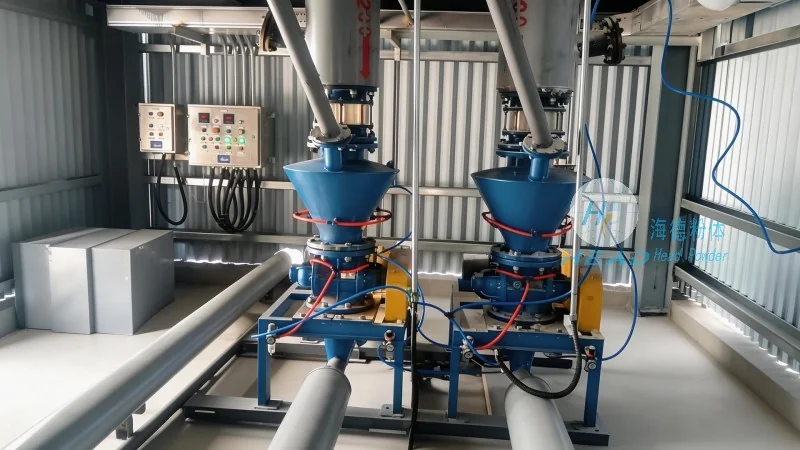
Key Components of the Pneumatic Conveying System
The pneumatic conveying system for sodium hydroxide powder typically consists of several essential components that work in tandem to ensure smooth material transport. These components include a hopper for material storage, a feeder to control the flow rate, a conveying line (pipeline) where the material is transported, a venturi or air lock mechanism for material discharge, and a dust collector or filter to manage air emissions. Each component plays a critical role in maintaining the efficiency and safety of the system.
Working Principle of the Pneumatic Conveying Machine
The operation of a sodium hydroxide powder pneumatic conveying machine is based on the principle of creating a pressure differential within the conveying line. The process begins with the material being fed from the hopper into the conveying line. Simultaneously, a fan or blower generates a flow of air through the system, creating a negative pressure (or positive pressure, depending on the system design) in the pipeline. As the air flows, it draws the sodium hydroxide powder particles into the conveying line, forming a dense phase or dilute phase flow. The dense phase conveying is often preferred for sodium hydroxide due to its ability to handle abrasive materials and minimize particle degradation.
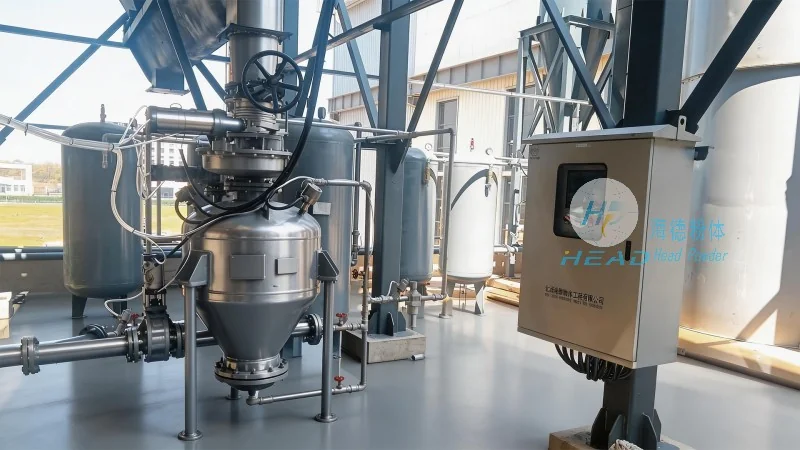
Step-by-Step Operation Process
The operation process of the pneumatic conveying machine for sodium hydroxide powder can be broken down into several sequential steps. First, the sodium hydroxide powder is stored in the hopper, which is equipped with a level indicator to monitor the material inventory. Next, the feeder, which may be a rotary valve or a screw feeder, regulates the flow rate of the powder into the conveying line. The feeder ensures a consistent feed rate, preventing overloading or underloading of the system. As the powder enters the conveying line, the fan or blower starts operating, creating the necessary air flow. The air flow then carries the powder particles through the pipeline to the discharge point, which is typically a venturi or air lock where the material is deposited into a receiving container. After the material is discharged, the system may undergo a cleaning cycle to remove any residual powder from the pipeline and prevent clogging.
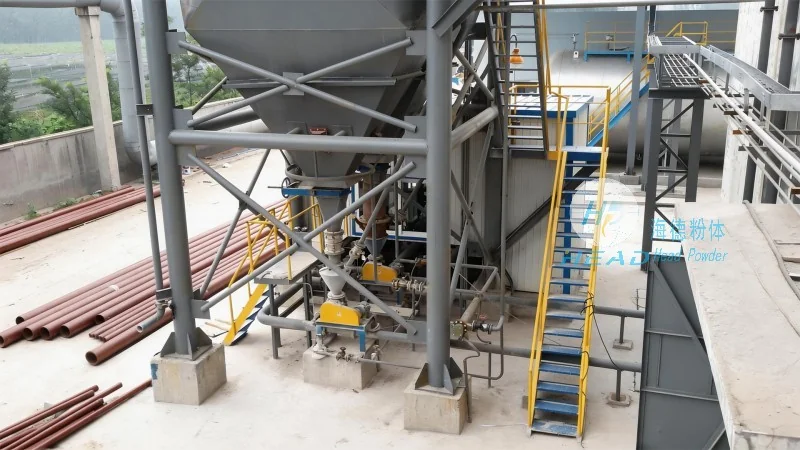
Advantages of Using a Pneumatic Conveying Machine for Sodium Hydroxide
Implementing a pneumatic conveying system for sodium hydroxide powder offers numerous benefits that enhance operational efficiency and safety. One of the primary advantages is the reduction of dust exposure, as the material is transported in a closed system, minimizing the risk of inhalation by operators. Additionally, the system allows for precise control over the material flow rate, ensuring consistent product quality and preventing material waste. The closed pipeline design also reduces the risk of contamination from external sources, which is critical for sodium hydroxide, a chemical widely used in various industrial processes. Furthermore, pneumatic conveying systems are relatively compact and can be integrated into existing production lines, making them a flexible solution for material handling needs.
Maintenance and Safety Considerations
To ensure the long-term performance and safety of the pneumatic conveying machine, regular maintenance is essential. This includes inspecting the hopper and feeder for wear and tear, checking the fan or blower for proper operation, and cleaning the dust collector or filter to maintain air quality. Safety considerations are paramount when handling sodium hydroxide, a caustic substance. The system should be equipped with appropriate safety features, such as pressure relief valves and emergency shut-off mechanisms, to prevent accidents. Additionally, operators should be trained on the proper use of the equipment and the handling of sodium hydroxide to minimize the risk of injury or environmental contamination.