

Operation Process and Working Principle of Pneumatic Conveying Equipment for Wood Fiber Materials
HeadPowder, a leading manufacturer based in Shandong, China, specializes in the design and production of advanced pneumatic conveying systems tailored for wood fiber materials. This article provides a detailed overview of the operation process and working principles of such equipment, highlighting the technical aspects and practical applications that make these systems efficient and reliable for various industrial needs.
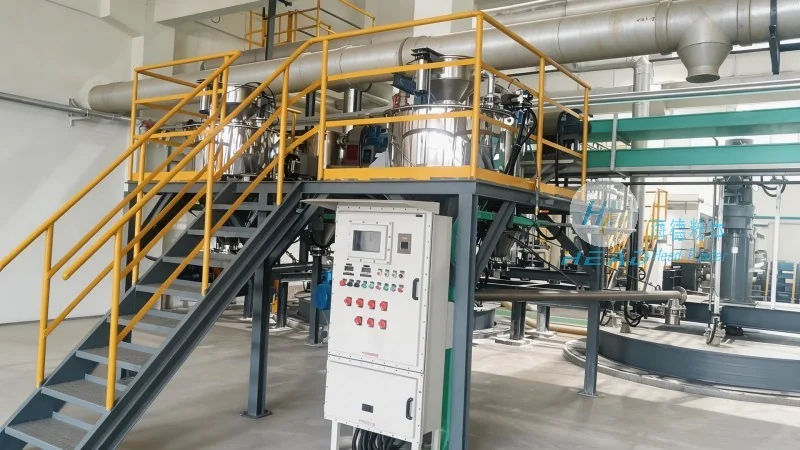
Overview of Pneumatic Conveying Equipment for Wood Fiber Materials
Pneumatic conveying systems are essential in industries dealing with wood fiber materials, such as paper manufacturing, biomass processing, and woodworking. These systems utilize air pressure to transport bulk materials like wood chips, sawdust, and other fibrous substances from one location to another. The equipment from Shandong HeadPowder Engineering Co., Ltd. is engineered to handle the unique characteristics of wood fiber materials, ensuring minimal material degradation and high efficiency in material transport.
Key Components and Their Functions
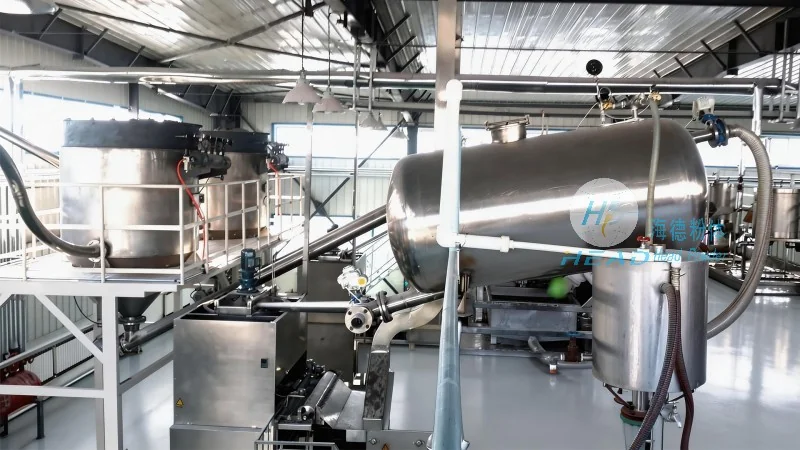
The pneumatic conveying system for wood fiber materials typically consists of several key components, each playing a crucial role in the overall operation. These components include the hopper for material storage, the air compressor or blower that generates the necessary air pressure, the conveyor line (either a pipeline or a duct), and the discharge device at the receiving end. Additionally, control systems and safety features are integrated to ensure smooth and safe operation.
The Operation Process: Step-by-Step
The operation of the wood fiber pneumatic conveying equipment follows a systematic process. First, the wood fiber material is fed into the hopper from a storage silo or a processing unit. The material is then released into the conveyor line under the influence of the air pressure generated by the blower. As the air flows through the pipeline, it carries the wood fibers along, transporting them to the destination point. At the receiving end, the material is discharged through a valve or a hopper, completing the transport cycle. The entire process is controlled by a central system that monitors air pressure, material flow, and system performance, ensuring optimal operation.
Working Principle: How It Works
The working principle of the pneumatic conveying system relies on the fundamental concept of air movement and material suspension. The blower creates a high-pressure air stream that enters the conveyor line. As the air flows, it creates a negative pressure or a positive pressure gradient, depending on the system design (e.g., pressure or vacuum systems). The wood fiber particles are entrained by the air stream and carried through the pipeline. The velocity of the air and the size of the particles determine the efficiency of the conveying process. The system is designed to maintain a consistent air flow and particle suspension, minimizing the risk of material buildup or blockages in the pipeline.
Advantages of Using Pneumatic Conveying for Wood Fiber Materials
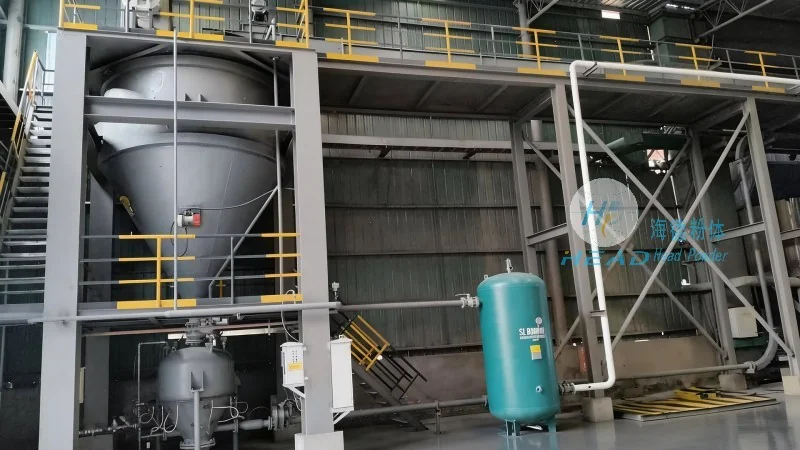
Employing pneumatic conveying equipment for wood fiber materials offers several advantages over traditional methods like belt conveyors or manual handling. These include reduced material handling time, improved safety by eliminating manual transport, and lower risk of contamination or degradation of the wood fibers. The systems are also flexible in terms of layout, allowing for horizontal, vertical, or inclined transport paths. Furthermore, the equipment from Shandong HeadPowder Engineering Co., Ltd. is designed for low maintenance and long service life, providing cost-effective solutions for industrial applications.
Applications and Industries
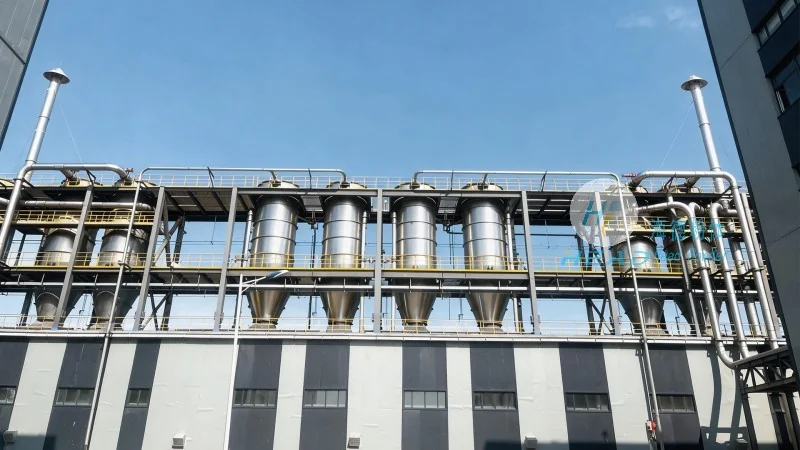
The pneumatic conveying systems for wood fiber materials are widely used in various industries. In the paper industry, they are used to transport raw wood chips to the pulping process. In biomass energy production, they convey wood pellets or sawdust to the combustion or gasification units. In woodworking and furniture manufacturing, they transport sawdust and shavings for recycling or further processing. The versatility of these systems makes them suitable for a wide range of applications where efficient and reliable material transport is critical.
Conclusion
Shandong HeadPowder Engineering Co., Ltd. provides high-quality pneumatic conveying equipment for wood fiber materials, combining advanced technology with practical design. The operation process and working principles of these systems ensure efficient material transport while maintaining the integrity of the wood fibers. By understanding the key components, operation steps, and advantages of such equipment, industries can make informed decisions to enhance their material handling processes and improve overall productivity.