

Operation Process and Working Principle of a Calcium Fluoride Material Pneumatic Conveyor
HeadPowder, a leading engineering firm based in Shandong, China, specializes in the design and manufacturing of advanced material handling equipment. This article provides a detailed overview of the operation process and working principle of a pneumatic conveyor system specifically designed for calcium fluoride material transport.
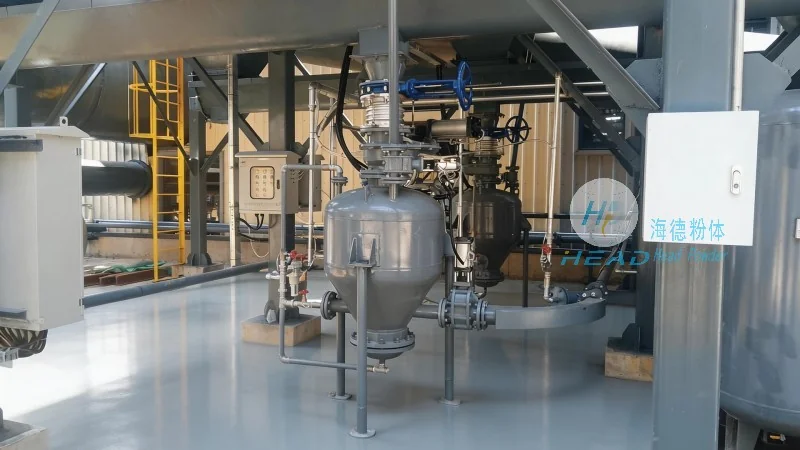
Overview of the Pneumatic Conveyor System
The pneumatic conveyor for calcium fluoride is a sophisticated system engineered to efficiently transport bulk materials through an enclosed pipeline using air as the conveying medium. This method offers several advantages over traditional mechanical conveying systems, including reduced maintenance, lower energy consumption, and the ability to handle materials that are abrasive or have a tendency to generate dust.
Key Components and Their Functions
The system comprises several critical components, each playing a vital role in the overall operation. The main components include the material hopper, the air compressor, the conveying pipeline, the airlock or rotary valve, and the dust collection system. The material hopper serves as the storage and feeding unit, where calcium fluoride is loaded and prepared for transport. The air compressor generates the necessary air pressure to drive the material through the pipeline. The conveying pipeline, typically made of durable materials like stainless steel or special alloys, ensures the material is moved from the hopper to the discharge point. The airlock or rotary valve acts as a control mechanism, regulating the flow of material and preventing backflow. Finally, the dust collection system is integrated to capture any airborne particles, ensuring environmental compliance and operational safety.
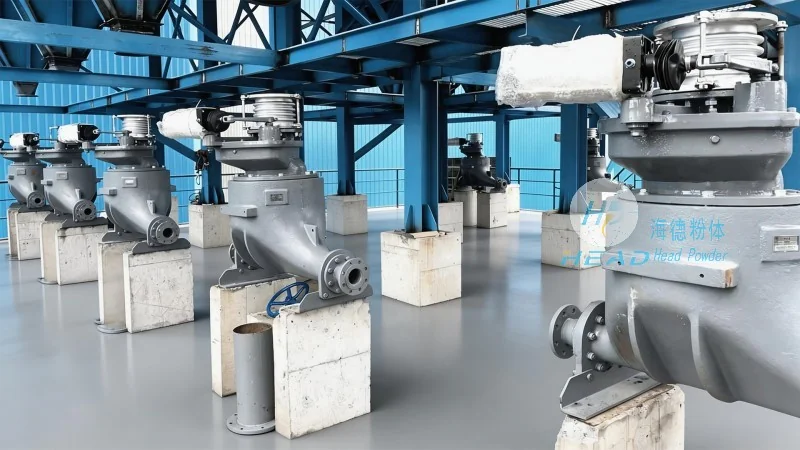
Operation Process of the Pneumatic Conveyor
The operation of the calcium fluoride pneumatic conveyor follows a systematic sequence. Initially, the material is fed into the hopper from a storage silo or batch container. The air compressor then starts, generating a flow of compressed air that creates a pressure differential within the pipeline. As the air moves through the pipeline, it draws the calcium fluoride material from the hopper and transports it to the discharge point. The airlock or rotary valve at the discharge end controls the release of material, ensuring a steady and controlled flow. The dust collection system continuously operates, capturing any fine particles that may be carried along with the material, thus maintaining air quality and preventing contamination.
Working Principle: Air-Driven Conveying Mechanism
The core working principle of the pneumatic conveyor is based on the Bernoulli principle and the concept of air pressure. When the air compressor supplies compressed air into the pipeline, it creates a high-pressure zone. As the air flows through the pipeline, it creates a low-pressure zone downstream, which draws the calcium fluoride material into the pipeline due to the pressure differential. The material is then carried along by the moving air stream, maintaining a suspension that allows for efficient transport. The speed and pressure of the air are carefully controlled to ensure that the material is conveyed without causing excessive wear on the pipeline or damage to the material itself. This air-driven mechanism is highly effective for calcium fluoride, which is a fine, abrasive powder that requires gentle handling to prevent degradation or clogging of the system.
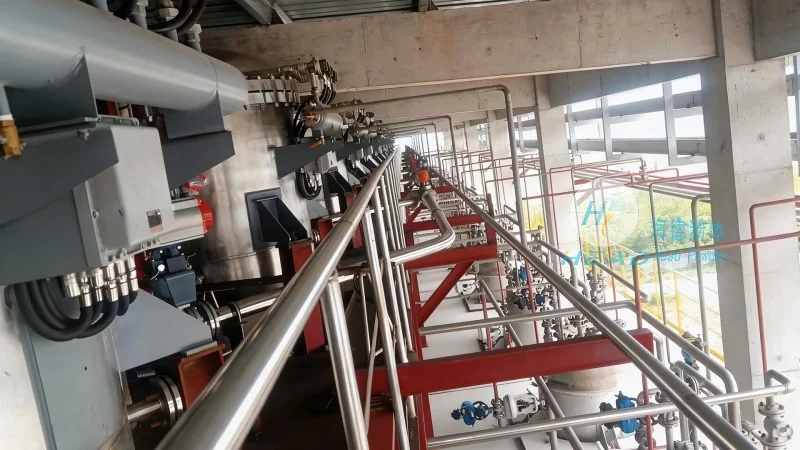
Advantages and Applications
The pneumatic conveyor system for calcium fluoride offers numerous benefits in industrial applications. It provides a clean and dust-free conveying method, which is crucial for maintaining product quality and adhering to environmental regulations. The system is also highly flexible, allowing for changes in material flow rates and discharge locations without significant modifications. Additionally, it reduces the risk of material contamination and minimizes the need for manual handling, enhancing workplace safety. These advantages make the pneumatic conveyor an ideal solution for various industrial processes, including material processing, packaging, and distribution in facilities that handle calcium fluoride.
Conclusion
In conclusion, the pneumatic conveyor system for calcium fluoride material is a highly efficient and reliable solution for bulk material transport. Through its advanced design and air-driven operation, it effectively handles the unique characteristics of calcium fluoride, ensuring smooth and continuous operation. HeadPowder's expertise in engineering and manufacturing ensures that this system meets the highest standards of performance and durability, making it a trusted choice for industries requiring reliable material handling solutions.