

Operation Process and Working Principle of Bicarbonate of Soda Material Pneumatic Conveying Machine
HeadPowder, a leading manufacturer based in Shandong, China, specializes in the design and production of advanced pneumatic conveying systems tailored for various industrial applications. Among their product portfolio is the bicarbonate of soda material pneumatic conveying machine, a critical piece of equipment for efficiently handling and transporting sodium bicarbonate in industrial settings. This article delves into the operational process and underlying working principles of such a machine, providing a comprehensive understanding of its functionality and benefits.
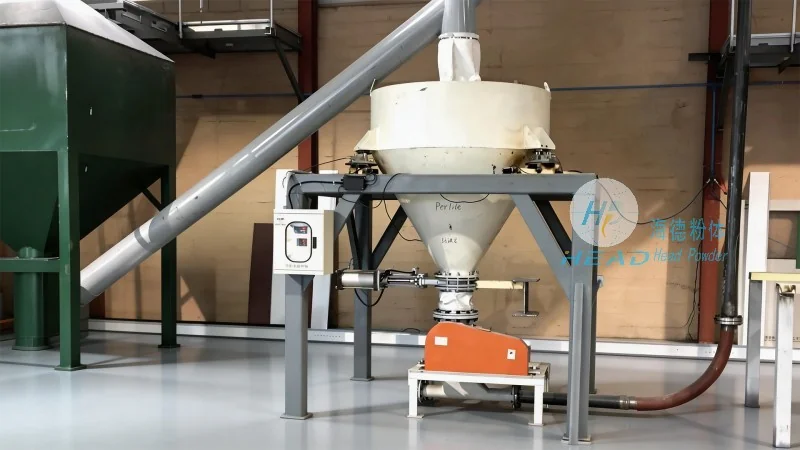
Overview of Bicarbonate of Soda Material Pneumatic Conveying Machine
The bicarbonate of soda material pneumatic conveying machine is engineered to transport sodium bicarbonate—a common chemical used in food, pharmaceutical, and industrial processes—through a pneumatic system. Unlike traditional mechanical conveyors, this equipment utilizes compressed air or gas to move the material, offering advantages such as reduced contamination, lower maintenance costs, and the ability to handle fine powders without clogging. The machine is typically composed of several key components, including a hopper for material storage, a feeder to control the flow rate, a conveying line, and a receiver for the discharged material. Each component plays a vital role in ensuring the smooth and efficient operation of the system.
Working Principle of the Pneumatic Conveying System
The core working principle of the bicarbonate of soda material pneumatic conveying machine revolves around the use of air pressure to move the material. When the system is activated, compressed air is introduced into the conveying line, creating a pressure differential that propels the sodium bicarbonate particles. The material is fed from the hopper into the conveying line through a controlled feeder, which ensures a consistent flow rate. As the air flows through the line, it carries the material particles along, transporting them from the source to the destination. The receiver at the end of the line collects the material, and the air is then filtered and recycled back into the system, minimizing waste and energy consumption.
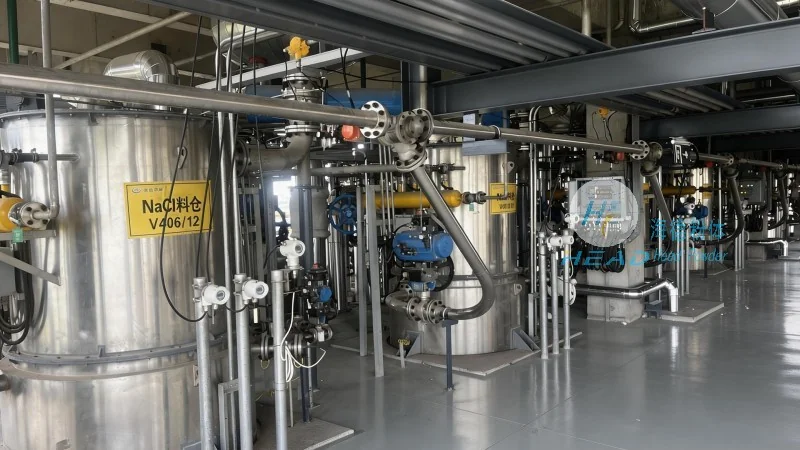
Step-by-Step Operational Process
The operation of the bicarbonate of soda material pneumatic conveying machine follows a systematic process that ensures optimal performance and material handling. The following steps outline the typical workflow:
- Material Loading: Sodium bicarbonate is loaded into the hopper from a bulk storage container or a production line. The hopper is designed to accommodate large volumes of material, ensuring a steady supply for the conveying process.
- Feeder Activation: The feeder, often a rotary valve or a screw feeder, is activated to control the flow rate of the material from the hopper into the conveying line. This step is crucial for maintaining a consistent material flow and preventing overloading or underloading of the system.
- Air Compression and Introduction: Compressed air is supplied to the conveying line from an air compressor. The air pressure is carefully regulated to match the material's characteristics and the required conveying distance. The air is introduced at the inlet of the conveying line, creating a positive pressure that drives the material forward.
- Material Conveying: As the compressed air flows through the line, it entrains the sodium bicarbonate particles, forming a dense phase or dilute phase flow depending on the system design. The material is transported through the pipeline, overcoming gravitational and frictional forces. The conveying line may include bends, valves, and filters to ensure smooth movement and prevent blockages.
- Material Discharge: At the receiving end of the line, the material is deposited into a designated container or processing unit. The air, now mixed with fine particles, passes through a filter system to separate the material from the air. The cleaned air is then recycled back to the compressor, while the collected material is transferred to the next stage of the production process.
- System Monitoring and Control: Throughout the operation, the system is monitored for pressure, flow rate, and material level. Automated controls adjust the feeder speed and air pressure as needed to maintain optimal performance. This ensures that the conveying process remains efficient and consistent, minimizing downtime and maximizing productivity.
Key Advantages and Applications
The bicarbonate of soda material pneumatic conveying machine offers several advantages over traditional conveying methods, making it an ideal choice for industries dealing with sodium bicarbonate. These advantages include:
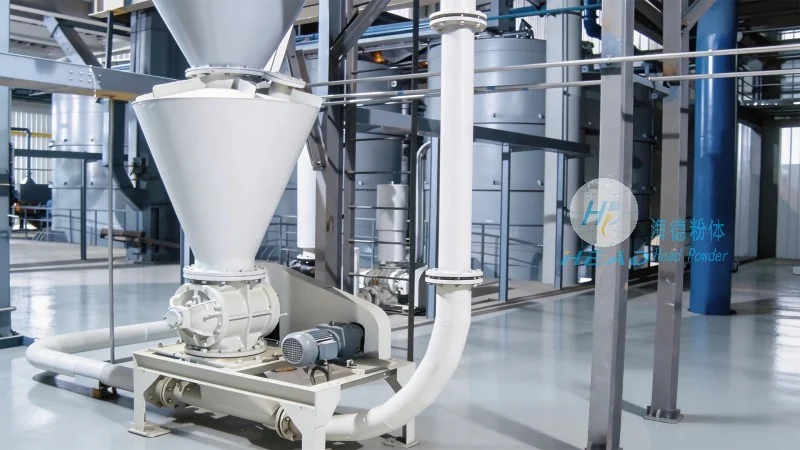
- Hygienic and Contamination-Free: The enclosed pneumatic system prevents contamination from external sources, ensuring that the material remains clean and suitable for food and pharmaceutical applications.
- Low Maintenance: With fewer moving parts compared to mechanical conveyors, the pneumatic system requires less maintenance, reducing operational costs and downtime.
- Flexible and Scalable: The system can be easily adjusted to handle varying material volumes and conveying distances, making it suitable for both small-scale and large-scale industrial operations.
- Energy Efficiency: By recycling the air and using controlled pressure, the system minimizes energy consumption, contributing to cost savings and environmental sustainability.
Applications of this machine include the food industry for baking and baking powder production, the pharmaceutical industry for drug formulation, and the chemical industry for processing sodium bicarbonate-based products. In each of these applications, the machine ensures reliable and efficient material transport, supporting the overall productivity and quality of the production process.
Conclusion
HeadPowder's bicarbonate of soda material pneumatic conveying machine exemplifies advanced engineering and industrial design, providing an efficient and reliable solution for handling sodium bicarbonate. By understanding the operational process and working principles, users can appreciate the benefits of this equipment in enhancing productivity, maintaining product quality, and reducing operational costs. As a trusted manufacturer based in Shandong, China, HeadPowder continues to innovate and provide tailored solutions to meet the diverse needs of the industrial sector.