

Operation Process and Working Principle of Mineral Granular Material Pneumatic Conveying Equipment
HeadPowder, a leading manufacturer based in Shandong, China, specializes in the design and production of advanced pneumatic conveying equipment tailored for mineral granular materials. This article delves into the operation process and working principle of such systems, providing a comprehensive understanding of how these machines efficiently transport bulk materials.

Working Principle of Pneumatic Conveying Machines
The core of a pneumatic conveying system lies in its ability to use air as the conveying medium. The system typically consists of a hopper, a blower or compressor, a pipeline network, and a discharge outlet. When the material is fed into the hopper, the blower generates a high-pressure air stream that draws the material into the pipeline. The air and material mixture travels through the pipeline to the discharge point, where the air is separated from the material, often using a cyclone or filter. This process allows for the continuous and dust-free transport of mineral granular materials over long distances.
Step-by-Step Operation Process
The operation of a mineral granular material pneumatic conveying machine involves several key steps. First, the raw material is loaded into the hopper. The hopper is equipped with a feeder that controls the flow rate of the material into the system. Next, the blower or compressor is activated, creating a pressure differential that initiates the conveying process. As the air flows through the pipeline, it entrains the material particles, forming a dense phase or dilute phase flow depending on the system design. The material is then transported to the destination, where it is discharged. The system may include additional components such as a filter to capture fine particles and a silencer to reduce noise from the blower.
Key Components and Their Functions
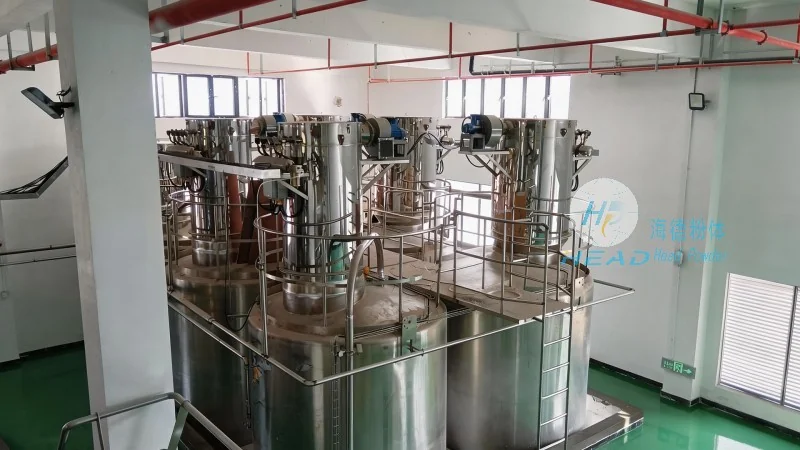
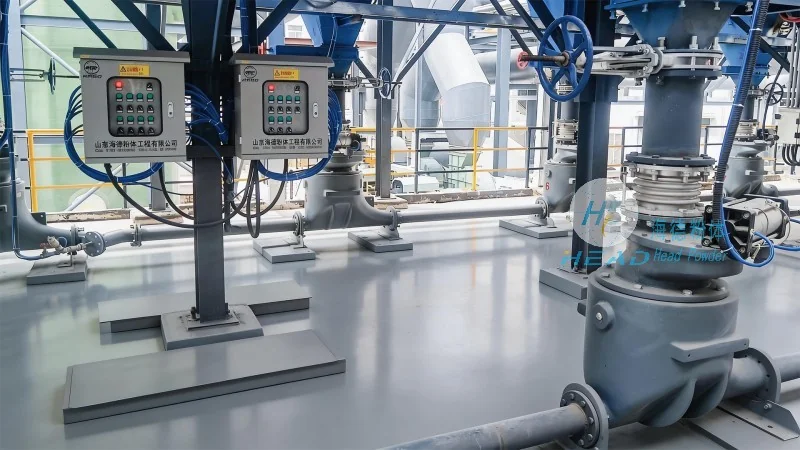
Several critical components contribute to the efficient operation of pneumatic conveying systems. The hopper serves as the storage and feeding unit, ensuring a consistent supply of material. The blower or compressor provides the necessary air pressure and volume to move the material. The pipeline network connects the hopper to the discharge point and may include bends, valves, and expansion joints to accommodate changes in direction and pressure. The discharge outlet, often equipped with a cyclone separator, separates the material from the air, allowing the material to be collected while the air is either recirculated or vented. These components work in harmony to ensure the smooth and reliable operation of the system.
Advantages of Pneumatic Conveying for Mineral Granular Materials
Pneumatic conveying offers several advantages over traditional mechanical conveying methods for mineral granular materials. It eliminates the need for moving parts in contact with the material, reducing wear and maintenance costs. The system is also capable of transporting materials over long distances without the need for intermediate storage or transfer points. Additionally, pneumatic conveying can handle a wide range of material types, including fine powders and abrasive particles, with minimal degradation. The process is dust-free, which improves safety and reduces environmental contamination. These benefits make pneumatic conveying an ideal solution for industries dealing with mineral granular materials.
Applications in the Mineral Industry
The application of pneumatic conveying systems is widespread in the mineral industry. They are commonly used in mining operations to transport ore from the mine to processing facilities. In mineral processing plants, these systems are used to move raw materials between grinding, crushing, and sorting stages. Additionally, in the cement and chemical industries, pneumatic conveying is used to transport raw materials and finished products. The versatility and efficiency of these systems make them indispensable in modern mineral processing operations.