

Operation Process and Working Principle of Phosphorus Pentachloride Material Pneumatic Conveying Lin
Phosphorus pentachloride (PCl₅) is a highly reactive and corrosive chemical compound widely used in industrial applications, such as the production of organic phosphorus compounds and flame retardants. The safe and efficient handling of PCl₅ is critical due to its hazardous nature. Pneumatic conveying systems offer a reliable solution for transporting PCl₅ from storage to processing units, ensuring minimal exposure to personnel and maintaining product integrity. This article provides an in-depth look at the operation process and working principle of a PCl₅ material pneumatic conveying line, highlighting key components, operational steps, and the advantages of this technology.
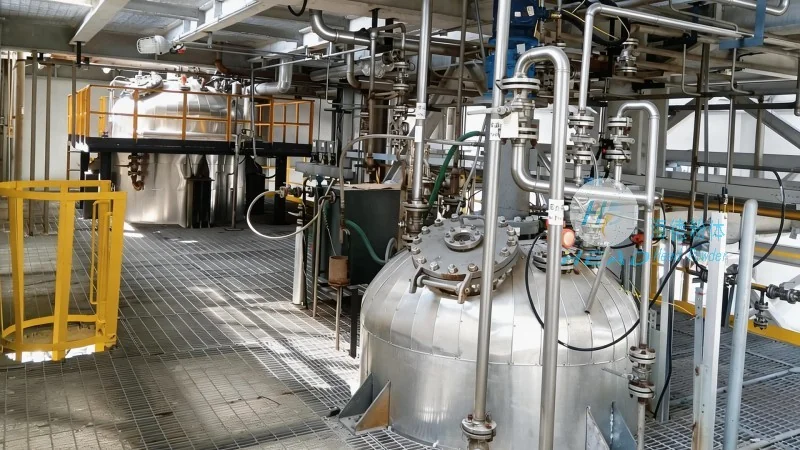
Key Components of the Pneumatic Conveying Line
The PCl₅ pneumatic conveying system typically consists of several essential components that work in tandem to ensure smooth material transport. These components include a hopper for material storage, a rotary airlock valve to control material discharge, a venturi or pressure vessel for conveying, a filter system to capture fine particles, and a dust collection unit. Each component plays a crucial role in maintaining the system's efficiency and safety. The hopper is designed to hold a sufficient quantity of PCl₅, preventing material buildup and ensuring a steady feed to the conveying line. The rotary airlock valve acts as a gate, regulating the flow of PCl₅ into the conveying system and preventing backflow. The venturi or pressure vessel is the core of the conveying mechanism, where compressed air or gas is introduced to create a high-velocity flow that transports the PCl₅ particles through the pipeline. The filter system and dust collection unit are critical for maintaining air quality and preventing the release of PCl₅ particles into the environment, which is essential for compliance with environmental regulations.
Operation Process of the Pneumatic Conveying Line
The operation of the PCl₅ pneumatic conveying line follows a systematic process that ensures consistent and safe material transport. The process begins with the loading of PCl₅ into the hopper. Once the hopper is filled, the rotary airlock valve opens, allowing PCl₅ to enter the venturi or pressure vessel. Simultaneously, compressed air is introduced into the system, creating a high-velocity airflow that draws the PCl₅ particles into the pipeline. The airflow carries the PCl₅ particles through the conveying line to the destination point, such as a reactor or processing unit. At the receiving end, a rotary airlock valve or a surge bin is used to control the discharge of PCl₅, preventing overloading and ensuring a steady flow. The filter system and dust collection unit continuously capture any fine particles that may escape during the conveying process, ensuring that the air leaving the system is clean and compliant with environmental standards. The entire process is automated, with sensors and control systems monitoring key parameters such as pressure, flow rate, and material level to maintain optimal performance. This automation minimizes the risk of human error and ensures consistent operation.
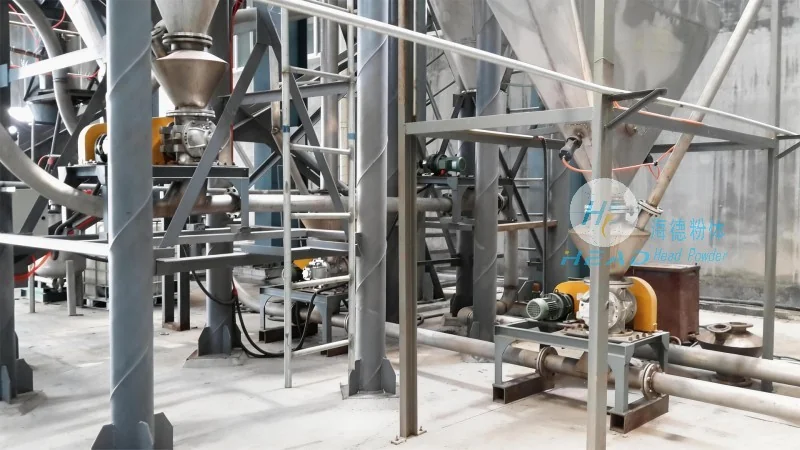
Working Principle of the Pneumatic Conveying System
The working principle of the PCl₅ pneumatic conveying system is based on the principles of fluid dynamics and particle transport. The system utilizes a high-velocity airflow to entrain and transport the PCl₅ particles through the pipeline. The venturi or pressure vessel creates a low-pressure zone that draws the PCl₅ particles into the airflow, while the compressed air provides the necessary energy to move the particles to the destination. The airflow velocity is typically maintained at a level that ensures the PCl₅ particles remain suspended, preventing deposition and blockages in the pipeline. The system operates under either positive pressure or negative pressure, depending on the application and the distance between the source and destination. Positive pressure systems are commonly used for short-distance conveying, where the compressed air is introduced at the conveying point and moves the material forward. Negative pressure systems, on the other hand, are used for longer distances or when the material needs to be transported from a higher elevation to a lower one, as the system draws the material into the airflow using a vacuum.
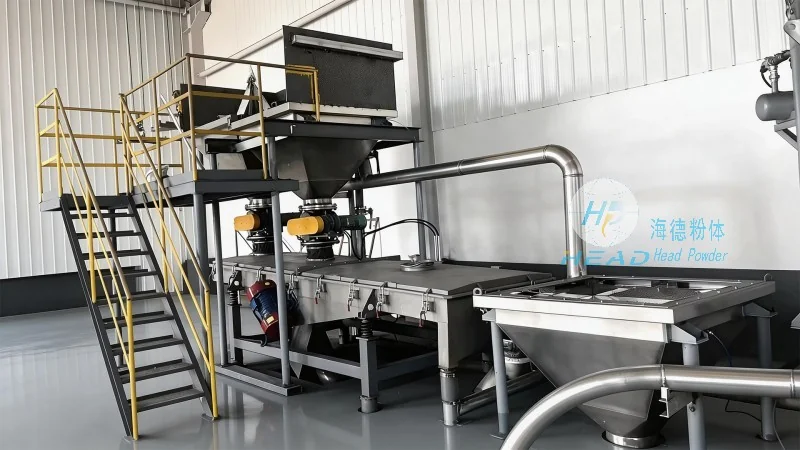
Advantages of PCl₅ Pneumatic Conveying Systems
Pneumatic conveying systems for PCl₅ offer several advantages over traditional bulk handling methods, such as bucket elevators or screw conveyors. One of the primary advantages is the ability to handle highly corrosive and reactive materials like PCl₅ without the risk of contamination or degradation. The enclosed system prevents exposure to personnel and the environment, reducing the risk of accidents and environmental violations. Additionally, pneumatic conveying systems are more flexible in terms of layout, as they can be installed in various configurations to accommodate different plant layouts and distances. The system can also handle a wide range of particle sizes and moisture content, making it suitable for diverse PCl₅ applications. Another key advantage is the reduced maintenance requirements compared to mechanical conveyors, as there are fewer moving parts and less wear and tear. The automated control systems also contribute to lower labor costs and increased operational efficiency. Overall, the PCl₅ pneumatic conveying system provides a safe, efficient, and cost-effective solution for handling this critical chemical compound.
Conclusion and Company Information
Phosphorus pentachloride pneumatic conveying lines are essential for the safe and efficient handling of this hazardous chemical in industrial settings. The operation process and working principle of such systems involve a combination of mechanical and pneumatic components that work together to transport PCl₅ from storage to processing units. The key to successful operation lies in proper design, maintenance, and automation to ensure consistent performance and compliance with safety and environmental regulations. For companies dealing with PCl₅, investing in a reliable pneumatic conveying system is a critical step in maintaining operational efficiency and ensuring the safety of personnel and the environment. Shandong HeadPowder Engineering Co., Ltd., a leading provider of industrial conveying solutions, specializes in designing and manufacturing PCl₅ pneumatic conveying systems tailored to the specific needs of their clients. With years of experience in the industry, HeadPowder offers high-quality, customized solutions that meet the stringent requirements of PCl₅ handling. The company's headquarters is located in Shandong, China, and they are committed to providing innovative and reliable solutions for their customers worldwide.