

Operation Process and Working Principle of Corn Feed Material Pneumatic Conveying Line
For agricultural and feed processing industries, the efficient and reliable transportation of bulk materials like corn feed is crucial. Pneumatic conveying systems, particularly those designed for corn feed materials, offer a solution that combines high performance with operational flexibility. This article delves into the operation process and working principle of a corn feed material pneumatic conveying line, highlighting its key components, operational steps, and the technical foundation that enables seamless material handling.
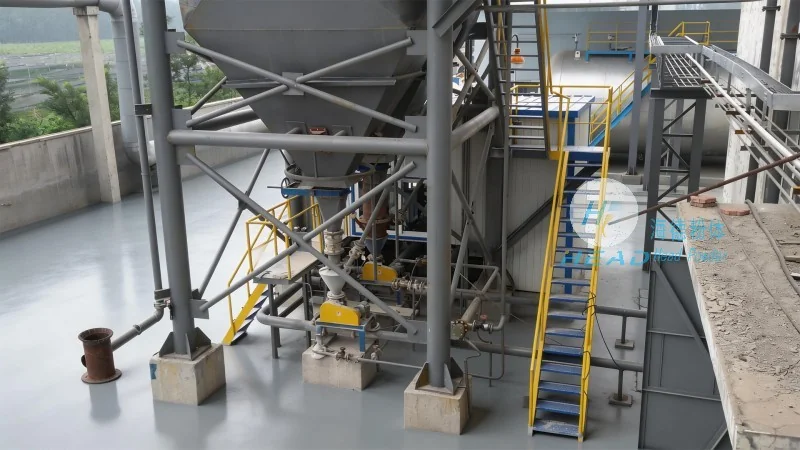
Introduction to Corn Feed Material Pneumatic Conveying Lines
Corn feed, as a primary ingredient in animal nutrition, requires specialized handling to maintain its quality and integrity. Traditional methods like manual or mechanical conveying may lead to material degradation, contamination, or inefficiencies. Pneumatic conveying lines provide an automated solution that addresses these challenges by using air as the conveying medium. The system is designed to transport corn feed from storage silos or processing units to feeding stations or packaging areas with minimal human intervention.
About Shandong HeadPowder Engineering Co., Ltd.
HeadPowder, a leading engineering company based in Shandong, China, specializes in the design, manufacturing, and installation of advanced material handling systems. With a focus on innovation and customer-centric solutions, HeadPowder has established itself as a trusted partner in the agricultural and feed processing sectors. The company’s headquarters and main operations are located in Shandong, China, where it leverages local expertise and resources to deliver high-quality pneumatic conveying solutions tailored to the needs of the industry.
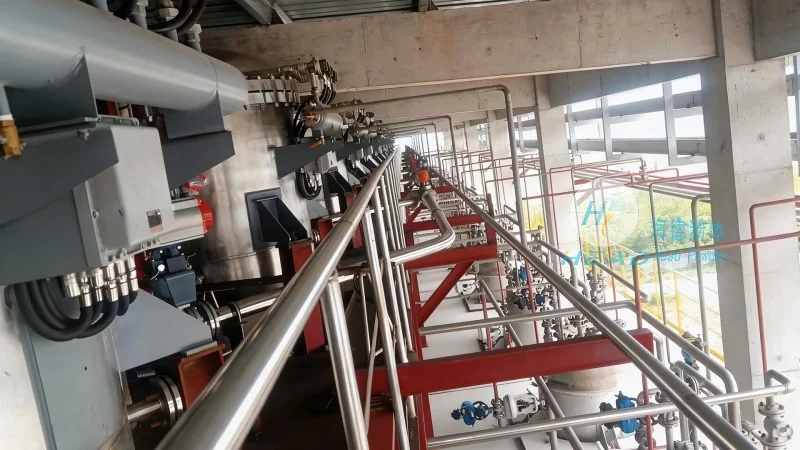
Key Components of the Pneumatic Conveying System
The corn feed material pneumatic conveying line typically consists of several critical components that work in tandem to ensure efficient material transport. These include the hopper or feeder, the air compressor or vacuum pump, the conveying pipeline, the control system, and the discharge unit. Each component plays a vital role in the overall operation of the system.
Operation Process of the Pneumatic Conveying Line
The operation of the corn feed material pneumatic conveying line follows a systematic sequence of steps. Initially, corn feed is fed into the hopper or feeder, where it is stored and prepared for transport. The feeder then regulates the flow of material into the conveying pipeline. Simultaneously, the air compressor generates the necessary air pressure or vacuum, depending on the system configuration (pressure or vacuum conveying). The air then mixes with the corn feed, creating a slurry-like mixture that is propelled through the pipeline. As the mixture travels, it encounters various components such as bends, valves, and filters, which ensure smooth flow and prevent blockages. Finally, the corn feed is discharged at the destination point, such as a silo or feeding station, where it is collected and used as required.

Working Principle of the Pneumatic Conveying System
The working principle of the corn feed material pneumatic conveying line is based on the principles of fluid dynamics and air pressure. In pressure conveying systems, the air compressor creates a high-pressure air stream that pushes the corn feed through the pipeline. The air and material mixture moves at high velocity, ensuring rapid and efficient transport. In vacuum conveying systems, a vacuum pump creates a low-pressure environment that draws the corn feed into the pipeline, pulling it from the source to the destination. The system’s control unit monitors and adjusts the air pressure or vacuum levels to maintain optimal flow rates and prevent overloading or underloading of the pipeline.
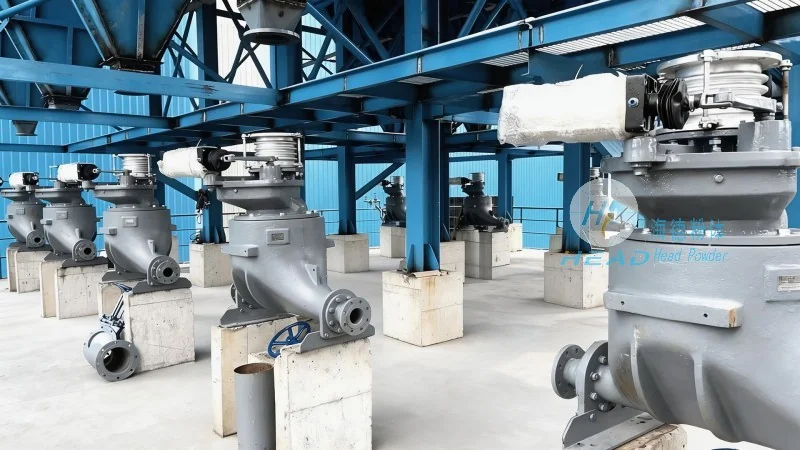
Advantages of Using Pneumatic Conveying for Corn Feed Materials
Pneumatic conveying lines offer several advantages when handling corn feed materials. These include the ability to transport materials over long distances with minimal loss of quality, the prevention of contamination from external sources, and the reduction of labor costs through automated operation. Additionally, the system is flexible and can be adapted to different production scales and layouts, making it suitable for both small-scale and large-scale feed processing facilities.
Conclusion
In conclusion, the operation process and working principle of a corn feed material pneumatic conveying line are designed to provide an efficient, reliable, and cost-effective solution for bulk material handling in the agricultural and feed processing industries. By leveraging advanced engineering and technology, systems like those offered by Shandong HeadPowder Engineering Co., Ltd. ensure that corn feed is transported safely and effectively, supporting the needs of modern animal nutrition and feed production.