

Operation Process and Working Principle of Phosphorus Pentoxide Material Pneumatic Conveying Line
Phosphorus pentoxide (P₂O₅) is a critical chemical compound widely used in industrial applications, including the production of fertilizers, detergents, and specialty chemicals. The efficient and safe handling of P₂O₅ is paramount due to its hygroscopic nature and potential hazards. Pneumatic conveying systems offer a reliable solution for transporting this material, ensuring minimal dust generation and maintaining product integrity. This article provides an in-depth look at the operation process and working principles of a phosphorus pentoxide material pneumatic conveying line, highlighting the key components, operational procedures, and technical considerations.
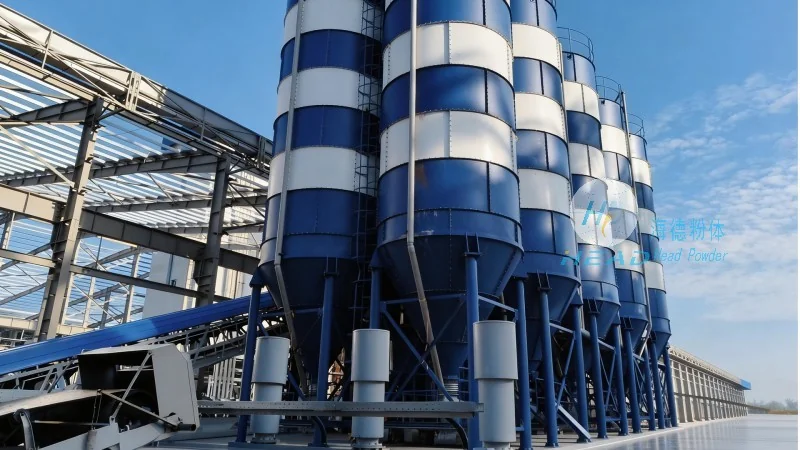
Key Components of the Pneumatic Conveying Line
The phosphorus pentoxide pneumatic conveying system typically consists of several essential components that work in concert to facilitate material transport. These include a material hopper for storage and feeding, a rotary airlock valve to control the flow of P₂O₅ into the system, a positive displacement blower or air compressor to generate the necessary air pressure, a conveying pipeline network, and a receiver or discharge hopper at the destination. Each component plays a critical role in ensuring smooth and efficient operation. The material hopper is designed to hold a sufficient quantity of P₂O₅, with a sloped bottom to facilitate gravity-assisted feeding. The rotary airlock valve acts as a seal between the hopper and the pipeline, preventing air leakage and maintaining a consistent flow rate. The blower or compressor provides the motive force, generating a high-pressure air stream that propels the P₂O₅ particles through the pipeline. The conveying pipeline is usually made of corrosion-resistant materials, such as stainless steel or PTFE-coated tubes, to withstand the chemical properties of P₂O₅ and prevent material degradation. The receiver or discharge hopper collects the conveyed material and may include a dust collection system to capture any airborne particles.
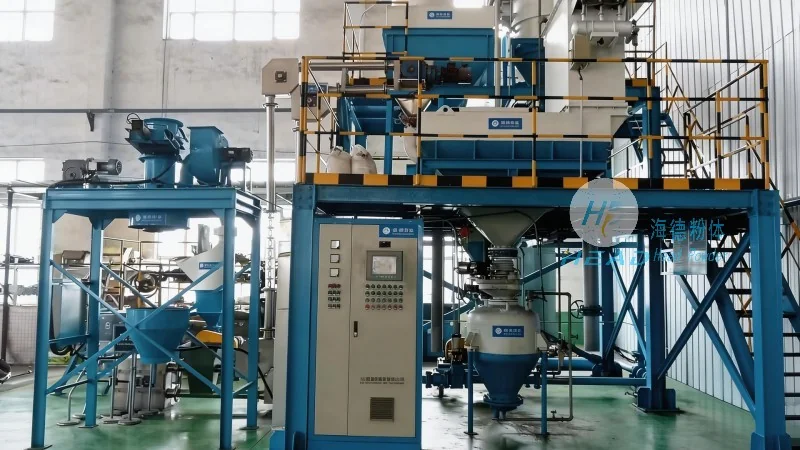
Working Principle of the Pneumatic Conveying Process
The operation of the phosphorus pentoxide pneumatic conveying line follows a systematic process that ensures the material is transported safely and efficiently. The process begins with the material being fed from the hopper into the rotary airlock valve. The valve opens intermittently, allowing a controlled amount of P₂O₅ to enter the pipeline as the air stream moves through. The high-pressure air, generated by the blower, creates a vacuum or pressure differential that pulls the P₂O₅ particles into the conveying line. As the air and material mixture travels through the pipeline, the particles are suspended and transported to the receiver. The velocity of the air stream is carefully controlled to maintain the material in a suspended state, preventing clogging or blockages. The receiver then collects the material, and the air is typically filtered and recycled back to the blower, minimizing energy waste and environmental impact. The entire system operates in a closed loop, with minimal exposure of the material to the environment, reducing the risk of contamination and dust emissions.
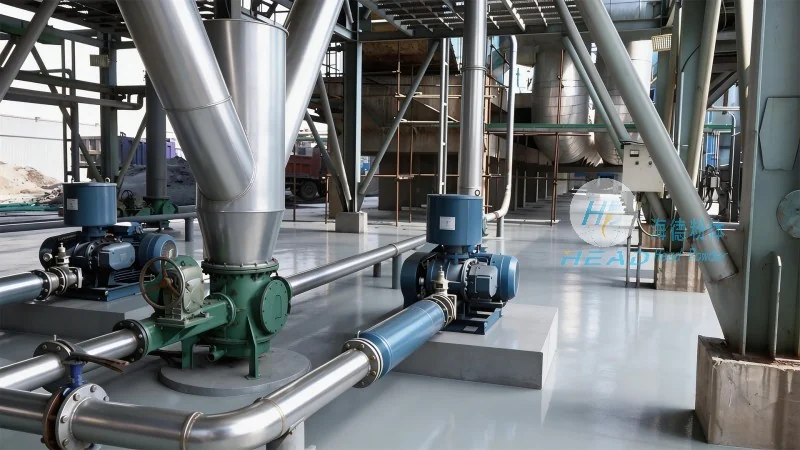
Operation Process and Control Parameters
The operation of the phosphorus pentoxide pneumatic conveying line involves several key steps and control parameters that must be carefully managed to ensure optimal performance. The process starts with the preparation of the system, which includes checking the integrity of all components, ensuring proper air pressure, and verifying the material feed rate. Once the system is ready, the blower is started, and the air flow is adjusted to the desired level. The material feed rate is then increased gradually, with the rotary airlock valve controlling the flow into the pipeline. The system is monitored continuously for pressure, flow rate, and material level, with automatic controls adjusting the air flow and feed rate as needed. The operation continues until the material is fully transferred to the receiver. At the end of the process, the system is shut down in a controlled manner, with the air flow reduced and the material feed stopped. The receiver is then emptied, and the system is cleaned to remove any residual P₂O₅. Key control parameters include air pressure (typically ranging from 0.5 to 1.5 bar), air flow rate (adjusted based on material characteristics and pipeline length), and feed rate (controlled by the rotary airlock valve). These parameters are critical to maintaining the material in a suspended state and preventing system blockages or damage.
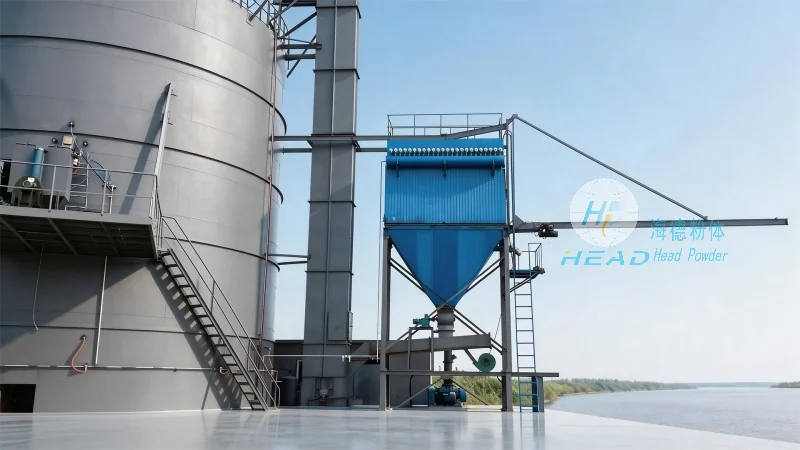
Advantages and Considerations for Phosphorus Pentoxide Pneumatic Conveying
Phosphorus pentoxide pneumatic conveying systems offer several advantages over traditional bulk material handling methods. These include reduced dust generation, improved safety due to enclosed systems, and the ability to transport materials over long distances without the need for mechanical conveyors. The systems are also flexible, allowing for easy integration with existing production lines and modifications to accommodate varying material feed rates. However, there are also considerations to keep in mind when implementing such a system. The hygroscopic nature of P₂O₅ means that the system must be designed to minimize exposure to moisture, as this can lead to material clumping and system blockages. Additionally, the high-pressure air requirements and corrosion-resistant materials increase the initial cost and maintenance requirements. Proper maintenance, including regular cleaning of the pipeline and filter systems, is essential to ensure long-term reliability and performance. The system also requires careful monitoring of air pressure and flow rates to prevent overloading or underloading, which can affect material transport efficiency.