

Operation Process and Working Principle of High-Pressure Dense-Phase Material Pneumatic Conveying Eq
HeadPowder, a leading engineering company based in Shandong, China, specializes in the design, manufacturing, and supply of advanced pneumatic conveying systems. Among their product portfolio is the high-pressure dense-phase material pneumatic conveying machine, a sophisticated solution for efficient bulk material handling. This article provides an in-depth look at the operation process and working principle of this equipment, highlighting its key features and practical applications.
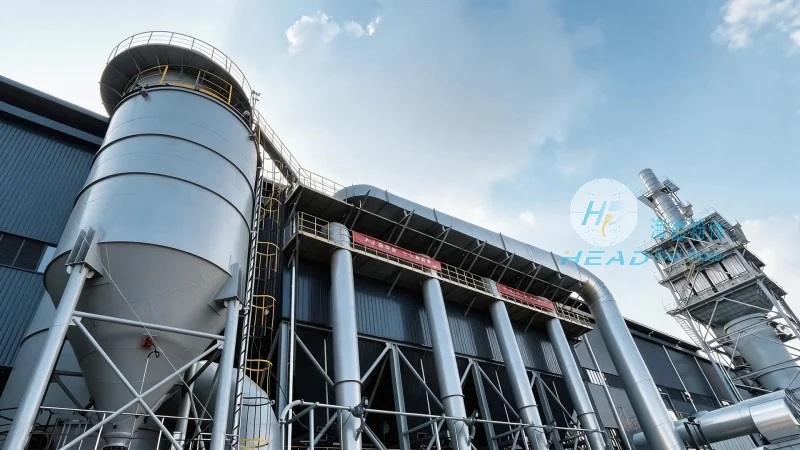
Introduction to High-Pressure Dense-Phase Pneumatic Conveying
High-pressure dense-phase pneumatic conveying systems are engineered to transport bulk materials in a dense, plug-like flow. Unlike conventional pneumatic conveying methods that rely on low-pressure, dilute-phase flow, these systems operate at elevated pressures, typically ranging from 0.5 to 2.5 MPa, ensuring a more stable and efficient material transport. The dense-phase mode minimizes material degradation, reduces wear on equipment components, and enhances overall system reliability. HeadPowder's high-pressure dense-phase material pneumatic conveying machine is tailored to meet the demands of various industries, including chemical, pharmaceutical, food processing, and mining, where precise and controlled material transfer is critical.
Key Components and System Layout
The high-pressure dense-phase material pneumatic conveying machine consists of several integral components that work in concert to achieve efficient material transport. The primary components include a high-pressure air compressor, a material feed hopper, a conveying line, a control valve system, and a discharge hopper. The high-pressure air compressor generates the necessary pressure to drive the material through the conveying line. The material feed hopper stores the bulk material and feeds it into the system at a controlled rate. The conveying line, often made of robust materials such as stainless steel or special alloys, is designed to withstand the high-pressure conditions and prevent material leakage. The control valve system regulates the flow of both air and material, ensuring optimal operation and preventing system overpressure. The discharge hopper collects the conveyed material and delivers it to the final destination.
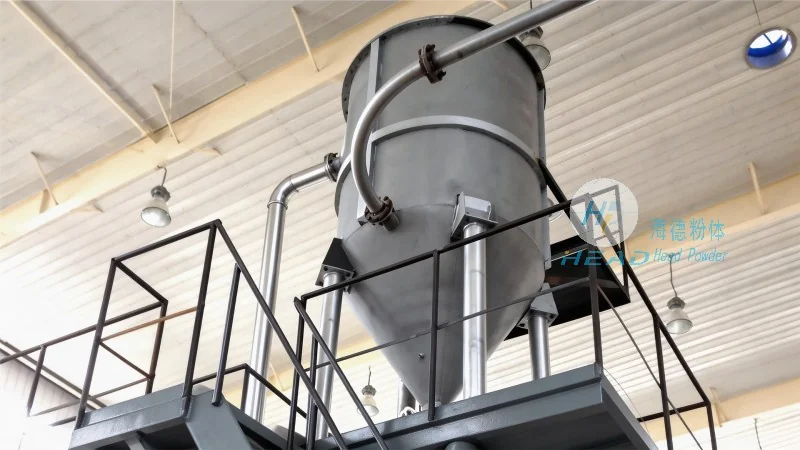
Working Principle of the High-Pressure Dense-Phase Conveying Process
The operation of the high-pressure dense-phase material pneumatic conveying machine follows a systematic process that ensures consistent and reliable material transport. The process begins with the material being fed into the feed hopper from a storage silo or bulk container. The material is then introduced into the conveying line under high pressure, where it forms a dense, plug-like flow. This dense-phase flow is achieved by injecting air or gas at a controlled rate, creating a stable mixture of material and air. The high pressure ensures that the material particles are closely packed, reducing the risk of segregation and maintaining the material's integrity. As the material travels through the conveying line, it is propelled by the high-pressure air, moving from the feed point to the discharge point. The control valve system continuously monitors and adjusts the air and material flow rates to maintain the desired pressure and flow conditions. The system is equipped with safety features, such as pressure relief valves and overpressure sensors, to prevent damage and ensure safe operation.
Operation Process and Control Mechanisms
The operation of the high-pressure dense-phase material pneumatic conveying machine involves several key steps and control mechanisms that ensure smooth and efficient material handling. The process starts with the preparation of the system, including checking the air compressor pressure, verifying the material feed rate, and ensuring all components are properly aligned. Once the system is ready, the material is fed into the hopper at a controlled rate, typically adjusted based on the material's flow characteristics and the required conveying capacity. The high-pressure air compressor then generates the necessary pressure, and the material is introduced into the conveying line. The control valve system regulates the air flow to maintain the dense-phase condition, preventing the material from becoming too dilute or too concentrated. The system continuously monitors the pressure and flow rates, adjusting them as needed to maintain optimal performance. The discharge hopper collects the conveyed material, and the process repeats as needed. The control mechanisms, including automated sensors and feedback loops, ensure that the system operates within safe and efficient parameters, minimizing downtime and maximizing productivity.
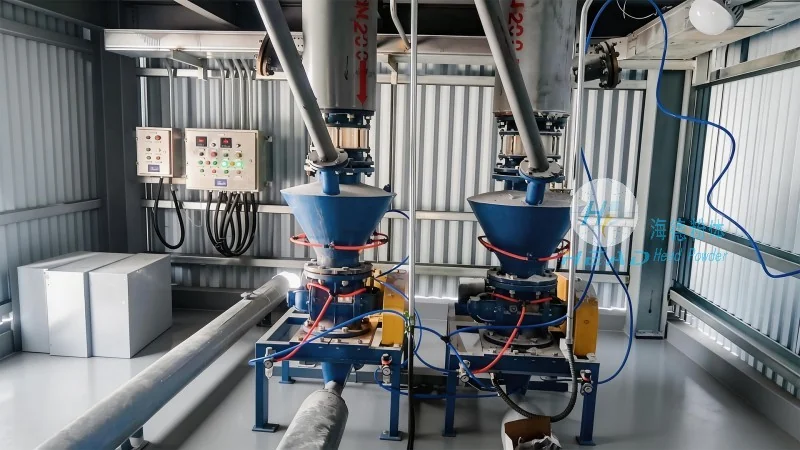
Advantages and Applications of High-Pressure Dense-Phase Pneumatic Conveying
High-pressure dense-phase pneumatic conveying offers several advantages over traditional conveying methods, making it an ideal solution for various industrial applications. The dense-phase mode reduces material degradation, as the material is transported in a stable, plug-like flow that minimizes particle impact and friction. This is particularly important for sensitive materials, such as pharmaceuticals, food products, and chemicals, where product quality is paramount. The high-pressure operation also reduces the risk of material leakage and dust emissions, improving workplace safety and environmental compliance. Additionally, the system is highly efficient, with lower energy consumption compared to other conveying methods, and it can handle a wide range of materials, including powders, granules, and bulk solids. HeadPowder's high-pressure dense-phase material pneumatic conveying machine is widely used in industries such as chemical manufacturing, where it is used to transport raw materials and finished products; pharmaceutical production, where it is used to handle active pharmaceutical ingredients (APIs) and excipients; food processing, where it is used to convey ingredients like flour, sugar, and spices; and mining, where it is used to transport ore and other bulk materials. The system's versatility and reliability make it a preferred choice for companies seeking to improve their material handling processes and enhance operational efficiency.
Conclusion and Future Developments
High-pressure dense-phase material pneumatic conveying is a sophisticated and efficient solution for bulk material handling, offering significant advantages over traditional methods. HeadPowder's high-pressure dense-phase material pneumatic conveying machine, with its advanced design and robust construction, provides a reliable and effective solution for various industrial applications. The system's operation, based on a dense-phase flow of material and air under high pressure, ensures stable and efficient material transport, minimizing degradation and maximizing productivity. As industrial demands for efficient and reliable material handling continue to grow, high-pressure dense-phase pneumatic conveying systems are likely to become even more prevalent, with ongoing developments in system design and control technology. HeadPowder remains committed to providing innovative and high-quality solutions for its clients, helping them to achieve their operational goals and improve their overall performance.