

Operation Process and Working Principle of a Pneumatic Conveying Line for Activated Carbon Powder
Pneumatic conveying lines are critical systems used in the handling and transportation of activated carbon powder materials. These systems utilize air or other gas streams to transport bulk materials like activated carbon powder from one location to another, offering an efficient and often dust-free alternative to traditional methods such as belt conveyors or bucket elevators. The operation of such lines involves a series of steps and principles that ensure reliable and consistent material transport, making them essential in industrial applications where activated carbon powder is processed or distributed.
Company Overview
Headpowder, a leading engineering company based in Shandong, China, specializes in the design, manufacturing, and installation of advanced material handling systems. With a strong focus on quality and innovation, Headpowder has established itself as a trusted provider of pneumatic conveying solutions tailored to the unique needs of the activated carbon industry. The company's expertise lies in creating customized systems that optimize material flow, minimize downtime, and enhance overall operational efficiency for clients worldwide.
The Operation Process of the Pneumatic Conveying Line
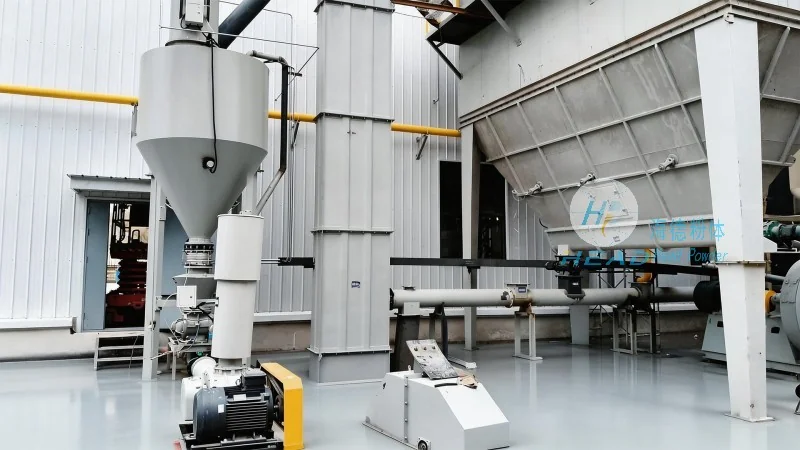
The operation of a pneumatic conveying line for activated carbon powder typically begins with the loading of the material into a hopper or feeder. The hopper is equipped with a valve or gate that controls the flow of powder into the system. Once the material is loaded, a fan or blower generates a high-pressure air stream that draws the activated carbon powder into the conveying line. The powder is then carried through the pipeline by the moving air, traveling to the discharge point where it is collected in a receiving hopper or storage silo.
The process involves several key stages: material feeding, air generation, material transport, and discharge. During the feeding stage, the activated carbon powder is introduced into the system at a controlled rate to prevent overloading or blockages. The air generation stage ensures that sufficient air pressure and volume are maintained to move the powder through the pipeline without excessive pressure drops or material degradation. The transport stage is where the powder is carried by the air stream, often using a combination of positive and negative pressure zones to optimize flow. Finally, the discharge stage involves the collection of the powder at the destination, where it is stored or further processed.
Working Principle of the Pneumatic Conveying System
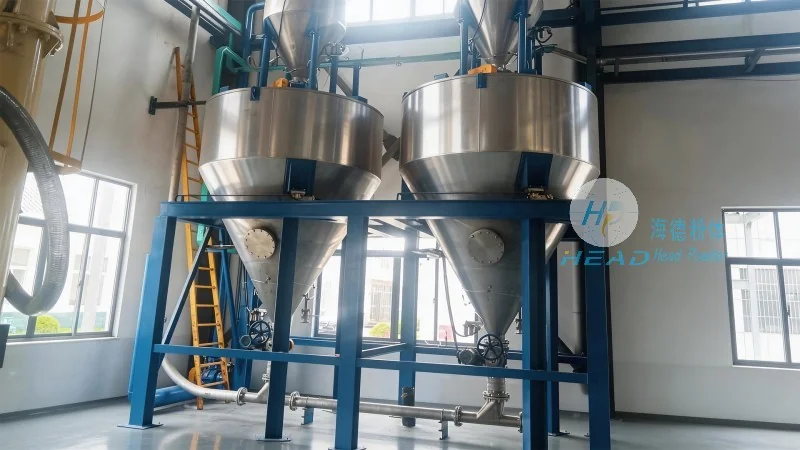
The working principle of a pneumatic conveying system for activated carbon powder is based on the fundamental concept of fluidization and suspension. When air is introduced into the material in the hopper, it creates a fluidized bed, where the powder particles are suspended and moved by the air stream. This suspension allows the powder to be transported through the pipeline as a slurry, reducing the risk of agglomeration or caking, which can occur with traditional dry handling methods. The system operates under either positive pressure (where air is forced into the system) or negative pressure (where air is drawn out), depending on the specific design and application requirements.
Key components of the system include the feeder, hopper, fan or blower, conveying pipeline, and discharge hopper. The feeder controls the rate of material flow, ensuring a consistent supply to the system. The hopper provides a storage area for the activated carbon powder and helps maintain a stable pressure within the system. The fan or blower generates the necessary air pressure and volume to move the powder through the pipeline. The conveying pipeline is typically made of materials such as stainless steel or plastic, which are resistant to corrosion and wear from the activated carbon powder. The discharge hopper collects the powder at the end of the line, allowing for easy transfer to subsequent processing or storage.
Key Components and Their Functions
Several critical components work together to ensure the efficient operation of a pneumatic conveying line for activated carbon powder. The feeder is responsible for controlling the flow rate of the powder, preventing overfeeding and ensuring a steady supply to the system. The hopper serves as a storage vessel and helps maintain a consistent pressure by providing a large volume of material. The fan or blower is the power source, generating the air pressure and volume required to move the powder. The conveying pipeline transports the powder and air mixture from the feeder to the discharge point. The discharge hopper collects the powder at the end of the line, allowing for easy handling and transfer.
Additional components may include filters, cyclones, and pressure regulators. Filters are used to remove any dust or debris from the air stream, ensuring that the activated carbon powder remains clean and free from contaminants. Cyclones are used to separate the powder from the air stream at the discharge point, allowing for efficient collection and preventing dust emissions. Pressure regulators maintain a consistent pressure within the system, preventing fluctuations that could affect the flow rate or cause blockages.

Benefits and Applications in Activated Carbon Powder Handling
The use of pneumatic conveying lines for activated carbon powder offers numerous benefits over traditional handling methods. One of the primary advantages is the ability to transport the material in a dust-free environment, reducing the risk of respiratory issues or contamination for workers. Additionally, the system minimizes material degradation, as the powder is not subjected to excessive friction or impact during transport. This is particularly important for activated carbon powder, which can be sensitive to handling conditions and may lose its adsorption properties if damaged.
Another key benefit is the flexibility and scalability of the system. Pneumatic conveying lines can be customized to handle varying volumes of activated carbon powder, from small-scale laboratory applications to large industrial production lines. The system can also be integrated with other processing equipment, such as mixers or reactors, to create a seamless material handling process. This integration enhances overall operational efficiency and reduces the need for manual handling, which can be time-consuming and labor-intensive.
In industrial applications, pneumatic conveying lines are commonly used in the production of activated carbon filters, adsorbents, and other products. The system allows for the efficient transport of activated carbon powder from storage silos to processing units, ensuring a consistent supply of material for production. Additionally, the system can be used in environmental applications, such as air purification systems, where activated carbon powder is used to remove pollutants from industrial emissions.