

Operation Process and Working Principle of Cement Tanker Powder Pneumatic Conveying Machine
HeadPowder, a leading provider in the field, specializes in the design and manufacturing of advanced cement tanker powder pneumatic conveying machines. These systems are engineered to efficiently transport bulk powders, such as cement, from storage silos to various application points, ensuring minimal material loss and optimal operational efficiency. The company, based in Shandong, China, leverages decades of industry experience to deliver solutions tailored to the specific needs of construction and industrial sectors.
Working Principle of the Pneumatic Conveying System
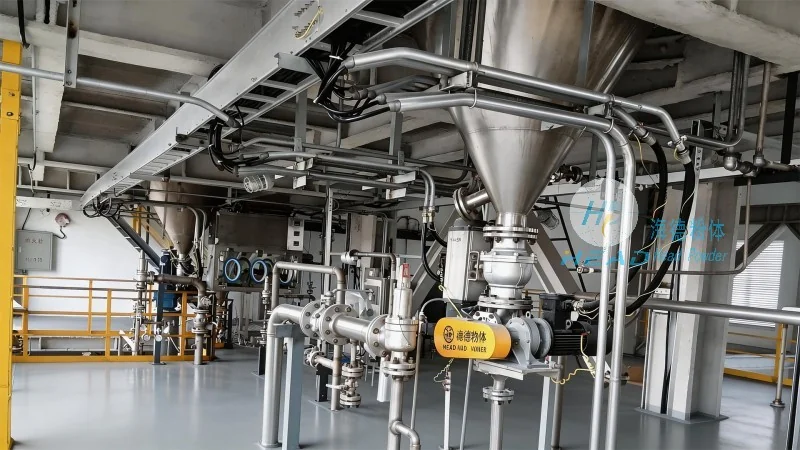
The core of the cement tanker powder pneumatic conveying machine operates on the principle of air movement to transport dry powders. The system typically consists of a hopper, a blower or compressor, a pipeline network, and a discharge outlet. When the system is activated, the blower generates a high-pressure airflow that draws the powder from the hopper into the pipeline. The air and powder mixture travels through the pipeline to the destination point, where the powder is discharged under controlled conditions. This process eliminates the need for mechanical components like belts or screws, reducing maintenance and increasing reliability.
Step-by-Step Operation Process
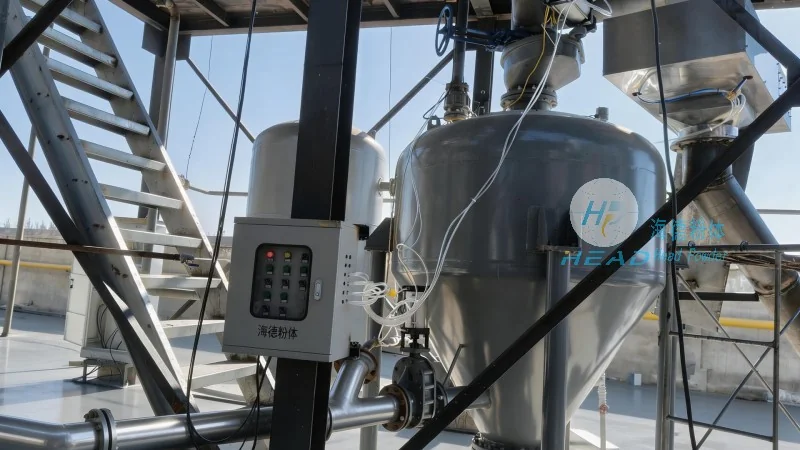
The operation of the cement tanker powder pneumatic conveying machine involves several key steps, each designed to ensure smooth and efficient material transfer. First, the bulk cement is loaded into the storage silo or hopper. The system then initiates the blower, which starts generating the necessary airflow. The powder is then drawn from the hopper into the pipeline as the air pressure builds. The mixture travels through the pipeline, which may include bends, valves, and filters to maintain consistent flow and prevent blockages. At the receiving end, the powder is discharged into the target container or directly to the mixing equipment. The system can be controlled manually or via automated systems, allowing for precise regulation of flow rates and pressure. Regular monitoring of pressure, flow, and temperature ensures optimal performance and early detection of any potential issues.

Key Components and Their Functions
Several critical components contribute to the effective operation of the cement tanker powder pneumatic conveying machine. The hopper serves as the storage and feeding unit, ensuring a consistent supply of powder to the system. The blower or compressor is the heart of the system, providing the necessary air pressure to move the powder. The pipeline network connects the hopper to the discharge point, with appropriate sizing to minimize pressure drop and maintain flow efficiency. Filters are installed to remove any fine particles or debris from the air, preventing clogging and ensuring clean air for the system. Control valves allow for adjustment of airflow and pressure, enabling precise control over the conveying process. The discharge outlet is designed to handle the powder smoothly, preventing spillage and ensuring accurate delivery to the target location.
Advantages of Pneumatic Conveying for Cement Transport
Compared to traditional mechanical conveying methods, the cement tanker powder pneumatic conveying machine offers several advantages. It eliminates the need for moving parts, reducing maintenance costs and downtime. The system is also more hygienic and cleaner, as it does not involve direct contact between the powder and mechanical components. Additionally, pneumatic conveying allows for more flexible and adaptable layouts, as the pipeline can be configured to follow the existing infrastructure. The ability to control flow rates and pressure precisely ensures consistent material delivery, which is crucial for maintaining quality in construction applications. The system also minimizes material degradation, as the powder is not subjected to excessive friction or impact during transport.
Application Scenarios and Industry Impact
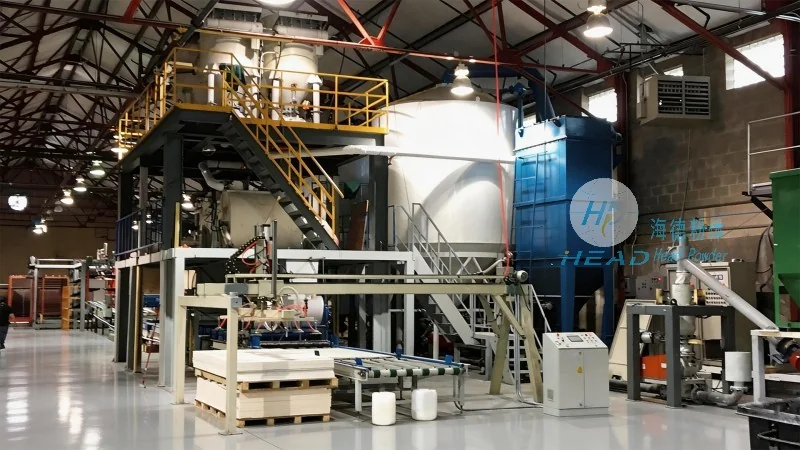
The cement tanker powder pneumatic conveying machine is widely used in various industrial and construction applications. In construction sites, it efficiently transports cement from storage to mixing plants, ensuring a steady supply of material for concrete production. In industrial settings, it can be used to transfer cement to production lines for manufacturing processes, such as the production of cement-based products or coatings. The system is also suitable for applications requiring high-volume, low-loss transport, such as in large-scale cement plants or distribution centers. By improving the efficiency and reliability of cement transport, the system contributes to increased productivity and reduced operational costs for businesses in the construction and industrial sectors.