

Operation Process and Working Principle of Ammonium Bicarbonate Material Handling System Equipment
Ammonium bicarbonate, a white crystalline powder widely used in industries such as food, pharmaceuticals, and chemical manufacturing, requires efficient and reliable material handling systems to ensure safe and consistent processing. The system designed by Shandong HeadPowder Engineering Co., Ltd. (headpowder) addresses these needs through a comprehensive setup that integrates various components for seamless operation. This equipment is engineered to handle the unique properties of ammonium bicarbonate, including its hygroscopic nature and potential for dust generation, while maintaining high operational efficiency and safety standards.
Key Components and Their Roles
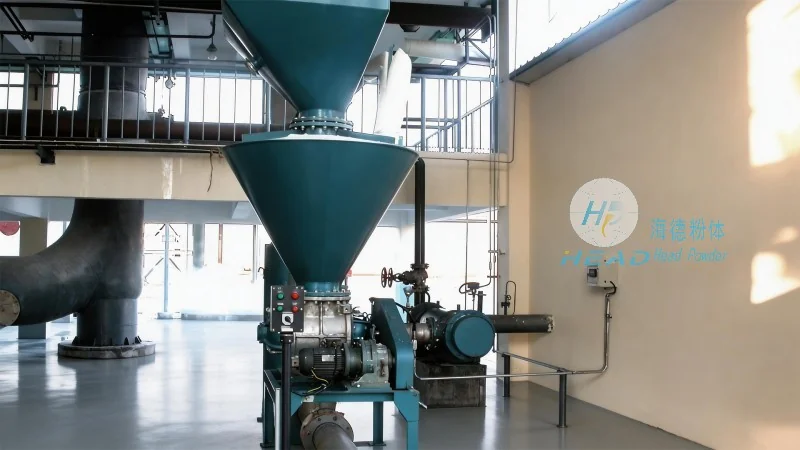
The material handling system for ammonium bicarbonate typically consists of several critical components, each playing a vital role in the overall process. These include feed hoppers, conveyors, pneumatic or mechanical transport systems, dust collection units, and storage silos. The feed hopper is responsible for receiving and storing the raw ammonium bicarbonate, ensuring a steady supply to the subsequent processing stages. Conveyors, often equipped with special materials to prevent material buildup or contamination, transport the material from the hopper to the processing equipment or storage silo. Pneumatic systems may be employed for dust-free transport, especially in applications where dust control is paramount. Dust collection systems are integrated to capture any airborne particles, protecting both the environment and personnel from exposure. Storage silos are used to hold the processed material, providing a controlled environment that prevents moisture absorption and maintains product quality.
Operation Process Overview
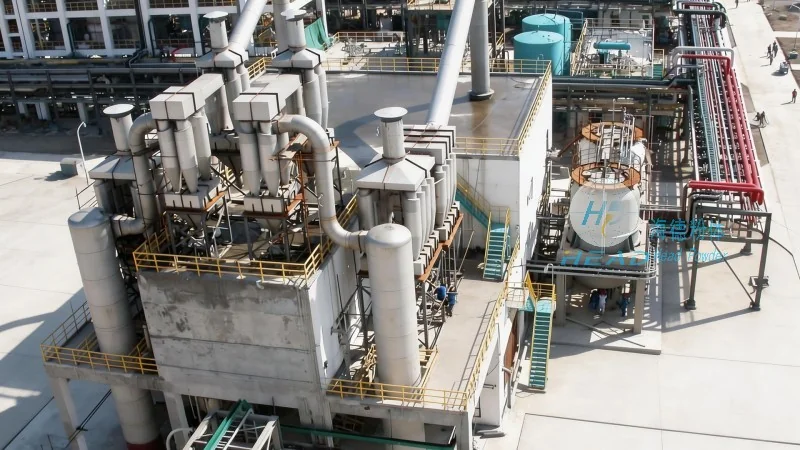
The operation of the ammonium bicarbonate material handling system follows a systematic sequence to ensure optimal performance. The process begins with the loading of raw ammonium bicarbonate into the feed hopper. A level sensor monitors the material level, triggering the start of the conveying process once the hopper reaches a preset threshold. The material is then transferred to the conveyor system, which moves it to the processing equipment or storage silo. During transport, the system may incorporate vibration or agitation mechanisms to prevent material bridging or caking, which are common issues with hygroscopic powders like ammonium bicarbonate. At each stage, sensors and control systems ensure that the flow rate and pressure are maintained within safe and efficient parameters. The system is designed to operate continuously, with automated controls that minimize downtime and maximize throughput. Regular maintenance checks are integrated into the operational schedule to ensure all components function as intended, reducing the risk of breakdowns and maintaining product quality.
Working Principle of the System
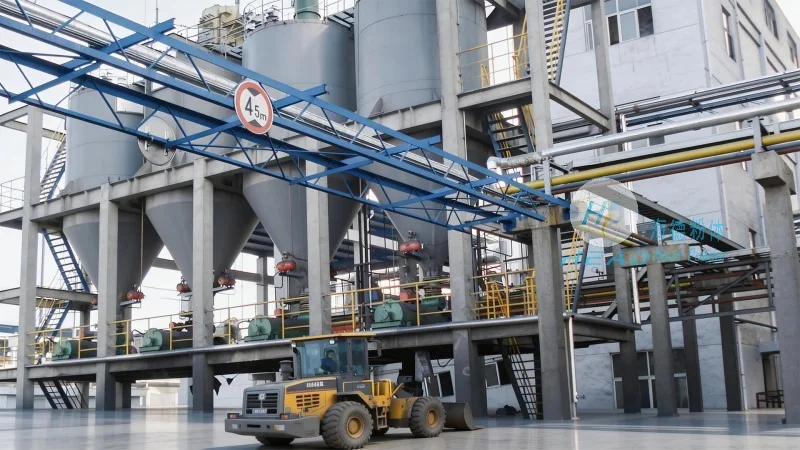
The working principle of the ammonium bicarbonate material handling system is based on the integration of mechanical and pneumatic technologies to handle the material's characteristics. The system operates by converting the potential energy of the material in the hopper into kinetic energy through the conveyor system. Pneumatic transport systems use compressed air to create a flow of material through pipes, which is particularly effective for preventing dust and ensuring a uniform flow rate. Mechanical conveyors, such as belt or screw conveyors, provide a more direct and controlled transport method, especially for larger quantities or when precise positioning is required. The dust collection system works on the principle of filtration, using cyclones or bag filters to separate dust particles from the air stream. This not only protects the environment but also maintains the purity of the material by preventing contamination from airborne particles. The control system uses sensors to monitor various parameters, such as material level, pressure, and temperature, and adjusts the operation of the system in real-time to maintain optimal conditions. This closed-loop control ensures that the system operates efficiently and safely, minimizing energy consumption and maximizing productivity.
Benefits and Applications
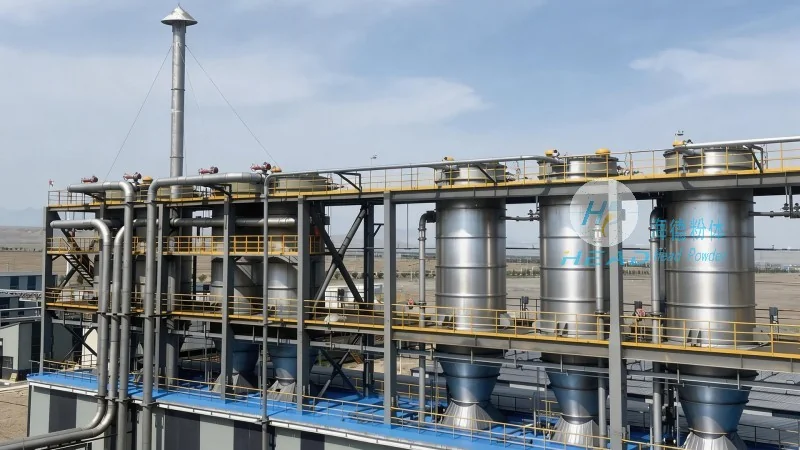
The ammonium bicarbonate material handling system developed by Shandong HeadPowder Engineering Co., Ltd. offers several key benefits that make it suitable for various industrial applications. The system's design minimizes dust generation, which is crucial for maintaining product quality and ensuring workplace safety. The hygroscopic nature of ammonium bicarbonate is managed through controlled storage and transport conditions, preventing moisture absorption and maintaining the material's stability. The system's high throughput and continuous operation capabilities make it ideal for large-scale production environments, where efficiency and consistency are critical. Additionally, the automated control features reduce the need for manual intervention, lowering labor costs and minimizing the risk of human error. The system is widely used in the food industry for processing ammonium bicarbonate as a leavening agent, in the pharmaceutical industry for manufacturing active ingredients, and in chemical manufacturing for producing other compounds. Its versatility and reliability make it a preferred choice for industries that require precise and safe handling of this material.