

Operation Process and Working Principle of Sweet Potato Starch Material Conveying System Equipment
For the sweet potato starch production line, the material conveying system is a critical component that ensures the smooth flow of raw materials and intermediate products. The system designed by Shandong HeadPowder Engineering Co., Ltd. (hereinafter referred to as HeadPowder) is engineered to meet the specific demands of starch processing, offering reliable and efficient performance in handling sweet potato pulp, dregs, and other materials. This article will delve into the operation process and working principle of this equipment, providing a comprehensive understanding of its functionality and application.
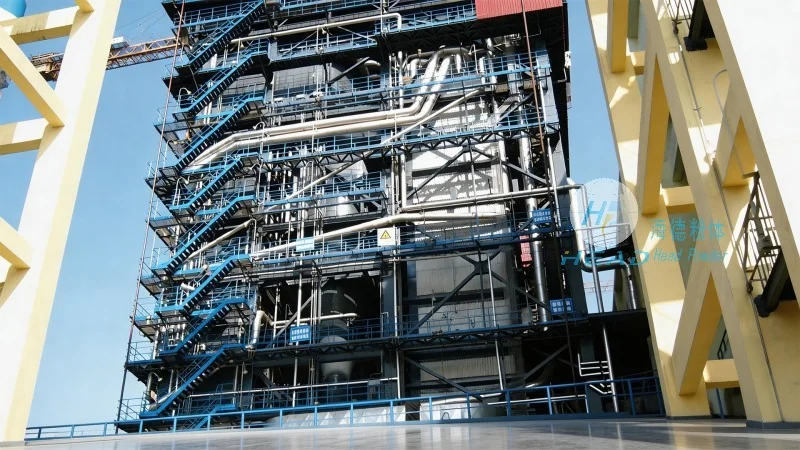
Overview of the Sweet Potato Starch Material Conveying System
The sweet potato starch material conveying system is an integrated solution that combines various conveying equipment such as screw conveyors, vibrating conveyors, and bucket elevators. These components work in sequence to transport materials from the reception area to the processing units, ensuring a continuous and unobstructed flow. The system is typically installed in the production line of sweet potato starch processing plants, where it plays a pivotal role in maintaining the production efficiency and quality of the final starch product.
Company Background: Shandong HeadPowder Engineering Co., Ltd.
HeadPowder, a leading manufacturer in the starch processing equipment industry, is headquartered in Shandong, China. With years of experience in research, development, and manufacturing, the company specializes in providing customized conveying systems tailored to the unique requirements of starch production. The company's commitment to quality and innovation has made its equipment widely recognized in the industry, serving clients across China and beyond. The material conveying system described in this article is a product of HeadPowder's advanced engineering and manufacturing capabilities, designed to deliver optimal performance in sweet potato starch processing applications.
The Operation Process of the Material Conveying System
The operation process of the sweet potato starch material conveying system begins with the reception of raw sweet potatoes at the production site. The system then proceeds through several key stages, each managed by specialized equipment to ensure efficient material handling. The first stage involves the initial processing of sweet potatoes, where they are washed, peeled, and cut into smaller pieces. These processed pieces are then fed into the conveying system, where they are transported to the next processing unit, such as the grinding or pressing stage. The conveying equipment used in this stage, such as screw conveyors, are designed to handle the wet and fibrous nature of the sweet potato pulp, ensuring minimal material loss and maximum throughput.
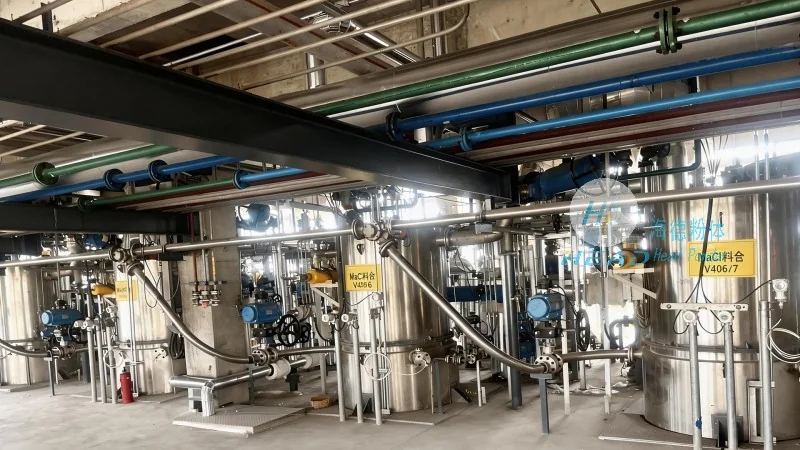
Following the initial processing, the system continues to transport the material through subsequent stages, including the separation of starch from dregs and the drying of the starch. Each stage is equipped with appropriate conveying equipment to handle the specific characteristics of the material at that point. For example, vibrating conveyors may be used to transport the dregs, while bucket elevators are employed to lift the starch to higher levels for further processing. The system is designed to maintain a consistent flow rate, with adjustable speed controls to accommodate varying production demands. This flexibility allows the system to adapt to different production scales and processing requirements, ensuring optimal performance under various conditions.
The Working Principle of the Material Conveying System
The working principle of the sweet potato starch material conveying system is based on the mechanical movement of the conveying equipment, which transfers materials from one location to another through a series of connected components. The system typically consists of a drive unit, a conveying element (such as a screw or vibrating plate), and a housing that guides the material along the desired path. The drive unit provides the necessary power to move the conveying element, while the housing ensures that the material remains within the system and is directed towards the next processing stage.
In the case of screw conveyors, the working principle involves a rotating screw inside a cylindrical tube. As the screw rotates, it pushes the material forward along the tube, creating a continuous flow. The speed of the screw and the pitch of the screw blades can be adjusted to control the flow rate and the pressure exerted on the material. This design allows for efficient transport of both dry and wet materials, making it suitable for various stages of the sweet potato starch production process. Vibrating conveyors, on the other hand, use an oscillating motion to move the material along a sloped surface. The vibration is generated by an electric motor connected to a vibrating mechanism, which causes the material to move forward due to the friction between the material and the conveying surface. This method is particularly effective for handling granular or powdery materials, such as the dregs and starch produced during processing.
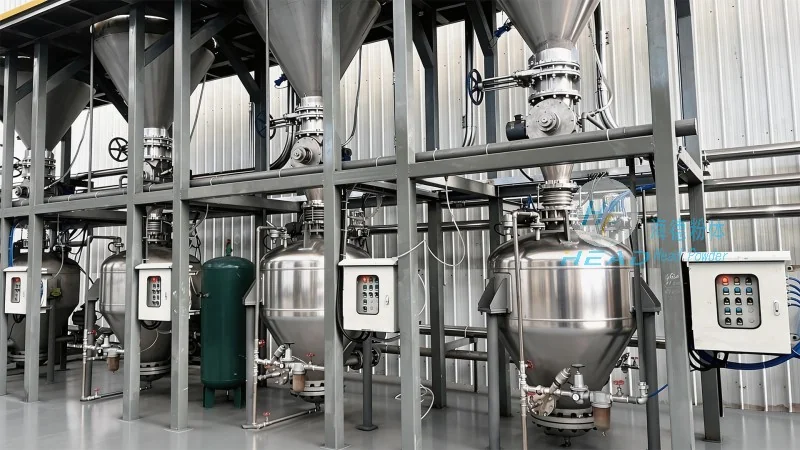
Key Components and Their Functions
The material conveying system for sweet potato starch production includes several key components, each playing a crucial role in the overall operation. The primary components include the feed hopper, the conveying equipment (screw or vibrating conveyor), the discharge outlet, and the control system. The feed hopper is responsible for receiving the raw material and feeding it into the conveying system at a controlled rate. The conveying equipment is the core of the system, responsible for transporting the material along the desired path. The discharge outlet allows the material to exit the system and enter the next processing unit. The control system, which may include sensors and a control panel, monitors the operation of the system and adjusts the speed or direction of the conveying equipment as needed to maintain optimal performance.
Each component is designed to work in harmony with the others, ensuring that the material is transported efficiently and safely. For example, the feed hopper is equipped with a level sensor to detect the amount of material present and adjust the feed rate accordingly. The conveying equipment is equipped with a speed controller to regulate the flow rate, while the discharge outlet is designed to prevent material from backflowing or leaking. The control system provides real-time monitoring of the system's performance, allowing operators to identify and address any issues promptly. This integrated approach ensures that the material conveying system operates smoothly and reliably, minimizing downtime and maximizing production efficiency.
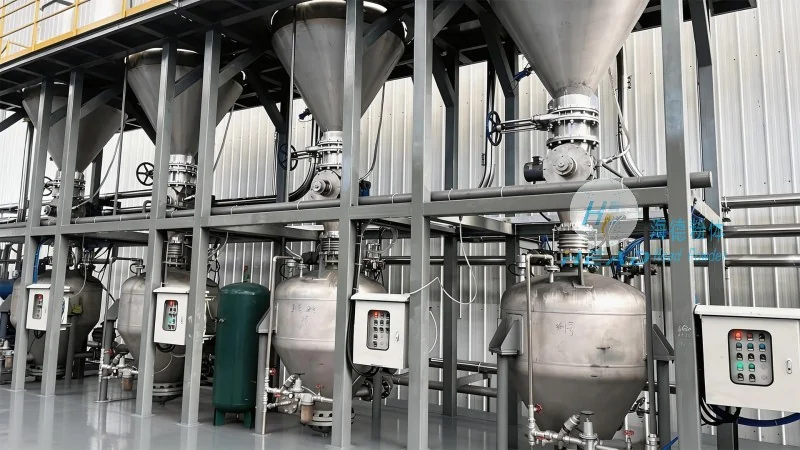
Advantages and Applications
The sweet potato starch material conveying system designed by HeadPowder offers several advantages that make it an ideal choice for starch processing plants. The system is highly efficient, with the ability to handle large volumes of material at a consistent flow rate. It is also flexible, as the conveying equipment can be adjusted to accommodate different types of materials and production requirements. The system is designed to be durable and low-maintenance, with components that are resistant to corrosion and wear from the handling of wet and fibrous materials. Additionally, the system is equipped with safety features, such as emergency stop buttons and protective guards, to ensure the safety of operators and prevent accidents.
The system is widely used in sweet potato starch production lines, where it is employed to transport raw sweet potatoes, pulp, dregs, and starch. It is also used in other starch processing applications, such as corn starch and cassava starch production, where similar material handling requirements exist. The system's adaptability and reliability make it a valuable asset for any starch processing plant, helping to improve production efficiency and reduce operational costs.
Conclusion
The sweet potato starch material conveying system is a critical component of the starch production process, and its efficient operation is essential for maintaining high production quality and efficiency. The system designed by Shandong HeadPowder Engineering Co., Ltd. combines advanced engineering and manufacturing techniques to provide a reliable and efficient solution for material handling in sweet potato starch processing. By understanding the operation process and working principle of this equipment, starch processing plants can optimize their production lines and improve overall performance. HeadPowder's commitment to quality and innovation ensures that its conveying systems continue to meet the evolving needs of the starch industry, providing reliable and efficient solutions for years to come.