

Operation Process and Working Principle of Dry Mix Mortar Material Handling System Equipment
Dry mix mortar material handling systems are integral to modern construction, facilitating the efficient transport and management of dry mortar mixes from storage to the point of use. These systems are essential for maintaining consistent material quality, ensuring smooth workflow, and enhancing overall operational efficiency in construction projects. By automating the material handling process, these systems reduce labor costs, minimize errors, and support large-scale construction operations, making them a critical investment for construction companies.
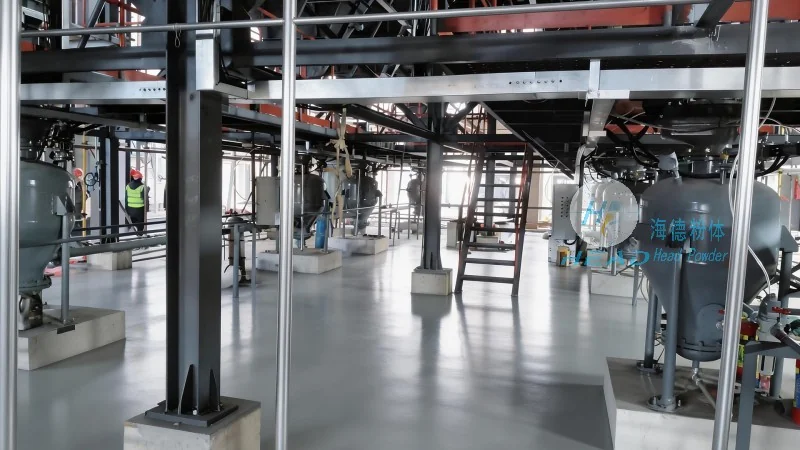
Key Components and Their Functional Roles
The dry mix mortar material handling system comprises several core components, each with a specific function. The feed hopper is the initial component, responsible for receiving and temporarily storing the dry mortar mix. It is typically equipped with a discharge valve that controls the flow of material into the conveyor system. The conveyor system, which may include belt conveyors, screw conveyors, or pneumatic conveyors, transports the material to the storage silo or directly to the mixing station. The storage silo, often a large vertical container, holds bulk quantities of material, ensuring a steady supply. The control panel integrates sensors, motors, and a user interface, allowing operators to monitor and adjust system parameters such as flow rate, pressure, and temperature. This component ensures the system operates within optimal conditions, preventing overloading or underflow.
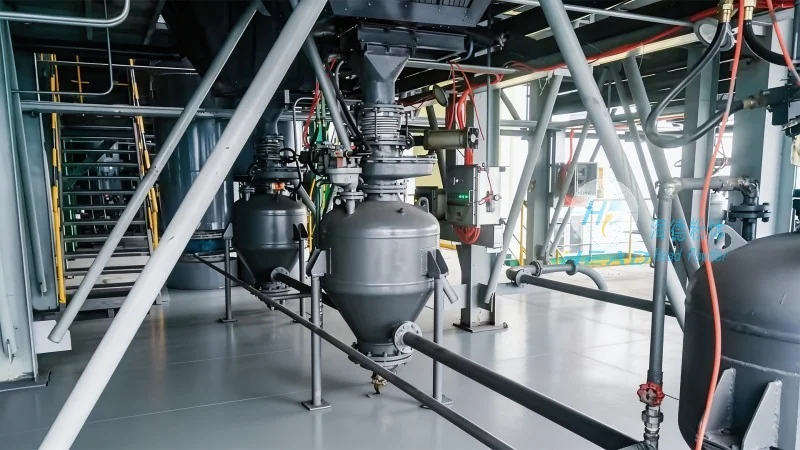
Step-by-Step Operation Process
The operation of a dry mix mortar material handling system begins with the loading of dry mortar mix into the feed hopper. The material is then released into the conveyor system, which moves it forward through a series of rollers or screws. The conveyor system is powered by an electric motor, which adjusts the speed based on the material's characteristics and the desired flow rate. The material is then transferred to the storage silo, where it is stored under controlled conditions. The control panel continuously monitors the system's performance, providing real-time data on flow rates, pressure, and temperature. If any parameter deviates from the set points, the control panel triggers an alert or automatically adjusts the system to maintain optimal operation. This automated process ensures a consistent and reliable supply of material to the mixing station, minimizing downtime and maximizing productivity.
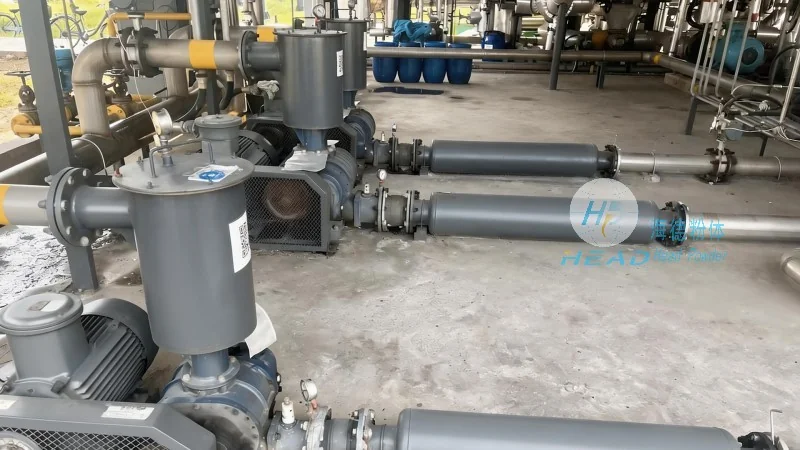
Working Principle: Mechanical and Pneumatic Integration
The working principle of the dry mix mortar material handling system combines mechanical and pneumatic technologies to achieve efficient material transport. The feed hopper utilizes gravity to feed the material into the conveyor system, eliminating the need for additional power for initial material movement. The conveyor system, whether a belt or screw type, uses mechanical force to move the material forward. Belt conveyors are ideal for transporting bulk materials over long distances, while screw conveyors are suitable for vertical or inclined transport. Pneumatic systems may be used in conjunction with the conveyor system to regulate pressure and assist in material flow, especially in systems handling fine powders. The control panel integrates sensors (e.g., level sensors, pressure sensors) and feedback mechanisms to adjust the system's operation dynamically. For example, if the material level in the storage silo drops, the control panel signals the feed hopper to release more material, ensuring a continuous flow. This integration of mechanical and pneumatic components ensures the system operates smoothly and efficiently, adapting to varying material types and project requirements.
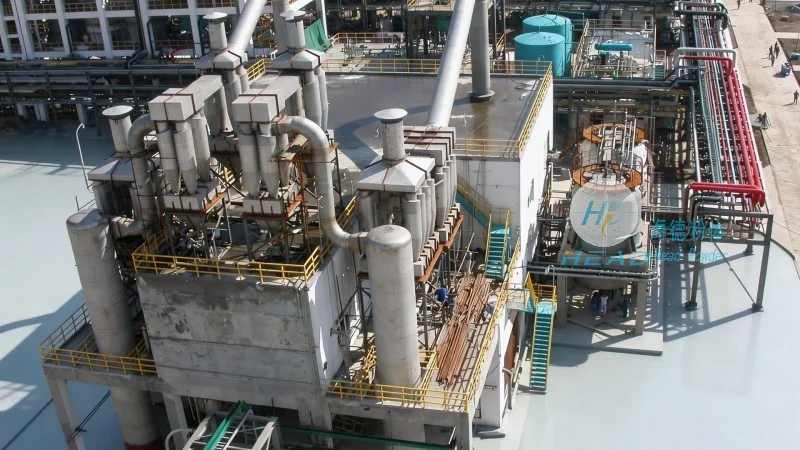
Advantages and Applications
Implementing a dry mix mortar material handling system offers numerous advantages for construction projects. These systems enhance material flow efficiency, reducing the time and labor required for manual handling. By maintaining consistent moisture content and preventing contamination, the system ensures the quality of the mortar mix, which is critical for structural integrity. The automated operation minimizes human error, reducing the risk of material defects or project delays. Additionally, the system's ability to handle large quantities of material supports larger construction projects, such as residential developments, commercial buildings, and infrastructure projects. The durability and reliability of the equipment ensure long-term performance, providing a cost-effective solution for construction companies. Overall, the dry mix mortar material handling system is a vital tool for modern construction, improving productivity, quality, and operational efficiency.