

Operation Process and Working Principle of Catalyst Material Conveying Lines
Shandong HeadPowder Engineering Co., Ltd. specializes in the design, manufacturing, and installation of industrial conveying systems, focusing on catalyst material handling solutions. The company’s expertise lies in creating efficient and reliable systems tailored to the unique requirements of various industrial processes.
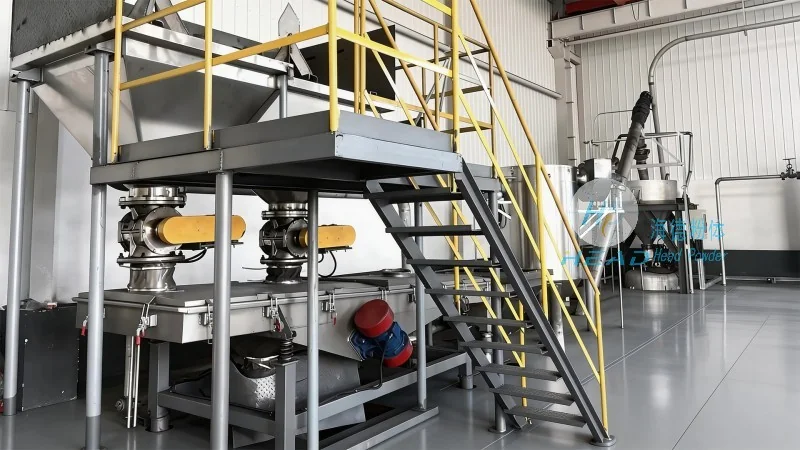
Overview of Catalyst Material Conveying Lines
Catalyst material conveying lines are essential components in industrial facilities that handle bulk materials, particularly catalyst powders used in chemical reactions and processes. These systems are designed to transport catalysts from storage to processing units, ensuring a continuous and controlled flow. The systems are engineered to maintain material integrity, minimize dust generation, and comply with safety and environmental regulations.
Key Components and Their Functions
The typical components of a catalyst material conveying line include a hopper or silo for material storage, a feeder to regulate material flow, a conveyor system (such as screw or belt conveyor), and a control panel for monitoring and operation. The hopper ensures a consistent supply of material, while the feeder controls the rate at which material is released into the conveyor. The conveyor system transports the material to the next stage of the process, such as a reactor or storage tank. The control panel allows operators to adjust parameters like speed, pressure, and flow rate to optimize performance.
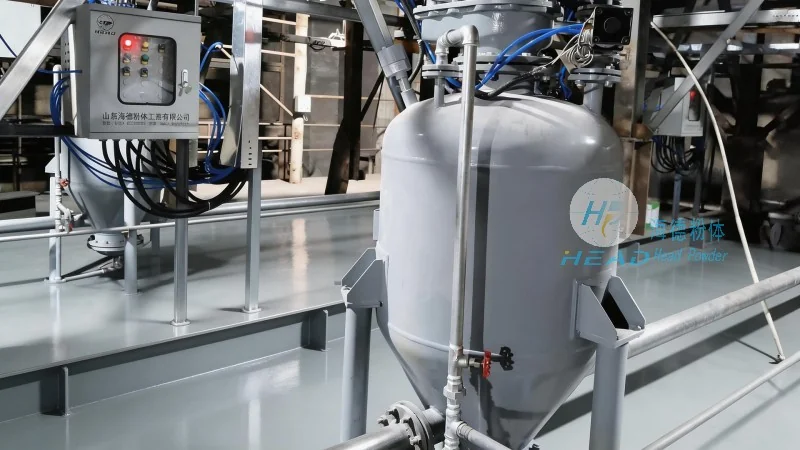
Operation Process of Catalyst Material Conveying Lines
The operation of a catalyst material conveying line begins with the loading of raw catalyst material into the storage hopper. The material is then discharged from the hopper into the feeder, which regulates the flow rate based on the system’s requirements. The feeder feeds the material into the conveyor system, which transports it to the processing unit or storage location. During operation, the system is continuously monitored for flow rates, pressure, and temperature to ensure optimal performance. Regular maintenance, including cleaning and lubrication of components, is performed to prevent blockages and maintain efficiency. The system is designed to handle variations in material properties, such as moisture content or particle size, to ensure consistent operation.
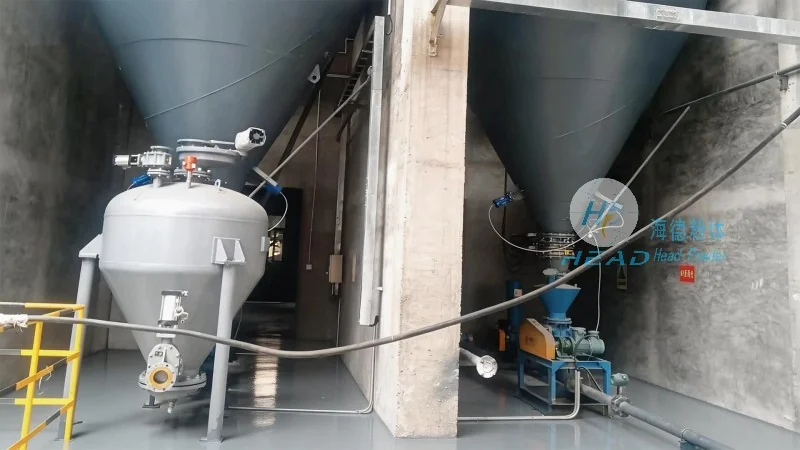
Working Principle of Catalyst Material Conveying Lines
The working principle of a catalyst material conveying line involves the transfer of bulk materials through mechanical or pneumatic means. Mechanical systems, such as screw conveyors, use rotating screws to move material along a helical path. The screw’s rotation creates a positive displacement, pushing the material forward. Belt conveyors, on the other hand, use a continuous belt that moves material by friction. Pneumatic systems utilize compressed air to create a flow of material through pipes, where the material is carried by the air stream. The choice of system depends on factors like material density, abrasiveness, and the need for dust control. The system is designed to handle the specific characteristics of catalyst materials, ensuring that the material is conveyed without degradation or loss of quality. Control systems are integrated to regulate the flow and speed, providing consistent performance throughout the process.
Benefits and Applications
Catalyst material conveying lines offer several benefits, including improved efficiency, reduced labor costs, and enhanced safety. By automating the material handling process, these systems minimize the risk of human error and exposure to hazardous materials. The systems are widely used in industries such as petrochemical, pharmaceutical, and food processing, where catalysts are used in various reactions and processes. The ability to handle large volumes of material at a controlled rate makes these systems essential for maintaining production throughput and quality.