

Operation Process and Working Principle of Cement Granular Material Conveying Line
At Shandong HeadPowder Engineering Co., Ltd., we specialize in the design, manufacturing, and implementation of advanced cement granular material conveying systems. These lines are engineered to efficiently transport bulk cement and similar granular materials over long distances with minimal loss and maximum reliability. The operation of such systems is critical for industrial applications, ensuring smooth production workflows and consistent material handling. Our expertise lies in creating customized solutions that meet the specific needs of our clients, whether for new installations or upgrades to existing systems.
Key Components and Their Roles
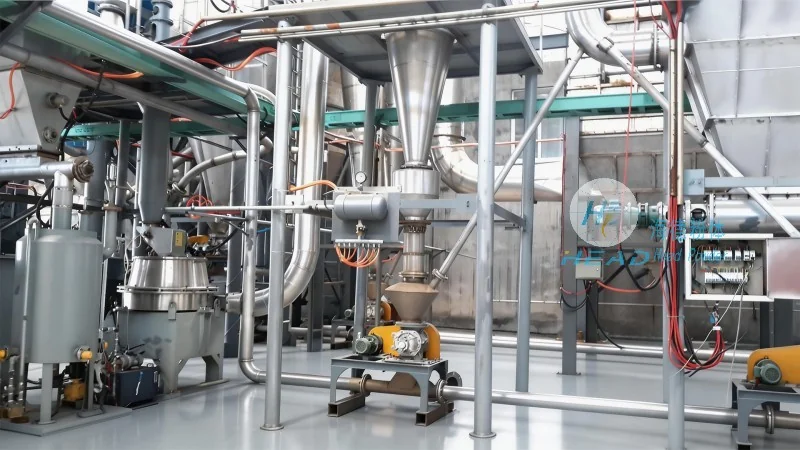
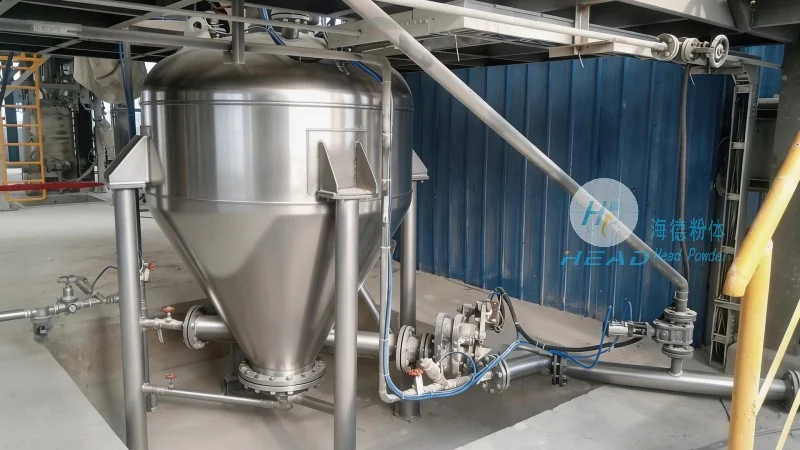
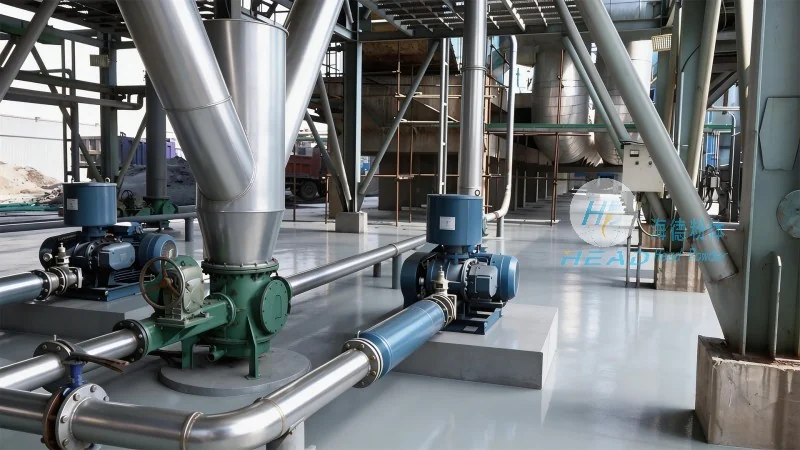
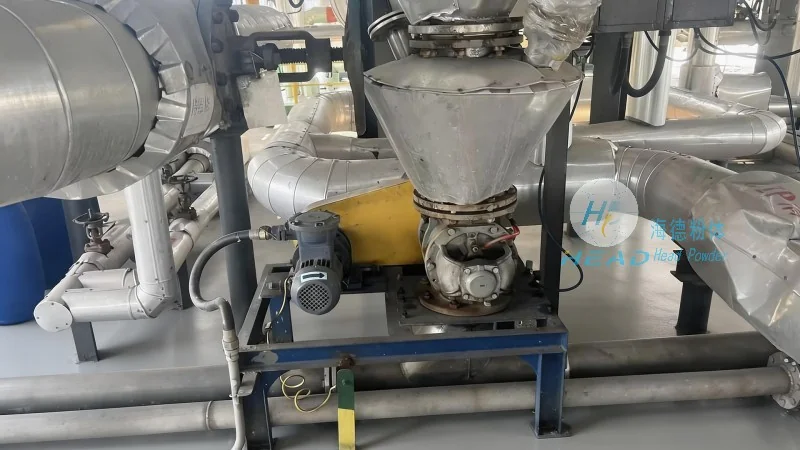
The cement granular material conveying line typically consists of several key components, each playing a vital role in the overall system. These include feed hoppers, conveyor belts or screw conveyors, control panels, and discharge mechanisms. The feed hopper is responsible for receiving and storing the raw cement granules, ensuring a steady supply to the conveyor. It is often equipped with a gate or valve to regulate the flow rate, preventing overloading or underflow. The conveyor system, which can be either a belt conveyor or a screw conveyor depending on the material characteristics and application requirements, transports the cement from the hopper to the discharge point. Belt conveyors are ideal for transporting large volumes of material over long distances, while screw conveyors are better suited for vertical or inclined transport. The control panel manages the speed, direction, and operational status of the conveyor, allowing for precise control and monitoring. It may include sensors for material level, temperature, and vibration, as well as alarms for abnormal conditions. Finally, the discharge mechanism ensures the cement is released at the correct location, ready for further processing or distribution. This could be a chute, a bin, or a direct connection to the next production stage.
Working Principle of the Conveying Process
The working principle of a cement granular material conveying line involves a series of coordinated steps to move the material from the source to the destination. Initially, the cement granules are fed into the hopper from a storage silo or truck. The hopper’s design, often with a sloped bottom, facilitates the flow of material into the conveyor. The hopper may also include a pre-screening or cleaning mechanism to remove large debris or foreign objects before the material enters the conveyor. As the material enters the conveyor, it is propelled forward by the rotating blades of a screw conveyor or the moving belt of a belt conveyor. The speed of the conveyor is controlled by the system’s control panel, which adjusts based on the material load and desired throughput. For example, if the hopper is nearly empty, the conveyor speed may increase to maintain the flow rate. Conversely, if the hopper is full, the speed may decrease to prevent overloading. The conveyor transports the cement to the discharge point, where it is released into a storage bin or directly to the next stage of production. Throughout the process, sensors and monitoring systems track the material level, conveyor speed, and operational status, providing real-time data to operators and ensuring the system operates efficiently and safely. This data can be used to optimize the system’s performance, reduce energy consumption, and predict maintenance needs.