

Operation Process and Working Principle of Magnesium Silicate Material Handling System
Shandong HeadPowder Engineering Co., Ltd., a leading manufacturer in the field of material handling solutions, specializes in providing efficient and reliable systems for transporting magnesium silicate materials. The company, commonly known as HeadPowder, has established itself as a trusted partner for industries requiring robust material handling equipment. With a focus on innovation and precision engineering, HeadPowder's systems are designed to meet the diverse needs of clients across various sectors.
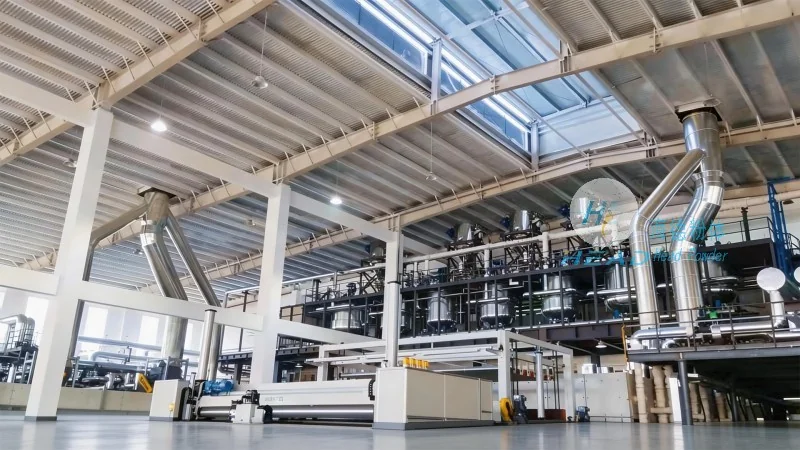
The magnesium silicate material handling system is engineered to handle the unique characteristics of magnesium silicate, ensuring safe and efficient transportation from the source to the destination. This system integrates advanced mechanical components and intelligent control mechanisms to optimize material flow and minimize operational downtime. The design incorporates features such as durable construction, low maintenance requirements, and adaptability to different operational environments.
Step-by-Step Operation Process
The operation of the magnesium silicate material handling system begins with the initiation of the control system. Once activated, the system undergoes a series of pre-start checks to ensure all components are in proper working condition. This includes verifying the status of the motor, conveyor belts, and any sensors used for monitoring material levels or flow rates. After the checks are completed successfully, the system proceeds to the material loading phase.
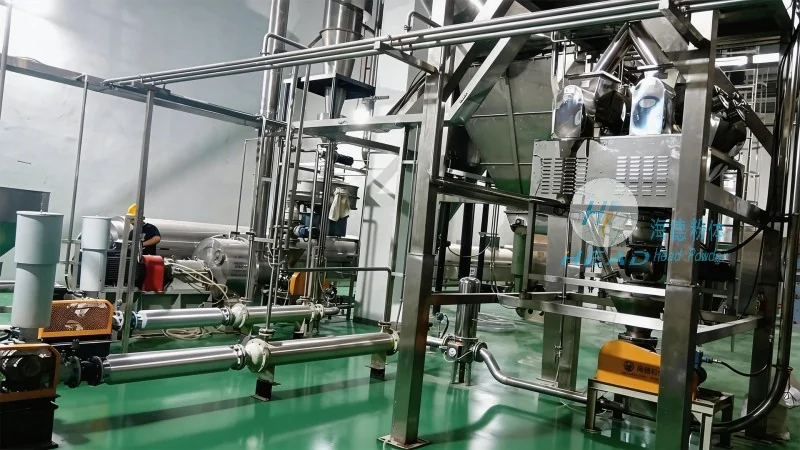
During the loading phase, magnesium silicate material is fed into the system through a hopper or feeder. The material is then transferred to the primary conveyor belt, which transports it through the system. The conveyor system is equipped with adjustable speed controls, allowing operators to regulate the flow rate based on the material's properties and the system's capacity. As the material moves, it passes through any intermediate processing stages, such as screening or blending, if required by the application.
The system's control panel provides real-time monitoring of key parameters, including material flow rate, conveyor speed, and system pressure. Operators can adjust settings dynamically to maintain optimal performance. In case of any anomalies, such as blockages or overloads, the system is equipped with safety sensors that trigger automatic shutdowns to prevent damage to equipment or material loss. Once the material reaches the discharge point, it is collected in a storage bin or transported to the next processing stage, completing the cycle.
Working Principle of the System
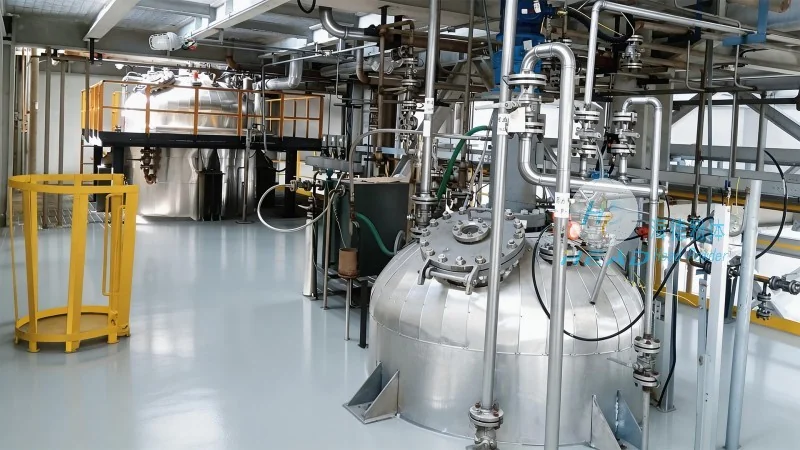
The magnesium silicate material handling system operates on the principle of mechanical transport, utilizing a combination of gravity and motor-driven forces to move materials through the system. The core components include a hopper for material storage, a conveyor system for horizontal or inclined transport, and a control unit for managing the entire process. The hopper is designed with a sloped bottom to facilitate material flow into the conveyor belt, reducing the risk of material bridging or clogging.
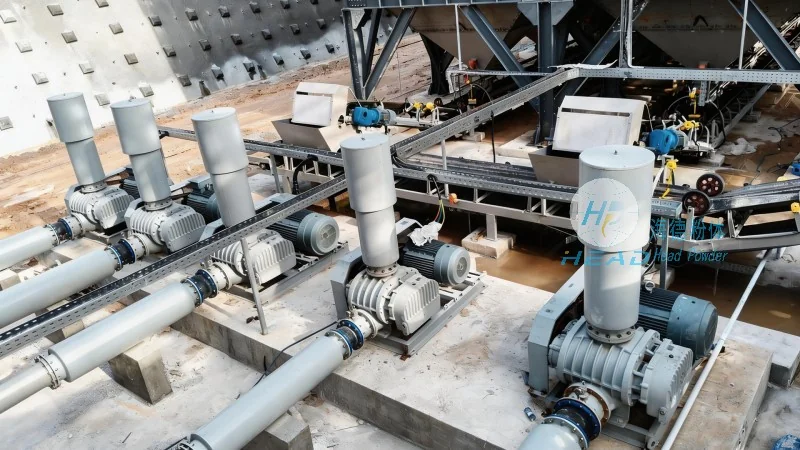
The conveyor system typically consists of a series of rollers or a belt that is driven by an electric motor. The motor is connected to a gearbox that adjusts the speed and torque of the conveyor, ensuring smooth and consistent material movement. Sensors are strategically placed along the conveyor to detect the presence of material and monitor its position. These sensors feed data to the control unit, which processes the information to adjust the system's operation accordingly.
The control unit, often a programmable logic controller (PLC), manages the entire operation by receiving inputs from various sensors and sending commands to the motor and other components. It can be programmed to follow specific sequences, such as starting the conveyor after the hopper is filled to a certain level, or stopping the system if a blockage is detected. The system also includes safety features, such as emergency stop buttons and overload protection, to ensure the safety of operators and the integrity of the equipment.