

Operation Process and Working Principle of Limestone Material Handling Systems
HeadPowder, a leading engineering company based in Shandong, China, specializes in the design, manufacturing, and installation of advanced material handling systems. This article provides a detailed overview of the operation process and working principle of limestone material handling systems, which are crucial for efficient and reliable transportation of limestone in various industrial applications.
Introduction to Limestone Material Handling Systems
Limestone is a widely used raw material in industries such as cement production, construction, and chemical manufacturing. Efficient transportation of limestone from quarries to processing facilities is essential for maintaining production efficiency and reducing operational costs. Limestone material handling systems are engineered to handle the bulk material with precision, ensuring minimal loss and maximum throughput. These systems typically consist of a combination of equipment including conveyors, feeders, and storage silos, all integrated to form a seamless material flow process.
Key Components of the Limestone Material Handling System
The limestone material handling system at HeadPowder is composed of several critical components that work in tandem to achieve optimal performance. The primary components include:
- Quarry Excavation Equipment: Heavy machinery such as excavators and loaders are used to extract limestone from the quarry. This step involves breaking and loading the raw material into transport trucks or directly into the conveyor system.
- Conveyor System: A network of belt conveyors or chain conveyors is employed to transport limestone from the quarry to the processing plant. The conveyor system is designed to handle large volumes of material with minimal maintenance and high durability.
- Feeder and Diverter: A feeder mechanism is used to regulate the flow of limestone from the conveyor to the next processing stage. The diverter allows for the material to be directed to different storage silos or processing units based on operational requirements.
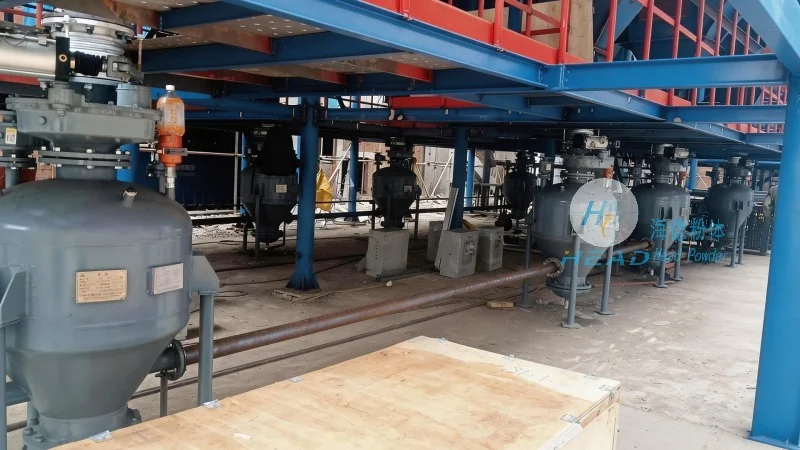
- Storage Silos: Large storage silos are used to store the limestone before it is fed into the processing equipment. These silos are equipped with aeration systems to prevent material bridging and ensure smooth discharge.
- Processing Equipment: The limestone is then processed through grinding mills, crushers, or other equipment to achieve the desired particle size and quality.
Operation Process of the Limestone Material Handling System
The operation process of the limestone material handling system at HeadPowder follows a systematic sequence to ensure continuous and efficient material flow. The process begins with the extraction of limestone from the quarry using heavy machinery. The extracted material is then loaded onto the conveyor system, which transports it to the processing plant. The conveyor system is equipped with sensors and control systems to monitor the material flow and adjust the speed as needed.
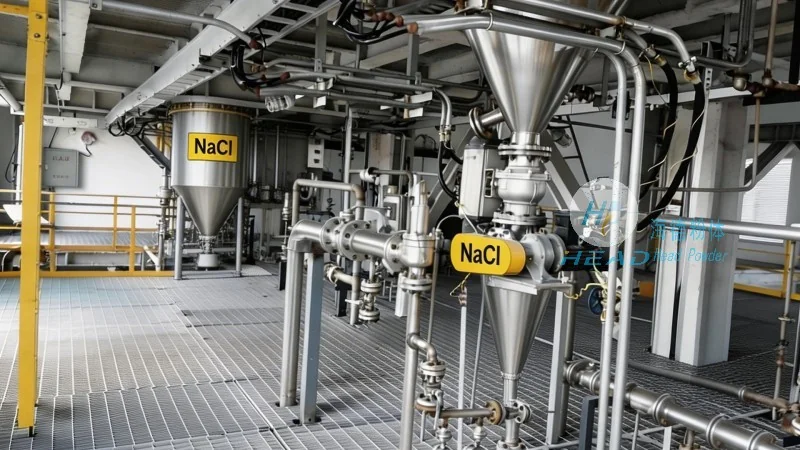
Once the limestone reaches the processing plant, it is fed into the feeder and diverter system. The feeder regulates the flow rate, ensuring a consistent supply to the processing equipment. The diverter then directs the material to the appropriate storage silo or processing unit. The storage silos are designed to accommodate large volumes of material and maintain a stable pressure for smooth discharge.
The processed limestone is then transferred to the next stage of the production process, such as cement production or construction material manufacturing. The entire system is monitored and controlled by a central control room, which allows operators to adjust parameters in real-time to optimize performance.
Working Principle of the Limestone Material Handling System
The working principle of the limestone material handling system is based on the principles of mechanical transport and material flow control. The system utilizes gravity and mechanical force to move the limestone from one point to another. The conveyor system uses a belt or chain to transport the material, while the feeder and diverter use mechanical components to regulate the flow rate and direction.
The storage silos use aeration systems to prevent material bridging and ensure smooth discharge. The processing equipment, such as grinding mills, uses mechanical grinding to reduce the particle size of the limestone. The entire system is integrated with sensors and control systems to monitor and adjust the operation parameters, ensuring optimal performance and minimal downtime.
Advantages of the Limestone Material Handling System
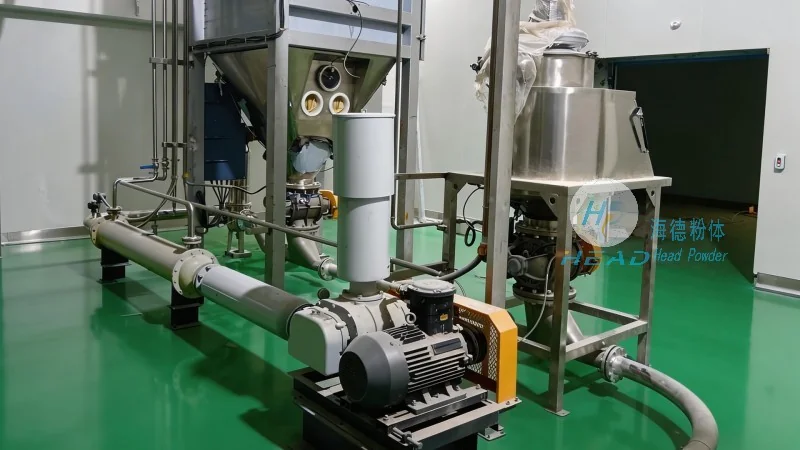
The limestone material handling system designed by HeadPowder offers several advantages over traditional methods. The system is highly efficient, with minimal material loss and high throughput. The use of advanced control systems ensures precise regulation of the material flow, reducing the need for manual intervention. The system is also durable and low-maintenance, with long service life and minimal downtime.
Additionally, the system is designed to be flexible and adaptable to different operational requirements. The diverter and feeder systems allow for easy reconfiguration of the material flow, enabling the system to handle different types of limestone or adjust to changes in production demand. The storage silos provide a buffer capacity, ensuring a continuous supply of material even during maintenance or operational disruptions.
Conclusion
HeadPowder's limestone material handling system is a state-of-the-art solution for efficient and reliable transportation of limestone in industrial applications. The system's design and operation are based on advanced engineering principles, ensuring optimal performance and minimal operational costs. With its robust components and integrated control systems, the system is ideal for industries that require high-volume and consistent material supply. HeadPowder continues to innovate and improve its material handling systems to meet the evolving needs of the industry.