

Operation Process and Working Principle of Potassium Chloride Material Handling System
For industrial applications involving the transportation of potassium chloride, understanding the operation process and working principle of the material handling system is crucial. This system is designed to efficiently and safely move potassium chloride from storage to processing or packaging areas, ensuring optimal performance and reliability in various industrial settings.
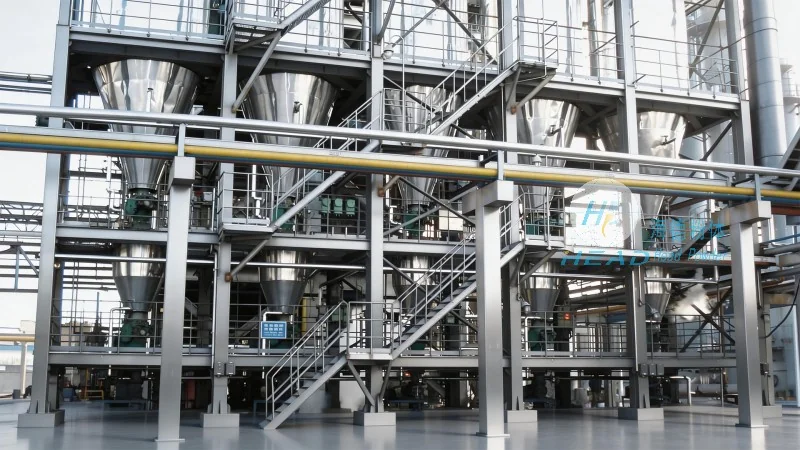
Overview of the Potassium Chloride Material Handling System
The potassium chloride material handling system is a specialized setup that integrates multiple components to facilitate the movement of this chemical compound. Key elements include storage silos, conveyor systems, feeding mechanisms, and control units. Each component plays a vital role in the seamless operation of the entire system, ensuring that the material is handled with precision and minimal risk of contamination or loss.
Key Components and Their Functions
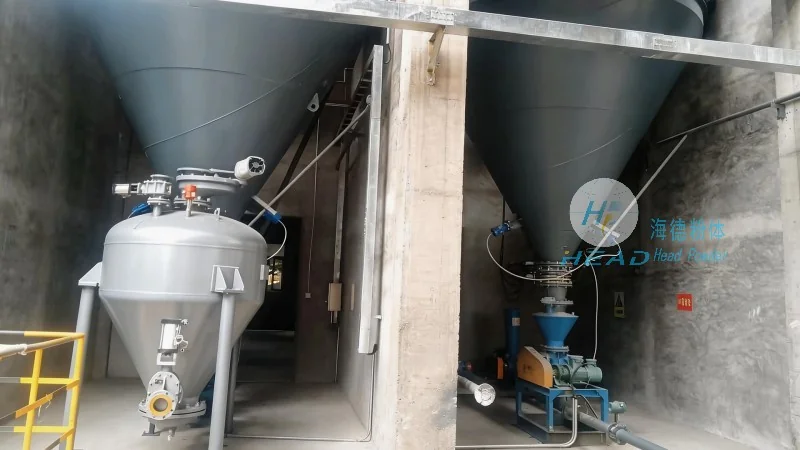
1. Storage Silos: These large, airtight containers are used to store bulk quantities of potassium chloride. They are designed to maintain the material's quality and prevent moisture absorption, which could affect its properties. The silos are typically equipped with level sensors to monitor the material's height and alert operators when refilling is needed.
2. Conveyor Systems: The heart of the material handling process, conveyor systems transport potassium chloride from the storage silos to the processing or packaging stages. These systems can include belt conveyors, screw conveyors, or pneumatic conveyors, depending on the specific requirements of the application. The choice of conveyor type is critical for ensuring smooth material flow and preventing blockages or material degradation.
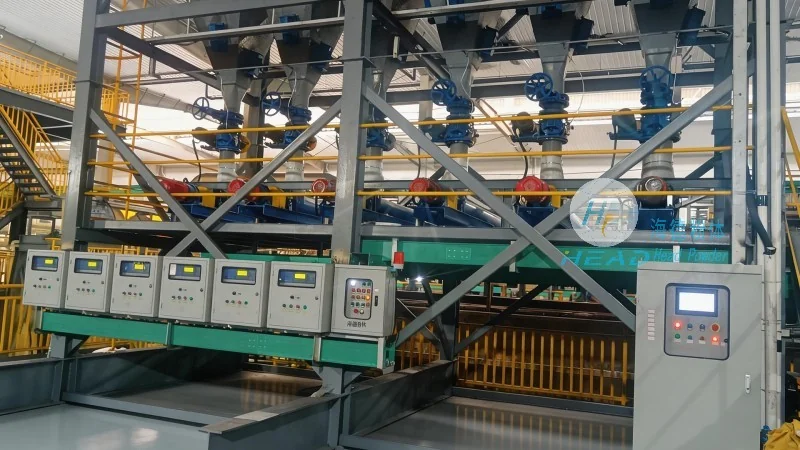
3. Feeding Mechanisms: After the material is discharged from the silos, feeding mechanisms such as rotary valves or feeders regulate the flow rate and consistency. These components ensure that the correct amount of potassium chloride is fed into the conveyor system, preventing overloading or underfeeding that could disrupt the entire process.
4. Control Units: Modern material handling systems are equipped with advanced control units that monitor and manage all operational parameters. These units use sensors and automation technology to adjust conveyor speeds, feeding rates, and other variables in real-time, optimizing the system's performance and ensuring safety standards are met.
Operation Process of the System
The operation process of the potassium chloride material handling system begins with the loading of the storage silos. Once the silos are filled, the system starts by activating the feeding mechanism, which draws the material from the silo and feeds it into the conveyor system. The conveyor then transports the material to the processing or packaging area, where it is further handled as per the specific industrial requirements.
During operation, the control units continuously monitor the system's performance. If any issues arise, such as a blockage in the conveyor or a low level in the silo, the control unit triggers an alarm and adjusts the system parameters to resolve the problem. This automated monitoring ensures that the system operates efficiently and minimizes downtime.
Working Principle of the System
The working principle of the potassium chloride material handling system is based on the principles of material flow and automation. The system uses gravity or mechanical force to move the material from the storage silos to the processing stages. The feeding mechanisms control the flow rate, while the conveyor systems provide the necessary force to transport the material over long distances or vertical elevations.
Automation plays a crucial role in the system's working principle. Sensors and control units work together to ensure that the material is handled consistently and safely. For example, level sensors in the silos detect when the material level drops below a certain threshold, triggering the system to refill the silo. Similarly, conveyor speed sensors monitor the material flow rate and adjust the conveyor speed to maintain a steady flow.
Benefits of the Potassium Chloride Material Handling System
The implementation of a specialized material handling system for potassium chloride offers several benefits. Firstly, it enhances operational efficiency by ensuring a continuous and consistent flow of material, reducing downtime and increasing productivity. Secondly, it improves safety by minimizing manual handling of the material, which can be hazardous. Thirdly, it maintains the quality of the potassium chloride by preventing contamination and moisture absorption during storage and transportation.
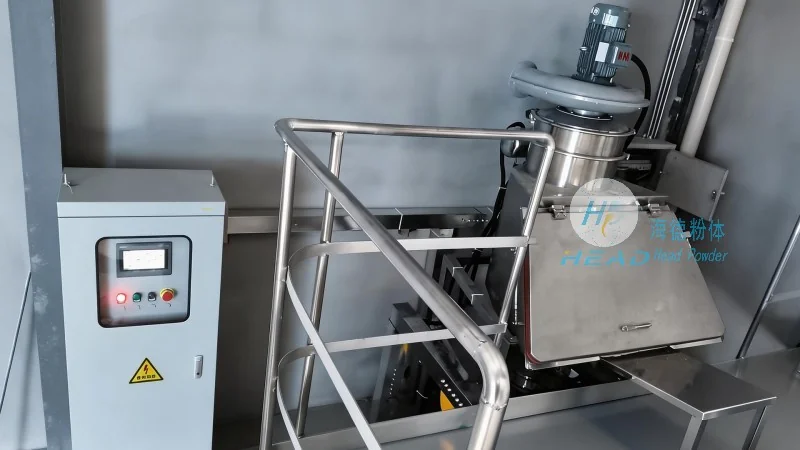
Additionally, the system's automation capabilities allow for precise control over operational parameters, leading to cost savings and reduced labor costs. By optimizing the material flow and reducing waste, the system contributes to the overall economic viability of the industrial process.
About Shandong HeadPowder Engineering Co., Ltd.
Shandong HeadPowder Engineering Co., Ltd., commonly known as headpowder, is a leading manufacturer and supplier of material handling systems for various industrial applications. With a strong focus on innovation and quality, the company has established itself as a trusted partner in the chemical and industrial sectors. Headpowder's expertise lies in designing and manufacturing customized material handling solutions that meet the specific needs of its clients.
Headpowder's team of engineers and technicians works closely with clients to understand their operational requirements and develop tailored solutions. The company's products are known for their durability, efficiency, and reliability, making them suitable for demanding industrial environments. Headpowder's commitment to customer satisfaction and technological advancement has earned it a reputation for excellence in the industry.
Headquartered in Shandong, China, headpowder serves clients both domestically and internationally, providing comprehensive support from design and manufacturing to installation and maintenance. The company's state-of-the-art facilities and advanced manufacturing processes ensure that its products meet the highest standards of quality and performance.