

Operation Process and Working Principle of Calcined Ash Material Conveying System
Shandong HeadPowder Engineering Co., Ltd., commonly known as headpowder, specializes in the design, manufacturing, and installation of industrial conveying systems. Based in Shandong, China, the company has established itself as a leading provider of efficient and reliable solutions for material handling in various industrial applications. This article focuses on the operation process and working principle of a calcined ash material conveying system, highlighting the key components, operational flow, and technical aspects that contribute to its effectiveness.
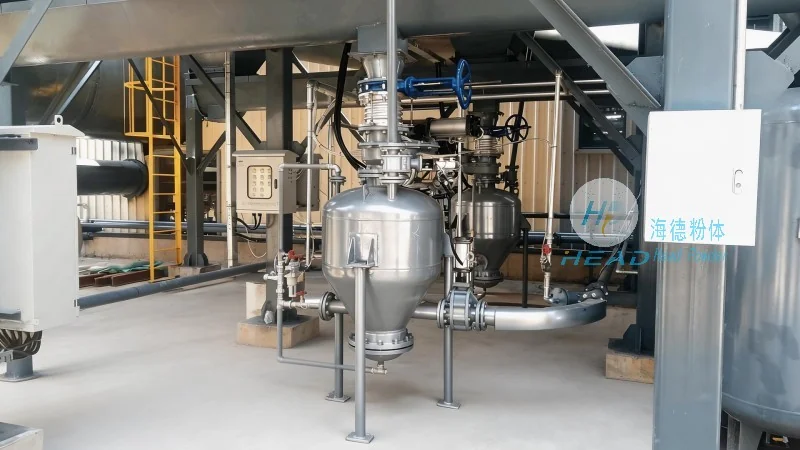
System Overview
The calcined ash material conveying system is a specialized equipment designed to transport calcined ash, a byproduct of the calcination process, from its source to the designated storage or processing location. This system is crucial in industries such as power generation, cement production, and metallurgy, where the efficient handling of calcined ash is essential for maintaining operational efficiency and environmental compliance. The system typically consists of several key components, including feed hoppers, conveyor belts or screw conveyors, control panels, and safety mechanisms, all working in tandem to ensure smooth and continuous material transport.
Main Components and Structure
The calcined ash material conveying system is engineered with precision to handle the unique characteristics of calcined ash, which may include high temperature, abrasive properties, and varying particle sizes. The system's design incorporates robust materials and advanced engineering to withstand the demanding conditions of industrial environments. Key components include:
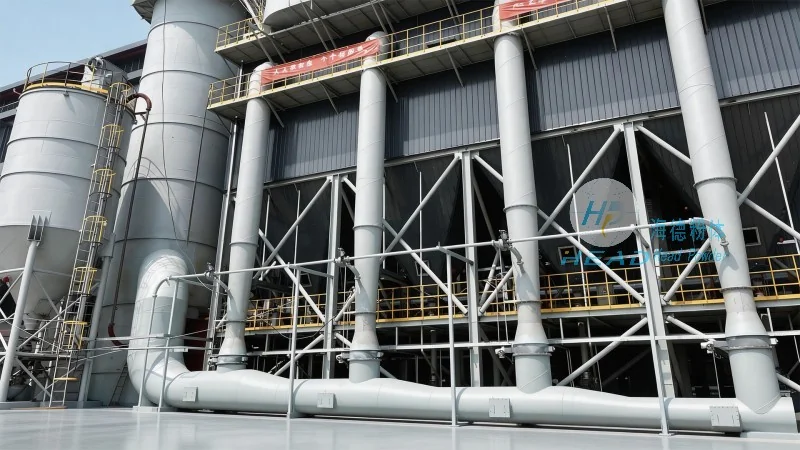
- Feed Hopper: A large, hopper-shaped container that collects the calcined ash from the calcination unit. It is equipped with a discharge valve or gate to regulate the flow of material into the conveyor system.
- Conveyor Mechanism: Depending on the specific application, the system may use a belt conveyor, screw conveyor, or pneumatic conveyor. Belt conveyors are commonly used for horizontal and slight incline transport due to their high load capacity and ability to handle abrasive materials. Screw conveyors are ideal for vertical or inclined transport, providing a compact solution for space-constrained areas.
- Drive System: An electric motor or hydraulic system powers the conveyor mechanism, ensuring consistent and adjustable speed control. The drive system is integrated with a control panel that allows operators to monitor and adjust the conveyor speed, flow rate, and other operational parameters.
- Safety and Monitoring: The system includes safety features such as emergency stop buttons, overload protection, and temperature sensors to prevent accidents and ensure safe operation. Real-time monitoring systems provide operators with data on material flow, conveyor speed, and system performance, enabling proactive maintenance and troubleshooting.
Detailed Operation Process
The operation of the calcined ash material conveying system follows a systematic sequence to ensure efficient material transport. The process begins with the collection of calcined ash in the feed hopper. As the hopper fills, the discharge valve opens, allowing the material to flow into the conveyor mechanism. The drive system then activates, moving the material along the conveyor path. The conveyor speed is controlled by the operator or an automated control system, which adjusts based on the material flow rate and system load. The material is transported to the discharge point, where it is deposited into a storage silo or transferred to the next processing stage. Throughout the operation, the control panel monitors key parameters, such as conveyor speed, material level in the hopper, and system temperature, ensuring that the process runs smoothly and within safe operational limits.
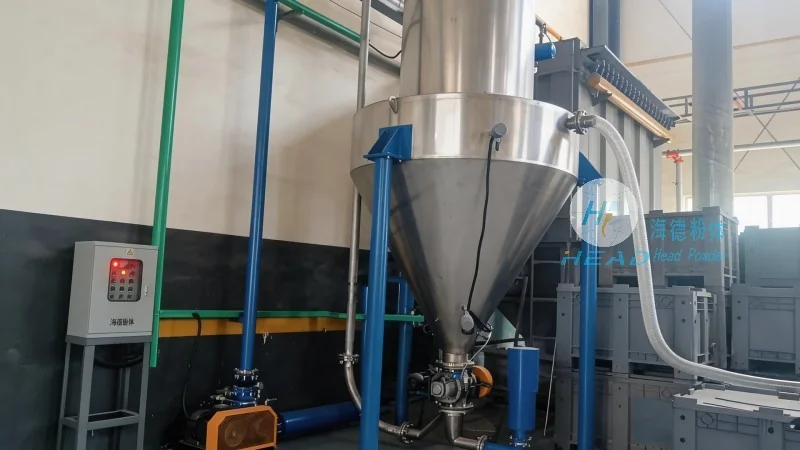
Working Principle Analysis
The working principle of the calcined ash material conveying system is based on the mechanical transport of material through a conveyor mechanism. The system utilizes the principles of gravity and mechanical force to move the calcined ash from the feed point to the discharge point. In belt conveyors, the material is placed on the moving belt and carried forward by the belt's motion. The belt is driven by a motor, which rotates the pulleys, creating the necessary tension and speed for material transport. Screw conveyors operate by rotating a screw within a tube, pushing the material forward as the screw turns. The rotation speed of the screw determines the transport rate, and the pitch of the screw (distance between threads) affects the material's flow characteristics. Pneumatic conveyors use compressed air to create a flow of material through a pipeline, where the material is carried by the air stream. The choice of conveyor type depends on factors such as the material's properties, the distance to be transported, and the available space. The system's control system ensures that the conveyor operates at an optimal speed and flow rate, minimizing energy consumption and maximizing efficiency.
System Advantages and Benefits
The calcined ash material conveying system offers several advantages that make it a preferred choice for industrial applications. These include: