

Operation Process and Working Principle of Cassava Material Handling Systems
For agricultural processing enterprises, the efficient handling of cassava raw materials is a critical factor in ensuring production continuity and product quality. The cassava material handling system, as an essential part of the processing line, plays a key role in the entire production process. This system is designed to handle, transport, and store cassava from the initial reception stage to the subsequent processing steps, ensuring smooth workflow and optimal material utilization. The following content will detail the operation process and working principle of such a system, highlighting the key components and operational mechanisms.
Key Components of the Cassava Material Handling System
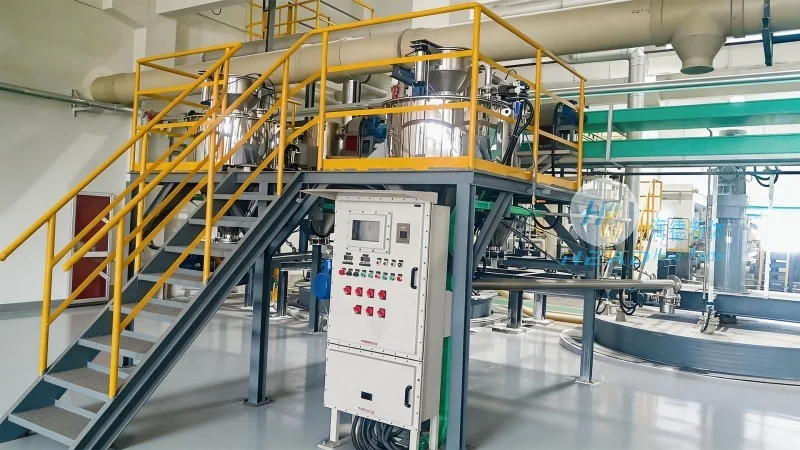
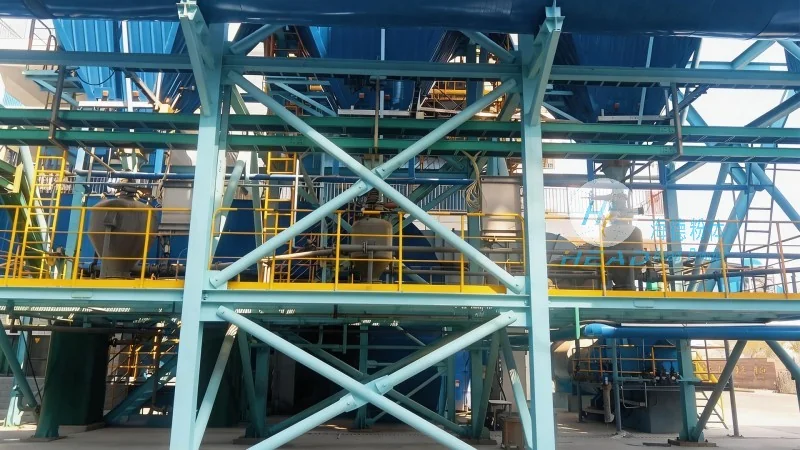
The cassava material handling system typically consists of several core components that work in coordination to achieve efficient material transport. The main components include reception and storage facilities, feeding and conveying equipment, processing equipment, and material handling tools. Reception and storage facilities are responsible for receiving raw cassava from the field or storage areas and storing it in a way that prevents spoilage and maintains quality. This may involve silos, storage tanks, or open-air storage areas equipped with moisture control systems. Feeding and conveying equipment includes devices such as feeders, conveyors (e.g., belt conveyors, screw conveyors), and elevators that transport cassava from storage to processing areas. Processing equipment includes machines like washers, peeling machines, and grinders that process the cassava into usable forms. Material handling tools may include loaders, forklifts, and other equipment to move materials between different stages of the system. Each component is designed to work in harmony, ensuring that the entire system operates efficiently and reliably.
Operation Process of the Cassava Material Handling System
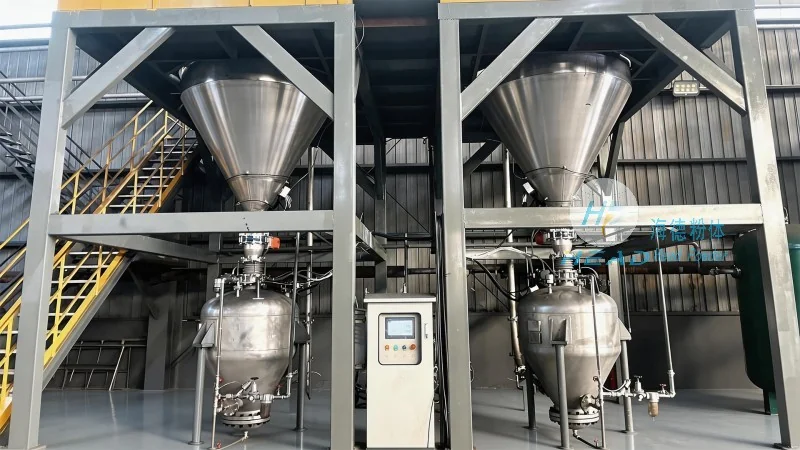
The operation process of the cassava material handling system generally follows a sequential workflow, starting from the reception of raw cassava and ending with the delivery of processed material to the next stage of production or storage. The first step is the reception of raw cassava. Cassava is typically delivered to the processing plant by trucks or other transport vehicles. Upon arrival, the material is unloaded from the vehicles and transferred to the reception area. Here, the cassava is inspected for quality and sorted, with any damaged or spoiled tubers removed. The material is then moved to the storage facilities for temporary storage. Storage facilities are designed to maintain the quality of the cassava by controlling temperature, humidity, and ventilation. This prevents the cassava from rotting or developing mold, which could affect the final product quality. The next step is the feeding of cassava from storage into the conveying system. A feeder, such as a rotary valve or a screw feeder, regulates the flow of cassava from the storage silo into the conveyor. The conveyor then transports the cassava to the processing area. In the processing area, the cassava undergoes several preparation steps. First, it is washed to remove dirt and debris. Then, it is peeled to remove the outer skin, which is often done using a mechanical peeler. After peeling, the cassava is cut into smaller pieces or grated, depending on the final product requirements. The processed cassava is then moved to the next stage of the production line or to a storage area for later use. The entire process is designed to be continuous, with each step seamlessly connected to the next to minimize downtime and maximize throughput. The system also includes safety features, such as emergency stop buttons and overload protection, to ensure the safety of operators and equipment.
Working Principle of the Cassava Material Handling System
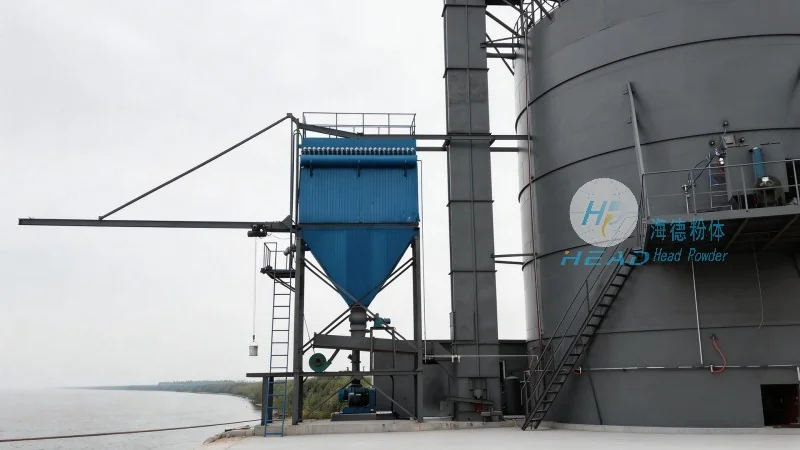
The working principle of the cassava material handling system is based on mechanical and hydraulic systems that ensure the smooth movement of materials. The core principle is to use gravity, mechanical force, or hydraulic pressure to transport cassava from one location to another. For example, belt conveyors use a series of rollers and a moving belt to carry cassava. The belt is driven by a motor, which rotates the rollers and moves the belt forward. As the belt moves, cassava placed on the belt is transported to the next location. Screw conveyors use a rotating screw to push the material forward. The screw is driven by a motor, and as it rotates, it pushes the cassava along the length of the conveyor. Elevators use a vertical conveyor to lift cassava from lower to higher levels. The elevator consists of a vertical shaft with a belt or chain that carries the cassava upward. The system also incorporates control systems that monitor the flow of materials and adjust the speed or direction of the conveying equipment as needed. Sensors, such as level sensors and flow meters, are used to detect the amount of material in storage and the rate of material flow. The control panel then adjusts the feeding rate of the feeder or the speed of the conveyor to maintain a consistent flow. This ensures that the system operates efficiently and safely, preventing overloading or underloading of equipment. Additionally, the system may include cleaning and maintenance features to ensure that the equipment remains in good working condition. For example, some conveyors have self-cleaning mechanisms to remove debris from the belt, and processing equipment may have automatic cleaning cycles to maintain hygiene standards.