

Operation Process and Working Principle of Desulfurization and Denitrification Agent Material Handli
For industrial facilities dealing with flue gas treatment, the efficient handling of desulfurization and denitrification agents is crucial to ensure optimal performance of the scrubbing systems. This article provides an in-depth look at the operation process and working principle of material handling systems designed for these agents, highlighting the technical aspects and operational considerations that contribute to effective plant management.
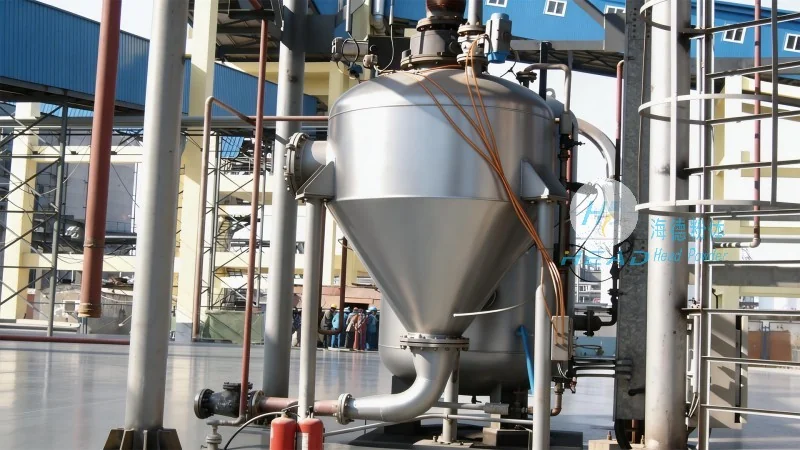
Introduction to Desulfurization and Denitrification Agent Handling
Desulfurization and denitrification agents, such as limestone slurry or urea solutions, are essential components in flue gas treatment processes. These agents are used to remove sulfur dioxide (SO₂) and nitrogen oxides (NOₓ) from exhaust gases, helping to comply with environmental regulations and reduce air pollution. The material handling systems for these agents must be reliable, efficient, and safe to handle the corrosive and sometimes hazardous nature of the substances. Shandong HeadPowder Engineering Co., Ltd., a leading provider in this field, specializes in the design and implementation of such systems, ensuring that industrial plants can maintain high standards of environmental compliance while optimizing operational costs.
Key Components of Material Handling Systems
The material handling systems for desulfurization and denitrification agents typically consist of several key components that work in tandem to transport and distribute the agents throughout the plant. These components include storage tanks, pumps, conveyors, and dosing equipment. Each component plays a critical role in the overall operation, and their integration is essential for smooth and continuous material flow. For instance, storage tanks are used to hold the agents in bulk, while pumps transfer the material from the tanks to the dosing points. Conveyors may be employed for larger volumes or when the agents need to be transported over longer distances within the facility. Dosing equipment, such as metering pumps or flow controllers, ensures that the correct amount of agent is added to the flue gas stream at the appropriate time, maintaining the desired chemical reaction conditions.
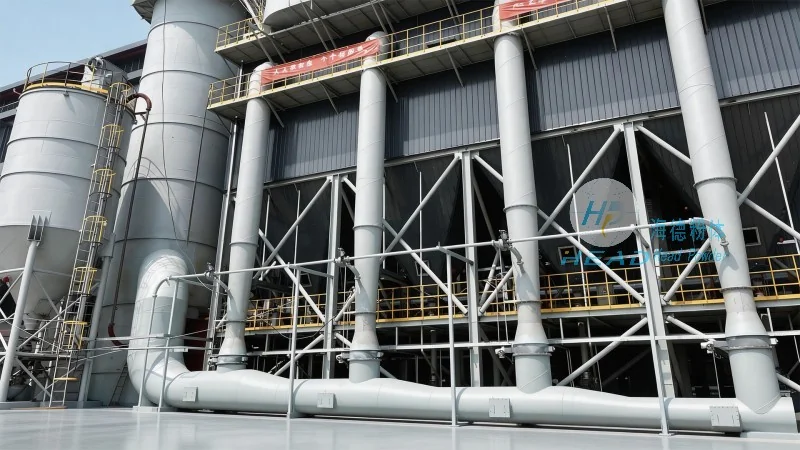
Operation Process of Material Handling
The operation process of desulfurization and denitrification agent material handling involves several sequential steps that ensure the agents are delivered to the scrubbing system in a controlled manner. The first step is the preparation of the agents in the storage tanks, where they are mixed with water or other additives to achieve the desired concentration. This step is critical as the concentration directly impacts the effectiveness of the desulfurization and denitrification reactions. Once prepared, the agents are pumped from the storage tanks to the dosing points using high-pressure or low-pressure pumps, depending on the system design. The pumps are equipped with flow meters and control valves to regulate the flow rate and pressure, ensuring precise dosing. The agents are then introduced into the flue gas stream through the scrubbing towers or reactors, where they react with the pollutants to form byproducts that are safely removed from the system. The entire process is monitored and controlled by a central control system that adjusts the flow rates, pressures, and dosing amounts based on real-time data from the plant, such as gas flow rates and pollutant concentrations.
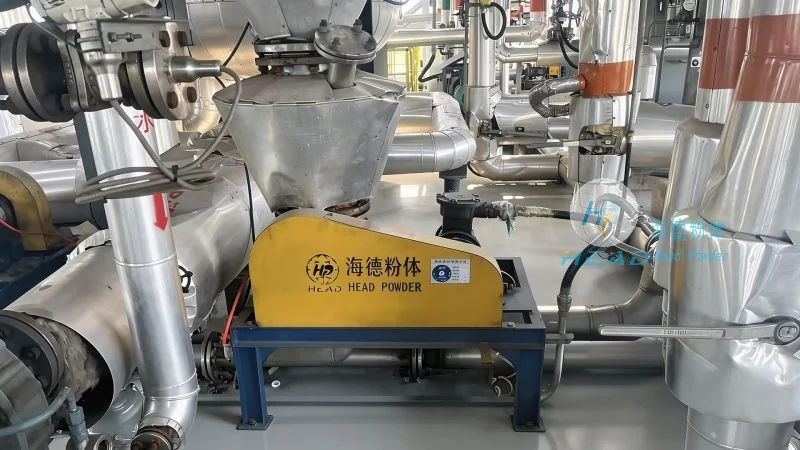
Working Principle of the Material Handling System
The working principle of the material handling system for desulfurization and denitrification agents is based on the principles of fluid dynamics and chemical engineering. The system operates by converting the stored chemical agents into a fluid state and transporting them through a network of pipes and equipment to the point of use. The key to the system's efficiency lies in the proper design of the storage tanks, pumps, and conveyors, which must be capable of handling the specific properties of the agents, such as viscosity, density, and corrosiveness. The pumps used in these systems are typically centrifugal or positive displacement pumps, selected based on the required flow rate and pressure. The conveyors, if used, are often screw conveyors or belt conveyors, which are suitable for handling slurry or liquid materials. The dosing equipment, such as metering pumps, operates on the principle of precise volume measurement and pressure control, ensuring that the exact amount of agent is added to the flue gas stream. The control system, which may be a programmable logic controller (PLC) or a distributed control system (DCS), coordinates all the components and adjusts the parameters in real time to maintain optimal operation. This closed-loop control system ensures that the material handling process is consistent and reliable, minimizing the risk of over-dosing or under-dosing, which could lead to inefficiencies or equipment damage.
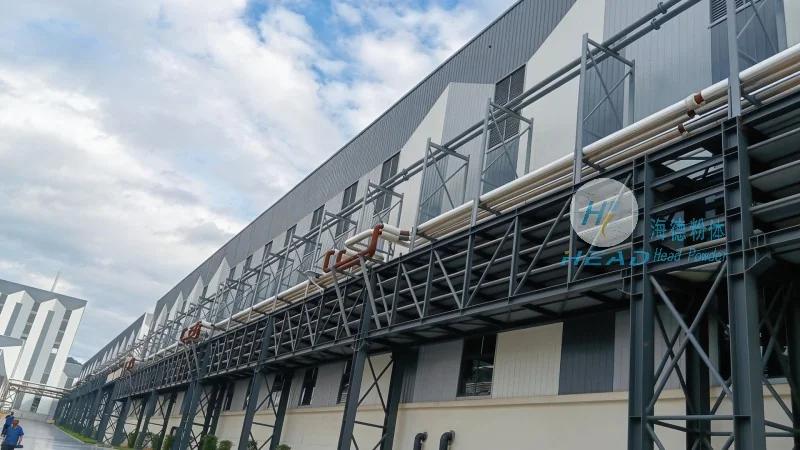
Operational Considerations and Best Practices
When operating a material handling system for desulfurization and denitrification agents, several considerations must be taken into account to ensure safety, efficiency, and longevity of the equipment. First, regular maintenance is essential to prevent equipment failure and ensure consistent performance. This includes checking pump seals, cleaning filters, and inspecting conveyor belts or screw mechanisms for wear and tear. Second, proper monitoring of the agent concentration and flow rates is crucial to maintain the desired reaction conditions. This can be achieved through the use of online analyzers and flow meters that provide real-time data to the control system. Third, safety measures must be implemented to handle the potentially hazardous nature of the agents, such as using corrosion-resistant materials for equipment and providing proper ventilation in storage areas. Fourth, training of operators on the system's operation and emergency procedures is important to ensure that any issues are addressed promptly and effectively. By following these best practices, industrial plants can maximize the efficiency of their material handling systems and minimize downtime, ensuring that the desulfurization and denitrification processes run smoothly and effectively.
Conclusion
In conclusion, the operation process and working principle of desulfurization and denitrification agent material handling are critical components of flue gas treatment systems. The efficient handling of these agents ensures that the scrubbing systems can effectively remove sulfur dioxide and nitrogen oxides from exhaust gases, helping to meet environmental regulations and reduce air pollution. Shandong HeadPowder Engineering Co., Ltd. plays a vital role in providing reliable and effective material handling solutions for these agents, contributing to the sustainability and environmental compliance of industrial facilities. By understanding the key components, operation process, and working principles of these systems, plant operators can optimize their performance and ensure long-term operational success.