

Operation Process and Working Principle of Automatic Material Feeding and Conveying System
For industries that require precise and efficient material handling, the automatic material feeding and conveying system offers a reliable solution. This system is designed to streamline the process of material preparation, transportation, and integration into production lines, ensuring consistent quality and operational efficiency. The system is engineered by Shandong HeadPowder Engineering Co., Ltd., a company based in Shandong, China, known for its expertise in industrial automation solutions.
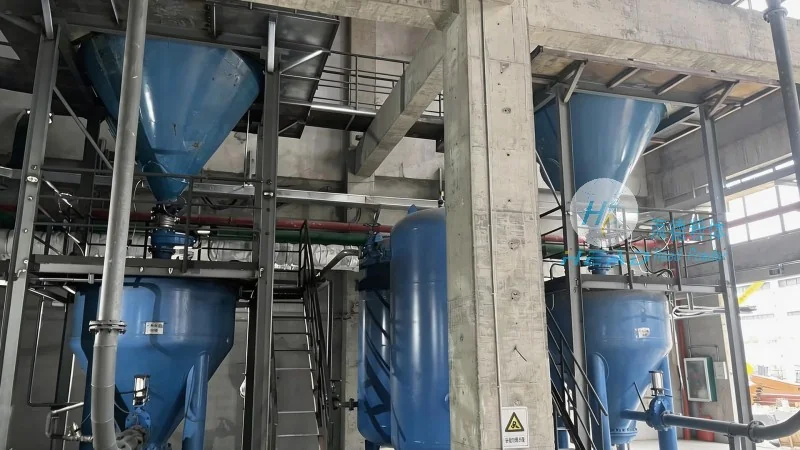
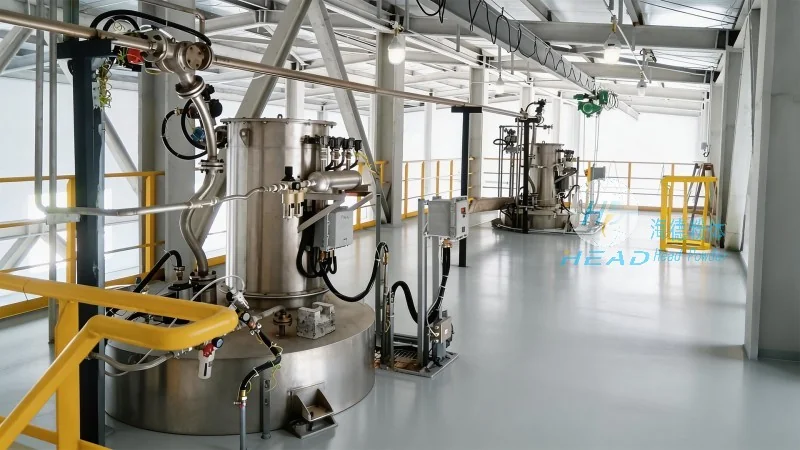
Core Components and Working Principle
The automatic material feeding and conveying system comprises several key components that work in tandem to achieve seamless material handling. At its heart is the material feeding unit, which can be equipped with various mechanisms such as vibrating feeders, screw conveyors, or belt conveyors, depending on the material type and processing requirements. These components are designed to deliver materials from storage bins or raw material containers to the conveying line with high accuracy and minimal loss. The system also includes a control unit, typically a programmable logic controller (PLC), which monitors and regulates the operation of each component. Sensors and feedback devices are integrated to detect material levels, flow rates, and any abnormalities, ensuring real-time adjustments and maintaining system stability. The conveying section may utilize pneumatic or mechanical systems, such as bucket elevators, chain conveyors, or air slides, to transport materials horizontally or vertically. The entire system operates under a centralized control scheme, allowing for automated start-up, shutdown, and parameter adjustments based on production schedules. For example, a vibrating feeder uses an electromagnetic or mechanical vibration source to move materials forward, with adjustable frequency and amplitude to control the feed rate. Screw conveyors, on the other hand, use rotating screws to push materials along a trough, suitable for granular or powdery materials. Belt conveyors provide continuous horizontal transport, while bucket elevators are ideal for vertical lifting of bulk materials. The control unit processes input from sensors, such as level switches and flow meters, to adjust the speed of feeding and conveying mechanisms, ensuring that the material flow matches the processing requirements of downstream equipment.
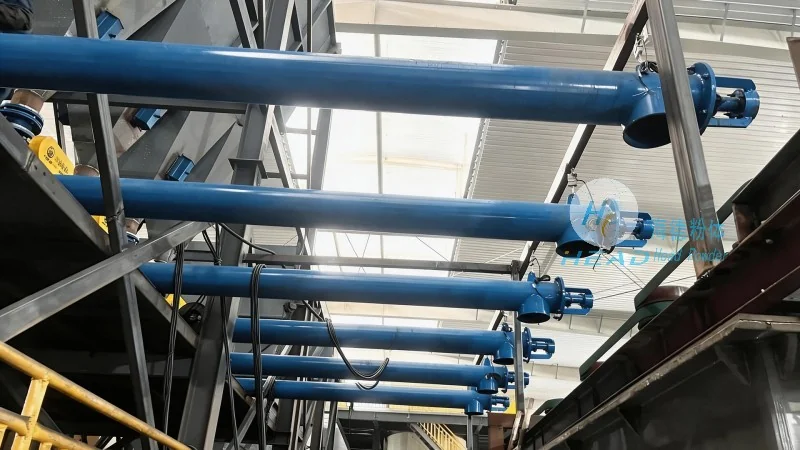
Operation Process: Step-by-Step Overview
The operation of the automatic material feeding and conveying system follows a structured sequence to ensure optimal performance. The process begins with the preparation phase, where raw materials are loaded into the storage bins or hoppers. The system then initiates the feeding cycle, where the feeding unit starts to transport materials from the storage to the conveying line. As materials move through the system, they are monitored by sensors that track flow rates and material levels, providing real-time data to the control unit. The conveying section then transports the materials to the processing equipment, such as mixers, grinders, or reactors. The control unit adjusts the speed and direction of the conveying mechanisms based on the material volume and processing requirements. During operation, the system continuously checks for any blockages or malfunctions, triggering alarms or automatic shutdowns if issues are detected. The final stage involves the delivery of processed materials to the next production stage or storage, completing the cycle. The entire process is automated, reducing human intervention and minimizing the risk of errors, while maintaining consistent material quality and throughput. For instance, when the material level in the storage bin drops below a certain threshold, the control unit signals the feeding unit to increase the feed rate to maintain a steady supply. Conversely, if the material level is too high, the system reduces the feed rate to prevent overflow. The conveying section adjusts its speed to match the feed rate, ensuring that the material is delivered to the processing equipment at the correct rate. This dynamic adjustment ensures that the system operates efficiently without overloading or underutilizing the equipment.
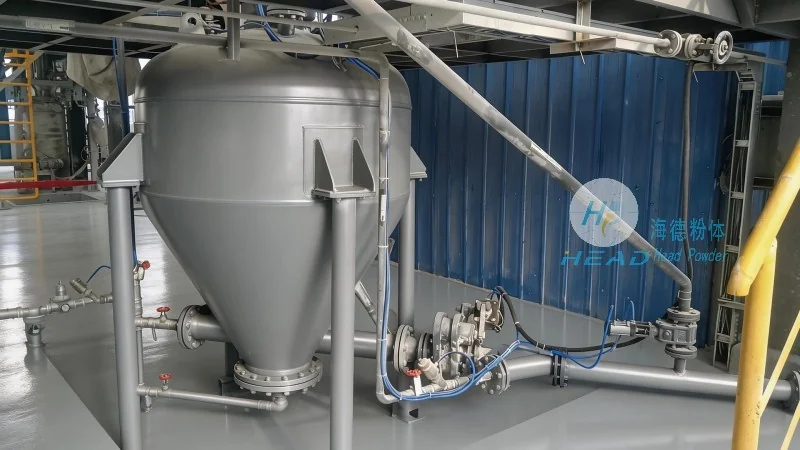
Advantages and Applications
The automatic material feeding and conveying system offers numerous advantages for industrial applications. Its high precision in material measurement and transportation reduces material waste and improves product consistency. The automated operation enhances operational efficiency by minimizing downtime and labor costs. The system's flexibility allows it to handle a wide range of materials, from powders and granules to bulk solids, making it suitable for various industries, including pharmaceuticals, food processing, chemicals, and manufacturing. The integration of sensors and control systems ensures safety and reliability, adhering to industry standards and regulations. By streamlining material handling, the system contributes to overall productivity and cost-effectiveness, making it a valuable asset for modern industrial operations. In pharmaceutical manufacturing, for example, the system ensures that raw materials are accurately measured and transported, meeting stringent quality control requirements. In food processing, it maintains hygiene standards and prevents cross-contamination. In chemical industries, it handles hazardous materials safely, reducing the risk of accidents. The system's adaptability to different material types and processing needs makes it a versatile solution for diverse industrial applications.