

Operation Process and Working Principle of Automatic Quantitative Powder Material Conveying System
For industries dealing with bulk powders, the efficient and precise handling of materials is crucial for maintaining production efficiency and product quality. The automatic quantitative powder material conveying system, developed by Shandong HeadPowder Engineering Co., Ltd., addresses these needs by integrating advanced technology to ensure accurate and reliable material transfer. This system is designed to handle various types of powders, from fine chemicals to industrial raw materials, providing a solution that enhances operational stability and reduces human error in material handling processes.
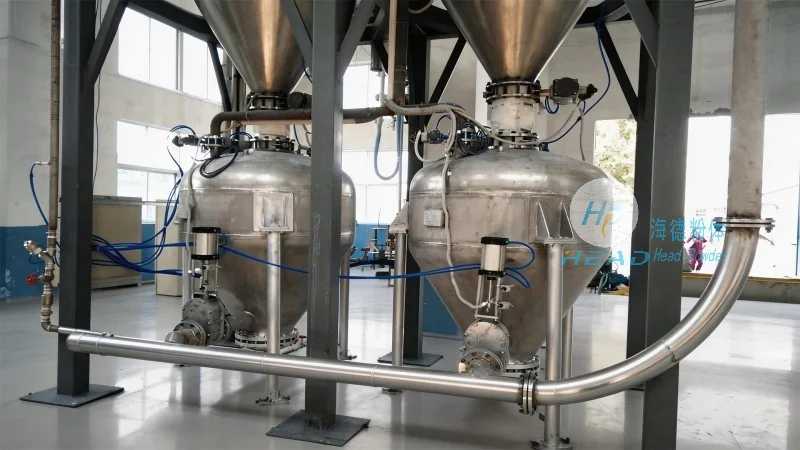
Core Components and Structure of the System
The automatic quantitative powder material conveying system consists of several key components that work in tandem to achieve precise material transfer. The main parts include a hopper for material storage, a dosing unit that controls the quantity of material released, a conveyor mechanism for transporting the material, and a control system that manages the entire operation. Each component is engineered to meet the specific requirements of different powder types and production environments. The hopper is typically made of durable materials such as stainless steel to prevent material contamination and ensure longevity. The dosing unit may use gravimetric or volumetric methods, depending on the application, to achieve high accuracy in material measurement. The conveyor system can be a screw conveyor, pneumatic conveyor, or a combination of both, depending on the material's characteristics and the desired conveying speed. The control system, often equipped with a user-friendly interface, allows operators to monitor and adjust the system parameters in real-time, ensuring optimal performance.
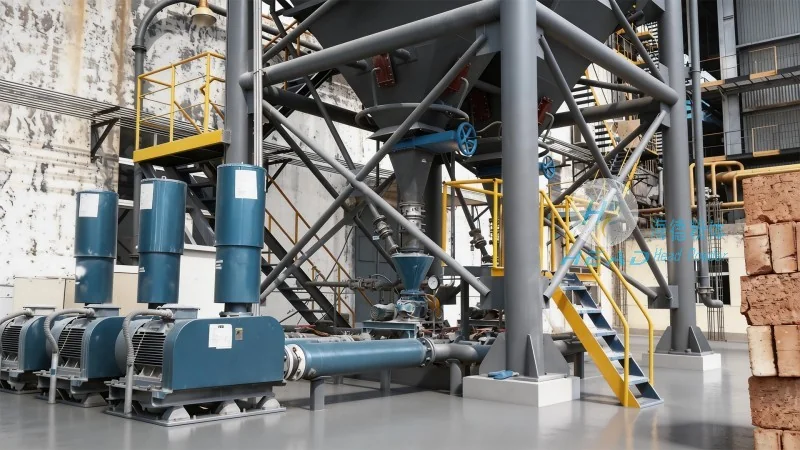
Working Principle of the System
The operation of the automatic quantitative powder material conveying system follows a systematic process that ensures consistent and accurate material delivery. The process begins with the material being fed into the hopper from a storage silo or container. The hopper then supplies the material to the dosing unit, which measures the required quantity based on the set parameters. The dosing unit can be a gravimetric scale, where the weight of the material is continuously monitored, or a volumetric device, such as a rotary valve or a screw feeder, which controls the flow rate. Once the correct amount of material is measured, it is transferred to the conveyor system. The conveyor then transports the material to the target destination, such as a mixer, storage bin, or processing unit. The control system continuously monitors the entire process, adjusting the flow rate or dosing parameters as needed to maintain the desired output. This closed-loop control ensures that the system operates with high precision, minimizing variations in material quantity and improving overall production consistency.
Operation Process: Step-by-Step Execution
The operation of the automatic quantitative powder material conveying system is carried out in a series of steps that ensure smooth and efficient material handling. First, the system is initialized by the operator, who sets the desired material quantity, conveyor speed, and other parameters through the control interface. The hopper is then filled with the material, and the system begins to operate. The dosing unit starts measuring the material, and the conveyor is activated to transport the material. The control system continuously checks the weight or volume of the material being transferred and adjusts the dosing rate to maintain the set value. During the operation, the operator can monitor the system status, including the material level in the hopper, the conveyor speed, and the output rate. If any deviations are detected, the control system automatically corrects the parameters to restore the desired operation. The system continues to run until the material is fully transferred or the operator stops the process. After the operation is complete, the system can be cleaned or maintained as needed, ensuring it is ready for the next batch of material.
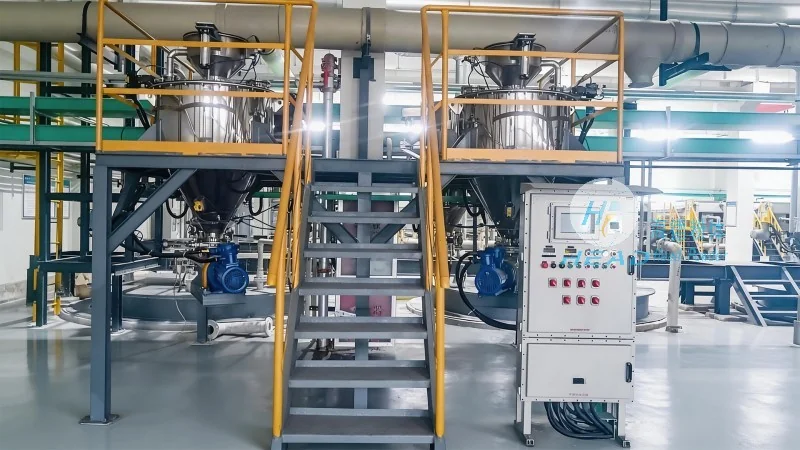
Advantages and Applications of the System
The automatic quantitative powder material conveying system offers several advantages that make it suitable for a wide range of industrial applications. One of the key benefits is its high accuracy in material measurement, which reduces waste and improves product quality. The system's ability to handle various powder types, including fine and cohesive materials, makes it versatile for different industries. Additionally, the automated operation minimizes the need for manual intervention, reducing labor costs and the risk of human error. The system is also designed for easy maintenance and scalability, allowing it to be integrated into existing production lines or expanded as production needs grow. Applications of this system include pharmaceutical manufacturing, food processing, chemical production, and mining, where precise material handling is critical for product consistency and safety.