

Operation Process and Working Principle of Copper Sulfate Powder Conveying Line
Shandong HeadPowder Engineering Co., Ltd., a leading manufacturer in the powder handling industry, specializes in providing efficient and reliable conveying solutions for various industrial applications. Based in Shandong, China, the company has built a strong reputation for its innovative equipment designed to meet the demanding needs of material transport, particularly in the processing of copper sulfate powder. This article delves into the operation process and working principle of a copper sulfate powder conveying line, highlighting the key components, operational steps, and technical advantages that make it an essential asset for industrial operations.
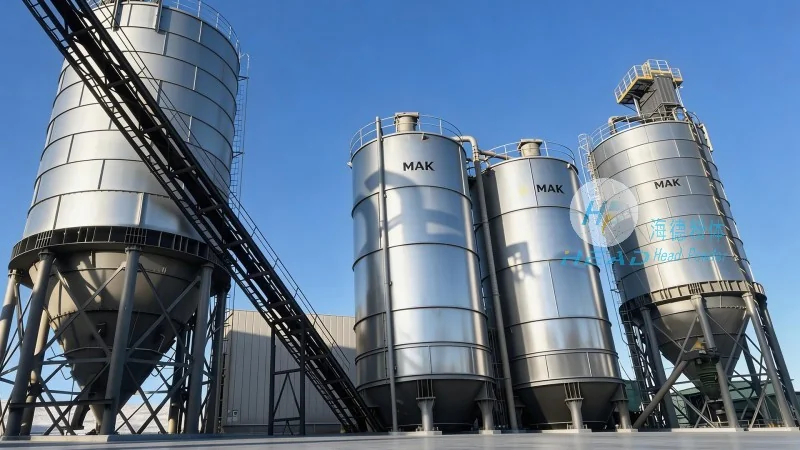
System Overview: Components and Structure
The copper sulfate powder conveying line is a comprehensive system engineered to handle the transportation of copper sulfate powder from storage to processing or packaging units. The system typically consists of several critical components, including a hopper for material storage, a feeder to control the flow rate, a conveyor (such as a screw or pneumatic conveyor) for material transport, and a control system to monitor and regulate the entire process. Each component is designed to work in harmony to ensure smooth and efficient material handling, minimizing downtime and maximizing productivity.
Operation Process: Step-by-Step Execution
The operation of the copper sulfate powder conveying line follows a systematic sequence of steps to ensure consistent and reliable material transport. The process begins with the loading of copper sulfate powder into the hopper. The hopper is equipped with a level indicator to monitor the material volume, which helps in maintaining an optimal feeding rate. Once the hopper is filled to the desired level, the feeder activates to regulate the flow of powder into the conveyor. The feeder may use a screw mechanism or a rotary valve to control the flow rate, ensuring that the material is conveyed at a consistent speed without causing blockages or overloading the system.
As the powder enters the conveyor, it is transported to the discharge point. The conveyor system, whether mechanical or pneumatic, is designed to handle the specific characteristics of copper sulfate powder, such as its fine particle size and potential for static electricity. To prevent material buildup and ensure smooth flow, the conveyor may incorporate features like vibration devices or anti-static coatings. The discharge point is typically connected to the next processing stage, such as a mixer or a packaging machine, where the powder is further processed or prepared for distribution.
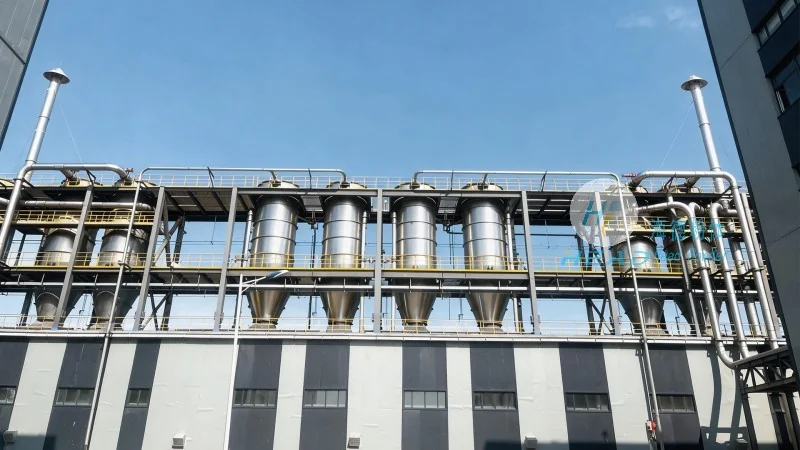
Working Principle: Mechanical and Control Mechanisms
The working principle of the copper sulfate powder conveying line relies on a combination of mechanical and control mechanisms to achieve precise material handling. The mechanical components, such as the feeder and conveyor, are driven by electric motors that convert electrical energy into mechanical energy to move the powder. The control system, often integrated with sensors and programmable logic controllers (PLCs), monitors key parameters like flow rate, pressure, and temperature. These sensors provide real-time data to the control system, which adjusts the operation of the feeder and conveyor as needed to maintain optimal performance.
In the case of a mechanical conveyor, the screw or belt mechanism rotates to move the powder forward. The speed of rotation is controlled by the motor, and the torque is adjusted to handle the specific characteristics of copper sulfate powder, such as its density and flowability. For pneumatic conveyors, compressed air is used to create a pressure differential that propels the powder through the system. The air flow rate is regulated by valves and regulators to ensure consistent transport and prevent material degradation.
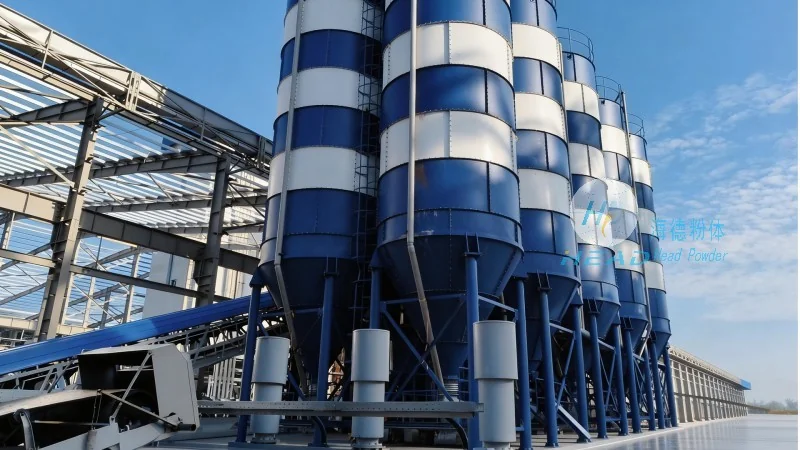
Technical Advantages and Industrial Applications
The copper sulfate powder conveying line offers several technical advantages that make it suitable for various industrial applications. One of the key advantages is its ability to handle fine powders without causing clogging or blockages, which is crucial for copper sulfate powder due to its small particle size. The system also minimizes material loss and contamination, ensuring that the powder remains in its original state throughout the transport process. Additionally, the control system provides real-time monitoring and data logging, allowing operators to track performance and identify potential issues before they become major problems.
Industrial applications of this conveying line include the chemical industry, where copper sulfate is used as a raw material in the production of various chemicals and fertilizers. It is also used in the mining industry for processing copper ores and in the pharmaceutical industry for the production of copper-based medications. The system's reliability and efficiency make it an essential component in these industries, contributing to increased productivity and reduced operational costs.
Conclusion: Ensuring Efficient Material Handling
In conclusion, the copper sulfate powder conveying line is a sophisticated system designed to efficiently transport copper sulfate powder from storage to processing units. The combination of mechanical components and advanced control systems ensures smooth operation, minimal downtime, and consistent performance. Shandong HeadPowder Engineering Co., Ltd. has leveraged its expertise in powder handling to develop this system, which meets the demanding requirements of industrial applications. By understanding the operation process and working principle of this line, industries can optimize their material handling processes and improve overall productivity.