

Operation Process and Working Principle of Vacuum Suction Type Powder Conveying Line
HeadPowder, a leading manufacturer based in Shandong, China, specializes in the design and production of advanced vacuum suction type powder conveying systems. These systems are engineered to efficiently transport bulk powders over long distances with minimal pressure loss and reduced product contamination. The technology is widely adopted in industries such as food, pharmaceuticals, chemicals, and mining, where maintaining product integrity and operational efficiency is critical.
Key Components and Structure
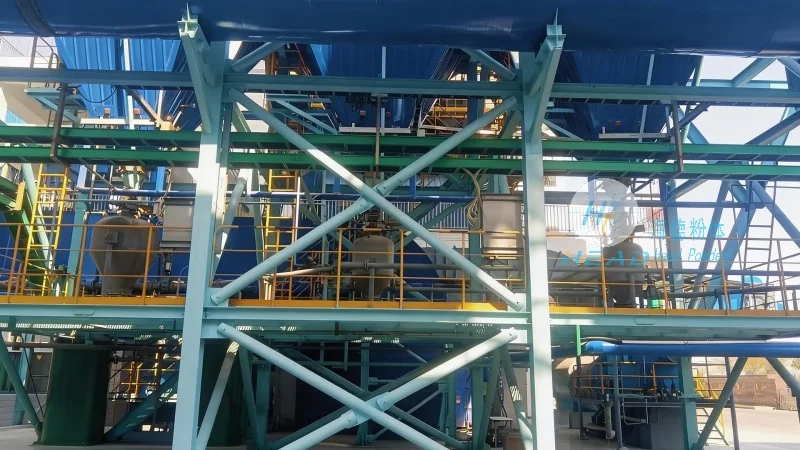
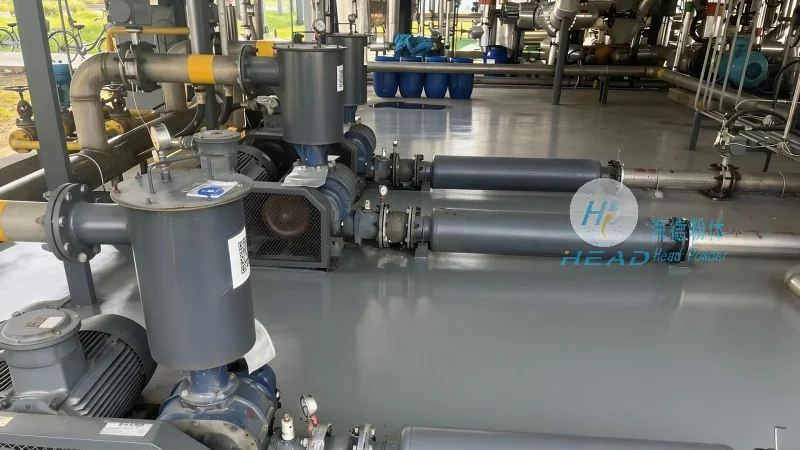
The vacuum suction type powder conveying line typically consists of several core components, including a vacuum pump, a hopper for material storage, a pipeline system, and a control unit. The vacuum pump generates a negative pressure within the pipeline, creating a suction force that draws the powder from the source to the destination. The hopper is equipped with a feeding mechanism, often a rotary valve or a star feeder, which regulates the flow of material into the pipeline. The pipeline is usually made of stainless steel or other corrosion-resistant materials to ensure durability and prevent contamination of the conveyed powders.
Operation Process
The operation of the vacuum suction type powder conveying line involves several sequential steps. First, the material is loaded into the hopper. The feeding mechanism then starts, allowing the powder to enter the pipeline under the negative pressure created by the vacuum pump. As the powder moves through the pipeline, it is transported to the receiving container or processing unit. The control unit monitors the pressure and flow rates, ensuring the system operates within optimal parameters. The process is continuous and can be adjusted to handle varying powder types and flow rates, making it highly versatile for different industrial applications.
Working Principle
The working principle of the vacuum suction type powder conveying line is based on the creation of a pressure differential. The vacuum pump reduces the pressure inside the conveying pipeline to a level below the atmospheric pressure at the material source. This pressure difference generates a suction force that pulls the powder particles into the pipeline. The pipeline design, including the diameter and length, is optimized to minimize pressure drop and ensure efficient material transport. The system uses a closed loop, preventing dust emissions and maintaining a clean working environment. The control system continuously adjusts the vacuum level and feeding rate to maintain a stable flow, ensuring consistent performance and product quality.
Advantages and Applications
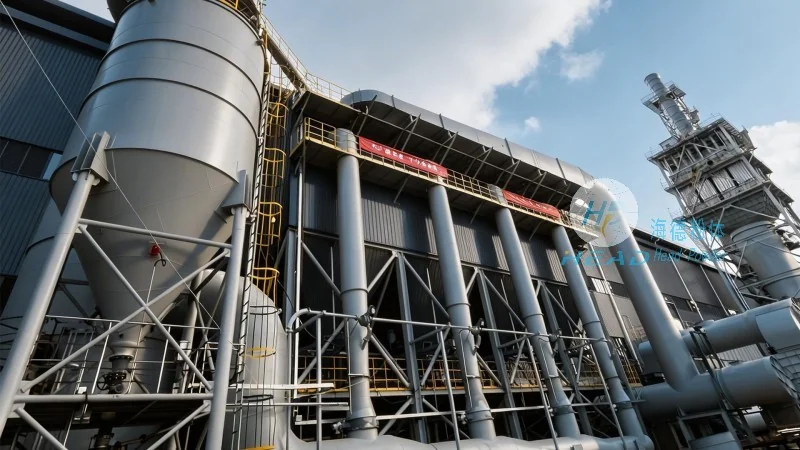
HeadPowder's vacuum suction type powder conveying lines offer several advantages over traditional conveying methods. These include reduced energy consumption, lower maintenance costs, and improved product safety due to the enclosed system. The technology is particularly suitable for transporting fine powders that are prone to dusting or caking, as the negative pressure prevents particle separation and maintains uniform flow. The systems are also adaptable to various powder characteristics, such as moisture content and particle size, making them versatile for a wide range of industrial processes. In the food and pharmaceutical industries, the stainless steel construction and sealed system ensure compliance with hygiene standards, while in the chemical and mining sectors, the robust design withstands harsh operating conditions.