

Operation Process and Working Principle of Rare Earth Powder Conveying
HeadPowder, a leading provider in the field of powder handling technology, specializes in the design, manufacturing, and implementation of efficient conveying systems for rare earth powders. This article delves into the operational process and underlying principles that ensure reliable and safe transportation of these critical materials.
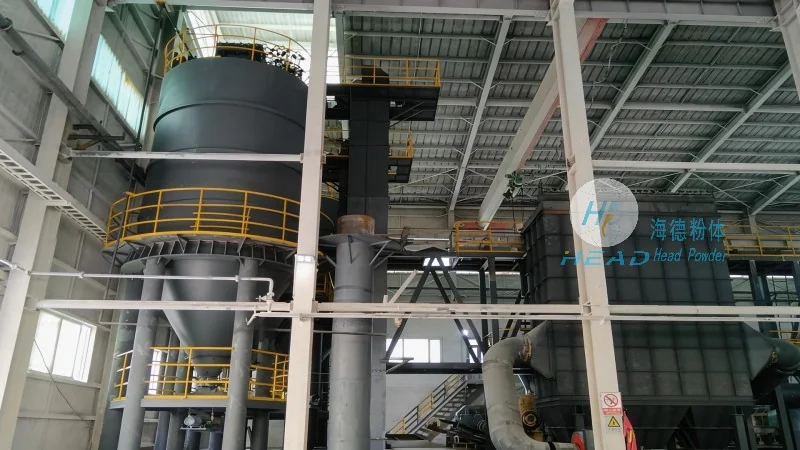
Company Overview
HeadPowder, operating as Shandong HeadPowder Engineering Co., Ltd., is headquartered in Shandong, China. With a focus on innovation and precision engineering, the company has established itself as a trusted partner for industries relying on rare earth powders in their production processes. The company's expertise lies in developing customized conveying solutions tailored to the unique challenges of handling fine, abrasive, and often hazardous rare earth powders.
The Conveying Process: A Step-by-Step Overview
The operation of a rare earth powder conveying system involves several critical stages, each designed to maintain the integrity of the material while ensuring efficient and safe transport. The process typically begins with the material being fed into a hopper or storage silo. From there, the powder is drawn into a conveyor system, which may include components such as rotary valves, feeders, and pneumatic or mechanical conveyors. The choice of conveyor type depends on factors like the material's properties, required throughput, and the distance to be covered.
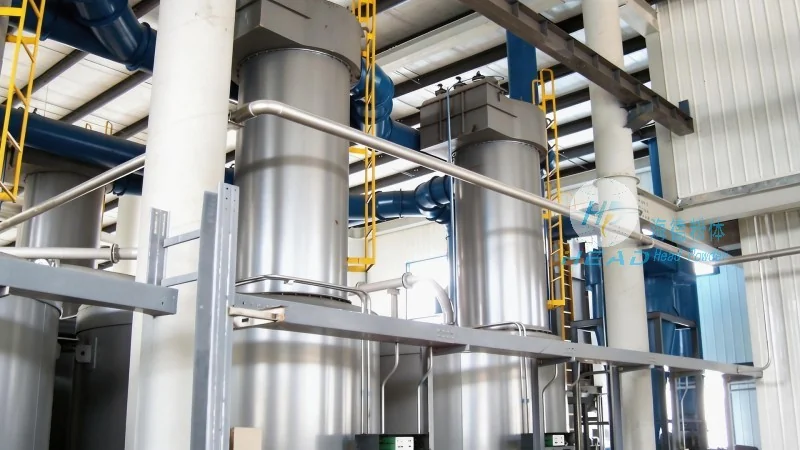
Once the powder enters the conveyor, it is transported through a series of pipes or ducts. In pneumatic conveying systems, compressed air is used to create a flow that moves the powder particles along the line. Mechanical conveyors, such as screw conveyors or belt conveyors, use rotating components to push the material forward. The system is equipped with pressure regulators, filters, and dust collection units to maintain air quality and prevent material loss. At the destination point, the powder is discharged into a receiving hopper or storage container, completing the transport cycle.
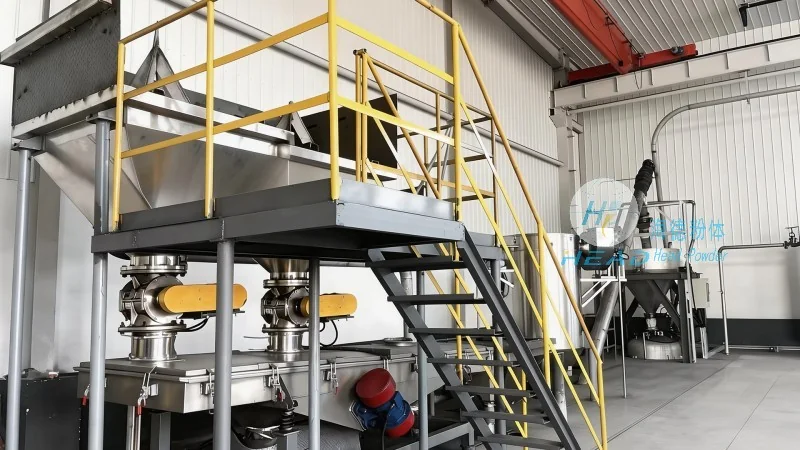
Working Principles: Ensuring Efficiency and Reliability
The effectiveness of a rare earth powder conveying system is rooted in several key working principles. First, the principle of material flow control is paramount. Proper feeding mechanisms, such as rotary valves or vibratory feeders, ensure a consistent and controlled flow rate, preventing overloading or underfeeding that could lead to system inefficiencies or material degradation. Second, the principle of air or mechanical force application is critical. In pneumatic systems, the pressure differential created by the compressor drives the material through the line, while mechanical systems rely on the torque generated by motors to move the conveyor components. Third, the principle of material separation and filtration is essential for maintaining system performance and safety. Filters and cyclones are used to remove dust and fine particles from the conveying air, preventing blockages and ensuring compliance with environmental regulations.
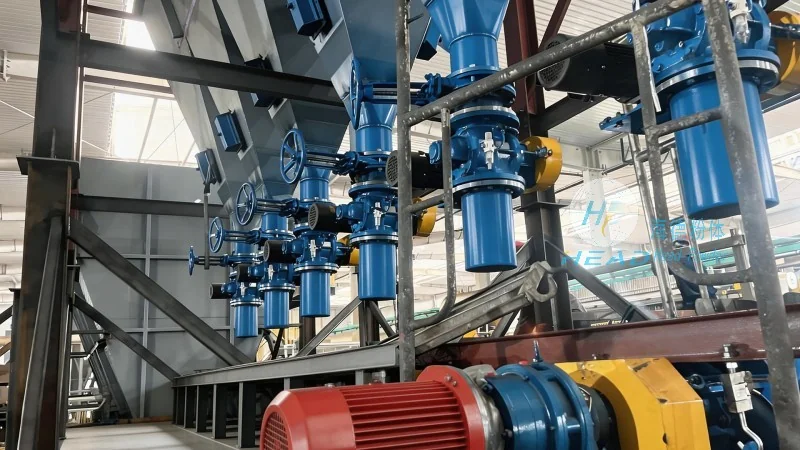
Additionally, the system incorporates safety features to protect both personnel and equipment. This includes pressure relief valves, emergency shut-off mechanisms, and monitoring systems that track pressure, flow rate, and temperature. These features ensure that the conveying process operates within safe parameters, minimizing the risk of accidents or equipment damage.
Conclusion
HeadPowder's expertise in rare earth powder conveying systems combines advanced engineering with practical application, delivering solutions that meet the demanding requirements of modern industrial processes. By understanding the operational process and working principles, industries can optimize their material handling operations, enhance productivity, and ensure the safe and efficient transport of rare earth powders. With a commitment to quality and customer satisfaction, Shandong HeadPowder Engineering Co., Ltd. continues to lead the way in providing reliable and efficient conveying solutions for the rare earth industry.