

Operation Process and Working Principle of Caustic Soda Powder Conveying
Caustic soda, also known as sodium hydroxide (NaOH), is a highly caustic and reactive chemical widely used in various industrial applications, including chemical manufacturing, water treatment, and paper production. Efficient and safe powder conveying of caustic soda is crucial for industrial operations to ensure product integrity, minimize material loss, and maintain operational safety. This article provides an overview of the operation process and working principles of caustic soda powder conveying systems, highlighting key components, operational steps, and the importance of proper system design.
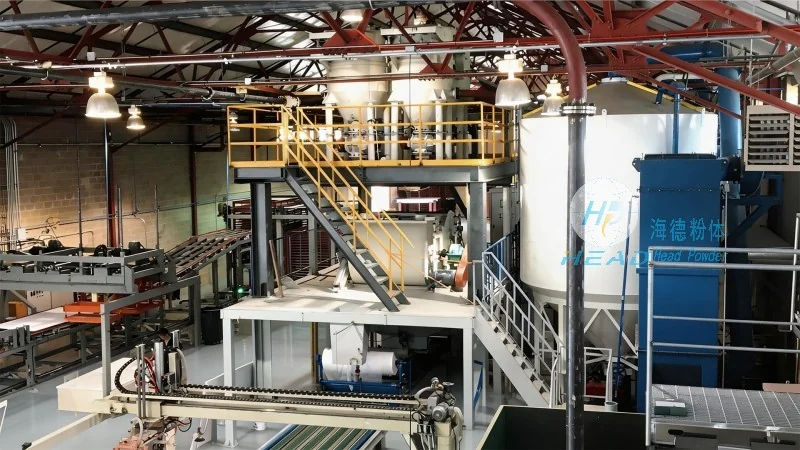
Key Components of Caustic Soda Powder Conveying Systems
The caustic soda powder conveying system typically consists of several critical components that work in tandem to ensure smooth and safe material transport. These components include feed hoppers, rotary valves (also known as star feeders), conveyor lines (often using pneumatic or mechanical methods), dust collection systems, and control panels. Each component plays a vital role in the overall conveying process, contributing to the system's efficiency and reliability.
Operation Process of Caustic Soda Powder Conveying
The operation process of a caustic soda powder conveying system involves several sequential steps designed to move the material from the storage hopper to the processing equipment. The process begins with the material being stored in a large feed hopper, which is equipped with a level indicator to monitor the material inventory. When the processing equipment requires more caustic soda, the control system signals the rotary valve to open, allowing the powder to flow into the conveyor line.
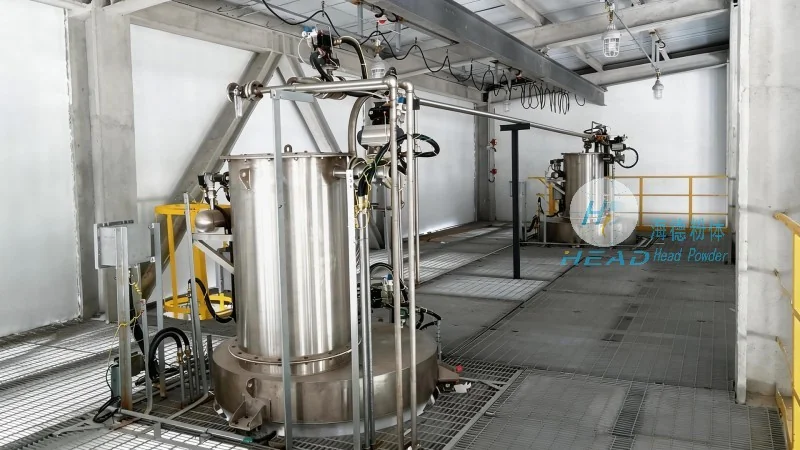
Once the rotary valve is activated, the powder is transferred through the conveyor line, which may use pneumatic pressure or mechanical force to move the material. Pneumatic conveying systems utilize compressed air to create a flow of material, while mechanical systems rely on screw conveyors or belt conveyors. The choice of conveying method depends on factors such as material characteristics, distance, and system requirements. During the conveying process, the system may include a dust collection unit to capture any airborne particles, ensuring environmental compliance and worker safety.
Working Principle of Caustic Soda Powder Conveying
The working principle of caustic soda powder conveying systems is based on the principles of fluid dynamics and mechanical motion. In pneumatic conveying systems, the compressed air creates a pressure differential that propels the powder particles through the pipeline. The air and powder mixture travels at a specific velocity, which is carefully controlled to prevent material segregation or blockages. Mechanical conveying systems, such as screw conveyors, rely on the rotation of a screw to push the powder forward, with the pitch and speed of the screw determining the conveying rate.
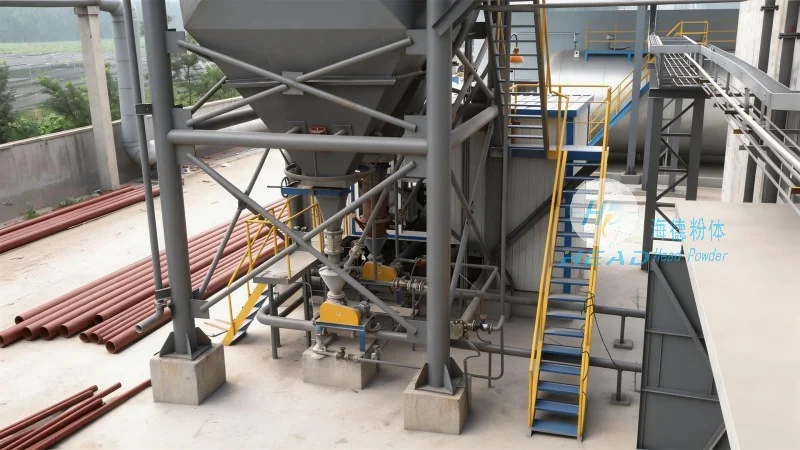
Control systems are integral to the operation, as they monitor parameters such as pressure, flow rate, and material level. Sensors and indicators provide real-time data to operators, allowing for adjustments to maintain optimal performance. The system is designed to handle the corrosive nature of caustic soda, using materials like stainless steel or specialized coatings to prevent degradation and ensure longevity.
Importance of Proper System Design and Maintenance
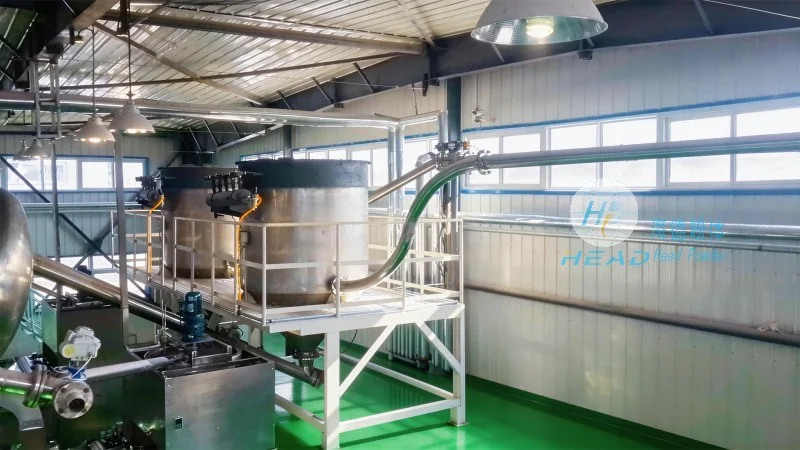
Proper system design is essential for the efficient and safe operation of caustic soda powder conveying systems. Factors such as material flow rate, pipeline length, and environmental conditions must be considered during the design phase. Additionally, regular maintenance is crucial to prevent system failures and ensure consistent performance. Maintenance tasks may include cleaning the conveyor line, inspecting the rotary valve, and checking the dust collection system for efficiency.
About Shandong HeadPowder Engineering Co., Ltd.
Shandong HeadPowder Engineering Co., Ltd., operating under the brand name headpowder, is a leading provider of industrial conveying solutions. With a focus on innovation and quality, the company specializes in designing and manufacturing systems for handling caustic soda and other hazardous powders. Headpowder's expertise lies in creating customized solutions that meet the specific needs of industrial clients, ensuring safety, efficiency, and compliance with industry standards. The company's headquarters is located in Shandong, China, where it continues to develop advanced technologies for powder handling applications.