

Operation Process and Working Principle of Powder Propellant Conveying
Comprehending the operation process and working principle of powder propellant conveying is essential for ensuring efficient and safe handling within the propellant manufacturing sector. This article provides a detailed overview of the core components, mechanisms, and operational steps involved in the conveying system, tailored for industry professionals.
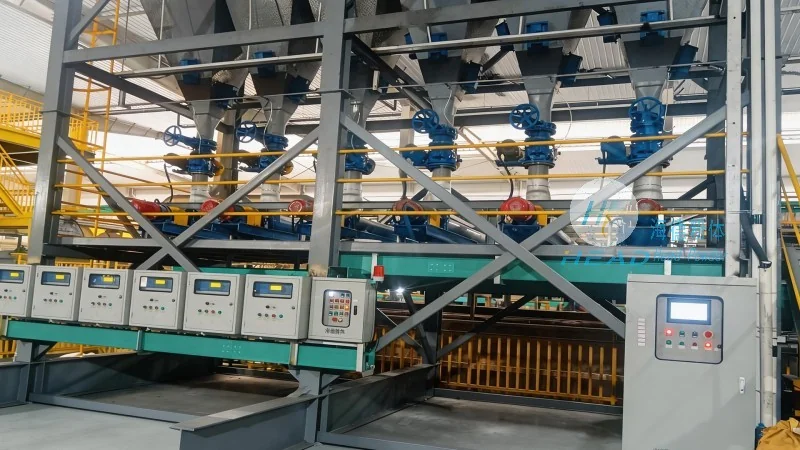
Introduction to Powder Propellant Conveying Systems
Powder propellant conveying systems are critical for transporting granular or powdered propellants from storage to processing units in ammunition and rocketry applications. These systems must adhere to stringent safety and performance standards due to the hazardous nature of propellants. The fundamental components typically include feeders, conveyors, and control mechanisms engineered to handle the material's sensitivity to friction, impact, and static discharge.
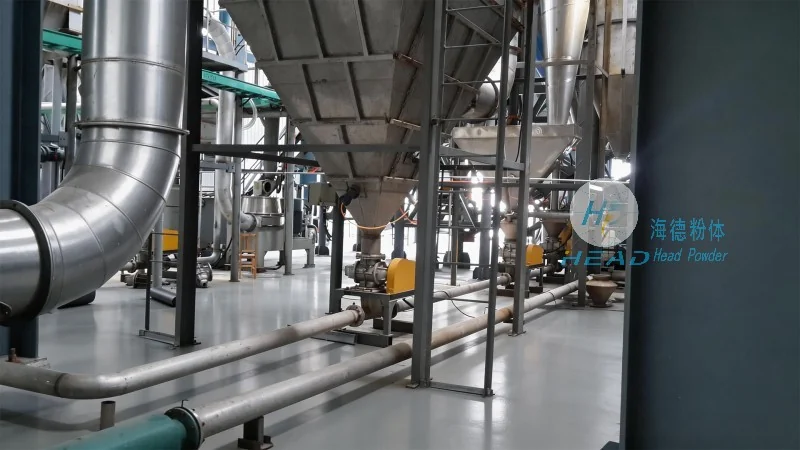
Key Components of the Conveying System
The powder propellant conveying system comprises several critical components that operate in unison to ensure smooth functionality. The primary components include:
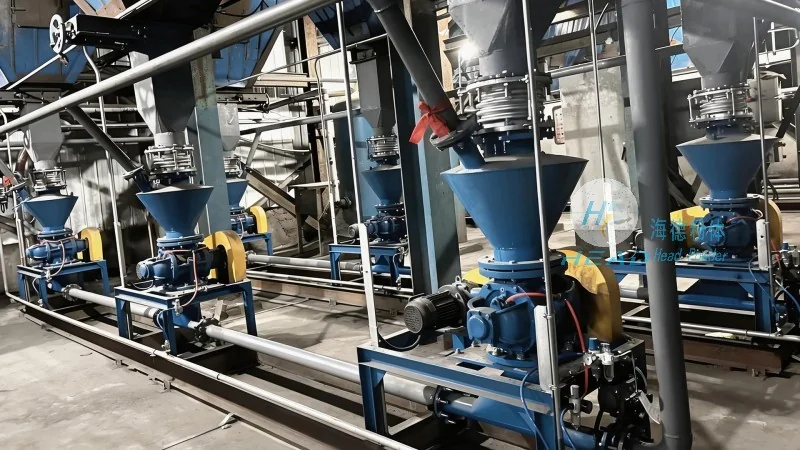
- Feeding Equipment: This includes hoppers and rotary valves that regulate the flow rate of the propellant from storage silos or containers. Proper feeding is vital to prevent material bridging or clogging, which can lead to uneven flow and safety hazards.
- Conveyor Mechanism: Various types of conveyors are utilized, such as pneumatic conveying systems, screw conveyors, or bucket elevators. Pneumatic systems are particularly common for handling sensitive powders as they minimize friction and impact. The selection of the conveyor depends on the propellant's properties, including particle size, moisture content, and flowability.
- Control and Monitoring Systems: These systems regulate the flow rate, pressure, and temperature within the conveying line. Sensors and controllers ensure the system operates within safe parameters, preventing overpressure or underflow conditions that could compromise safety or efficiency.
Working Principle of the Conveying Process
The operation of a powder propellant conveying system follows a systematic process, starting from material intake to delivery at the processing point. The key steps include:
- Material Intake: Propellant is discharged from storage containers into the hopper of the feeding system. The rotary valve controls the amount of material entering the conveyor, ensuring a consistent feed rate.
- Conveying: The material is then transported through the conveyor system. In pneumatic systems, air is used to create a pressure differential that moves the powder. In mechanical systems, the conveyor rotates to push the material forward. The design of the conveyor must account for the propellant's flow characteristics to avoid segregation or agglomeration.
- Delivery: The propellant is delivered to the processing unit, such as a mixing or loading station. The system ensures that the material is transferred without loss or contamination, maintaining its quality and safety.
Operational Considerations and Safety Measures
Efficient operation of powder propellant conveying systems requires careful attention to operational considerations and safety measures. Key factors include:
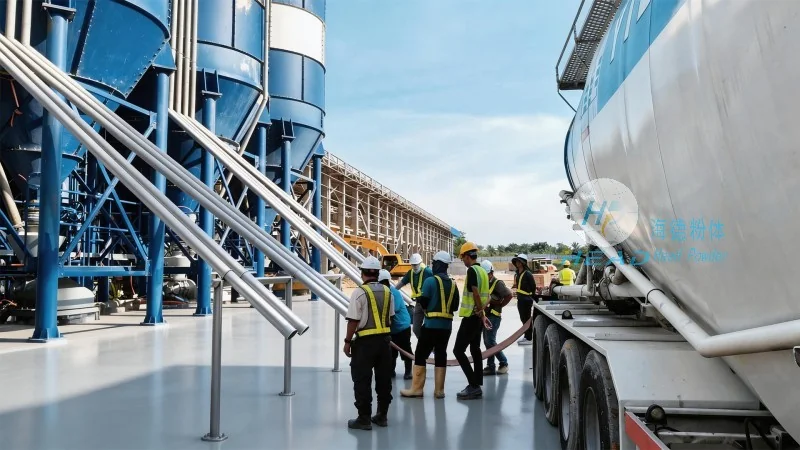
- Preventing Static Accumulation: Propellants are often electrostatically sensitive. The system must incorporate grounding and anti-static measures to prevent sparks that could ignite the material.
- Controlling Temperature: Some propellants are temperature-sensitive. The conveying system must maintain appropriate temperatures to avoid degradation or safety risks.
- Preventing Material Degradation: Abrasion and impact during conveying can degrade the propellant's performance. The system uses smooth surfaces and gentle handling mechanisms to minimize such effects.
Conclusion
Understanding the operation process and working principle of powder propellant conveying is vital for optimizing performance and ensuring safety in propellant handling. By carefully designing and maintaining the system components, manufacturers can achieve efficient, reliable, and safe transportation of propellants. The expertise of companies like Shandong HeadPowder Engineering Co., Ltd. plays a crucial role in developing and implementing such systems, ensuring compliance with industry standards and enhancing overall operational efficiency.