

Operation Process and Working Principle of Tea Powder Conveying
Tea powder conveying is a critical process in the tea processing industry, ensuring efficient and reliable transportation of fine tea particles from production to packaging stages. The systems designed by Shandong HeadPowder Engineering Co., Ltd. utilize advanced technology to address the unique challenges of handling delicate tea powders, such as maintaining product quality, preventing contamination, and optimizing operational efficiency. This article explores the operation process and working principles of tea powder conveying systems, highlighting key components and their functions.

Key Components of Tea Powder Conveying Systems
At the core of a tea powder conveying system are several essential components that work in tandem to ensure smooth and effective material handling. The primary components include feeders, conveyors, and control systems. Feeders are responsible for uniformly distributing the tea powder into the conveying line, preventing blockages and ensuring consistent flow rates. Conveyors, such as pneumatic or mechanical systems, transport the powder through the system, utilizing air pressure or mechanical force to move the material. Control systems monitor and regulate the entire process, adjusting parameters like pressure, speed, and flow rate to maintain optimal performance. Each component plays a vital role in maintaining the integrity of the tea powder and ensuring the system operates efficiently.
The Operation Process of Tea Powder Conveying
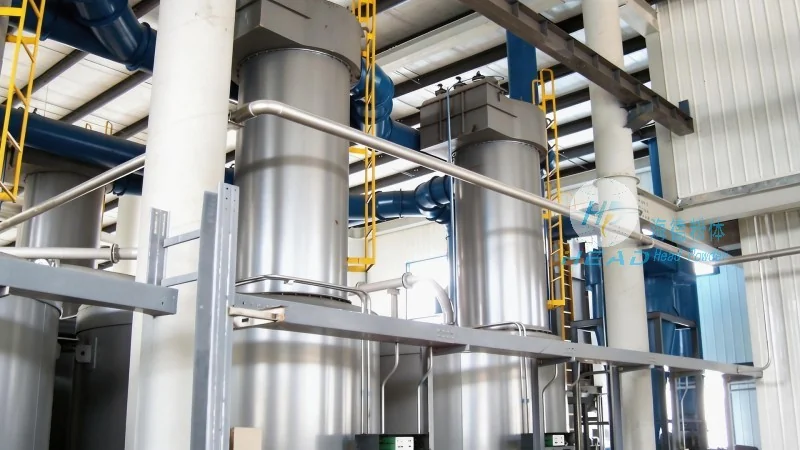
The operation process of a tea powder conveying system typically begins with the preparation of the tea powder, which may involve grinding, drying, and sieving to achieve the desired particle size and consistency. Once the powder is ready, it is fed into the system via a hopper or feeder. The feeder then distributes the powder evenly into the conveying line, ensuring a consistent flow. The conveying system then transports the powder to the next stage of processing or packaging. Pneumatic conveying systems, for example, use compressed air to create a pressure differential that moves the powder through pipes. Mechanical conveyors, such as screw or belt conveyors, rely on mechanical motion to transport the material. The control system continuously monitors the process, adjusting parameters as needed to maintain the desired flow rate and pressure. This ensures that the tea powder is transported safely and efficiently, minimizing the risk of product degradation or loss.
Working Principles of Tea Powder Conveying Systems
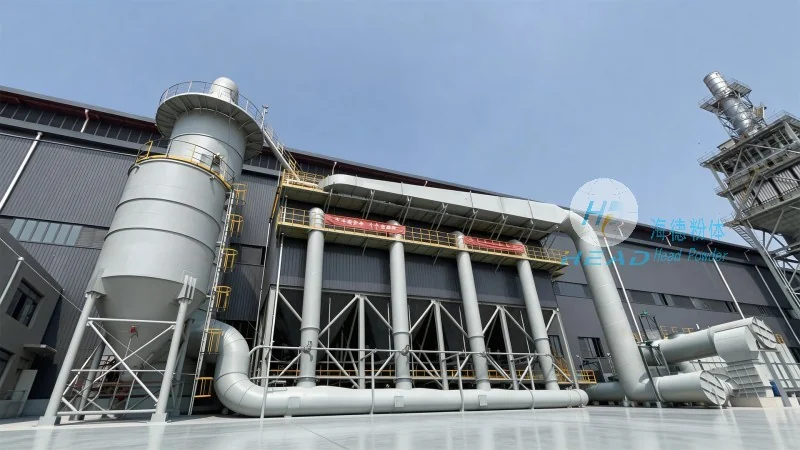
The working principles of tea powder conveying systems are based on the physical properties of the material and the principles of fluid dynamics. Pneumatic conveying systems operate by creating a pressure difference between the inlet and outlet of the conveying line. The compressed air creates a flow that carries the tea powder particles through the system. The velocity of the air is carefully controlled to ensure that the powder particles are suspended and transported without causing excessive wear or degradation. Mechanical conveyors, on the other hand, rely on the mechanical motion of the conveyor to move the powder. Screw conveyors use a rotating screw to push the powder forward, while belt conveyors use a moving belt to transport the material. The design of the conveyor system is critical to ensuring that the tea powder is handled gently and efficiently, preserving its quality and preventing contamination. The control system plays a crucial role in maintaining the stability of the process, adjusting parameters to compensate for variations in material flow or system pressure.
Benefits of Advanced Tea Powder Conveying Systems
Advanced tea powder conveying systems offer several benefits that enhance the efficiency and quality of tea processing operations. These systems provide consistent and reliable transportation of tea powder, reducing the risk of product loss or degradation. By maintaining a controlled environment, the systems prevent contamination from external sources, ensuring the purity of the tea powder. The use of advanced control systems allows for real-time monitoring and adjustment of the process, optimizing operational efficiency and reducing downtime. Additionally, the systems are designed to handle varying particle sizes and flow rates, making them versatile for different tea processing applications. The result is a more efficient and cost-effective tea processing operation, with improved product quality and customer satisfaction.
Conclusion
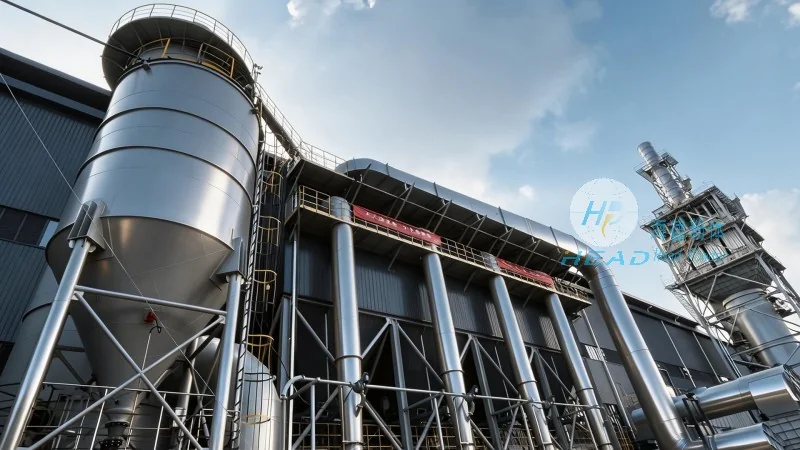
In conclusion, the operation process and working principles of tea powder conveying systems are critical to the success of tea processing operations. The systems designed by Shandong HeadPowder Engineering Co., Ltd. utilize advanced technology to address the unique challenges of handling tea powders, ensuring efficient and reliable transportation while maintaining product quality. By understanding the key components and working principles of these systems, tea processing facilities can optimize their operations, reduce costs, and improve overall efficiency. The advanced control systems and design features of these systems provide a reliable solution for tea powder conveying, making them an essential part of modern tea processing.