

Operation Process and Working Principle of Steel and Lime Pneumatic Conveying Equipment
Shandong HeadPowder Engineering Co., Ltd. specializes in the design, manufacturing, and supply of advanced pneumatic conveying systems, including equipment for transporting steel and lime materials. These systems are engineered to ensure efficient, reliable, and safe material handling in industrial applications. The following sections detail the operation process and working principles of such equipment, highlighting key components and operational dynamics.
Key Components of Pneumatic Conveying Systems
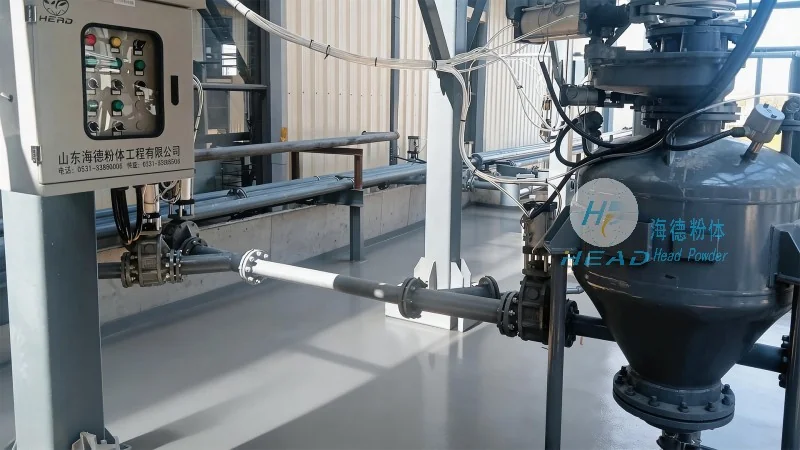
The core components of a steel and lime pneumatic conveying system typically include a hopper for material storage, a blower or compressor to generate air pressure, a pipeline network for material transport, and a discharge device at the receiving end. The hopper is designed to accommodate bulk materials like steel powders or lime, ensuring consistent feeding. The blower provides the necessary air flow and pressure to move the material through the pipeline. The pipeline, often made of durable materials such as stainless steel or plastic, is configured with bends, valves, and filters to maintain system efficiency. The discharge device, such as a rotary valve or a dust collector, ensures controlled material release at the destination.
Operation Process of Pneumatic Conveying
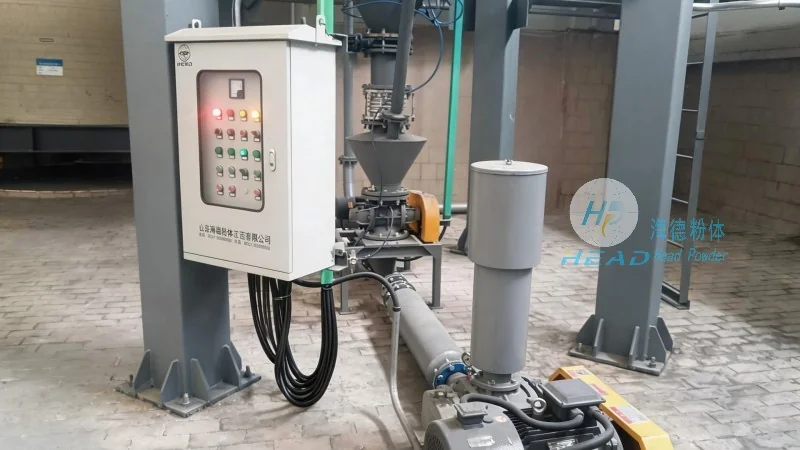
The operation process of a steel and lime pneumatic conveying system involves several sequential steps. Initially, the material is loaded into the hopper from a storage silo or bulk container. The system then activates the blower, which draws air from the hopper and propels the material particles along the pipeline. As the material travels, it is suspended in the air stream, allowing for smooth transport over long distances. At the receiving end, the material is discharged into a storage bin or processing unit. The system may include a filter to capture any fine particles and prevent dust emissions, ensuring compliance with environmental regulations. The entire process is automated, with sensors monitoring pressure, flow, and material levels to maintain optimal performance.
Working Principle of Pneumatic Conveying
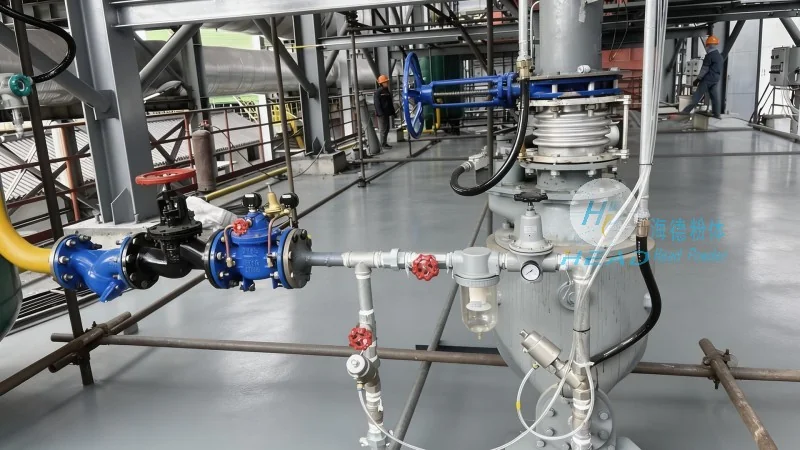
The working principle of pneumatic conveying relies on the fundamental concept of transporting solid materials in a gas stream. In a positive pressure system, the blower forces air into the hopper, creating a pressure differential that lifts and moves the material. The air velocity within the pipeline must be sufficient to keep the material particles suspended, preventing settling or blockages. The system may use a combination of pressure and vacuum to achieve different conveying modes, such as dilute phase (where material is dispersed in the air) or dense phase (where material is more concentrated). For steel and lime applications, the system is often configured as a dilute phase system due to the nature of the materials, which are fine powders or granules. The efficiency of the system depends on factors like material density, particle size, and pipeline length, all of which are optimized during the design phase.
Advantages of Pneumatic Conveying for Steel and Lime Handling
Pneumatic conveying offers several advantages over traditional mechanical conveying methods for steel and lime materials. It eliminates the need for moving parts in the pipeline, reducing maintenance requirements and extending equipment lifespan. The system is also highly flexible, allowing for changes in material flow direction or destination without major modifications. Additionally, pneumatic conveying can handle materials with varying properties, such as moisture content or abrasive characteristics, making it suitable for diverse industrial applications. The enclosed pipeline design minimizes dust emissions, improving workplace safety and environmental compliance. These benefits make pneumatic conveying an ideal solution for industries requiring efficient and reliable material transport.
Application Examples in Industrial Settings
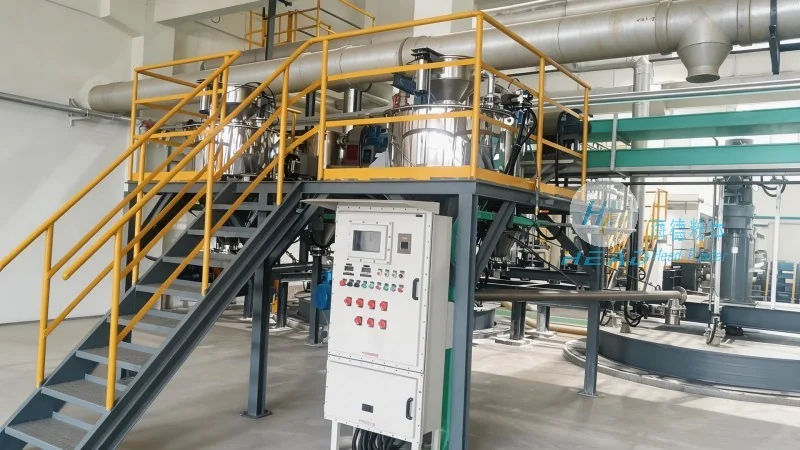
Steel and lime pneumatic conveying systems are widely used in various industrial sectors. In the steel industry, these systems are employed to transport raw materials like lime for steelmaking processes, ensuring consistent supply to furnaces. In the chemical industry, they handle lime for flue gas desulfurization, contributing to environmental compliance. The food and pharmaceutical industries also utilize pneumatic conveying for handling fine powders, maintaining hygiene and product quality. Each application requires customized system design to meet specific material characteristics and operational demands, highlighting the versatility of pneumatic conveying technology.