

Operation Process and Working Principle of a Clay Powder Pneumatic Conveying Machine
Clay powder pneumatic conveying machines are essential equipment in industrial applications, particularly for the efficient handling and transportation of fine powders like clay. These systems utilize air pressure to move materials through a pipeline, offering advantages such as dust-free operation, low maintenance, and the ability to transport materials over long distances. This article provides an in-depth look at the operation process and working principles of such machines, highlighting the key components and steps involved in their functionality.
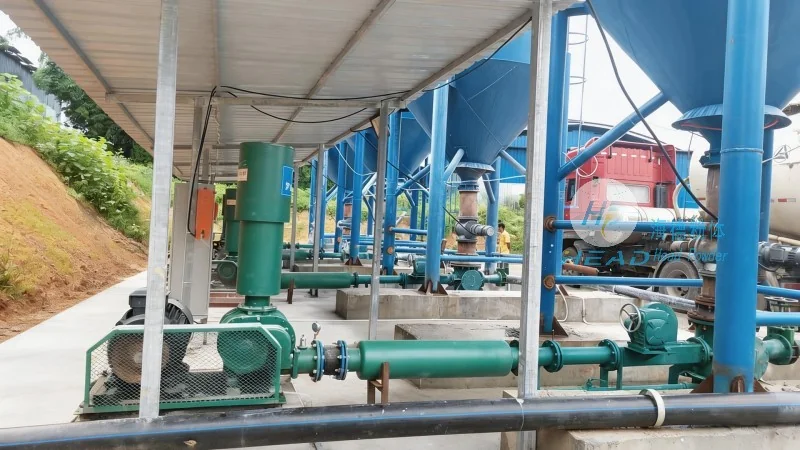
Introduction to Clay Powder Pneumatic Conveying Machines
Clay powder, a common raw material in industries like paper, ceramics, and pharmaceuticals, often requires specialized handling due to its fine particle size and potential for dust generation. Pneumatic conveying systems address these challenges by using compressed air to transport clay powder from storage or processing areas to production lines. The primary goal of these machines is to achieve reliable, continuous, and clean material transfer without the need for mechanical components that might cause contamination or wear.
Key Components of a Clay Powder Pneumatic Conveying System
The operation of a clay powder pneumatic conveying machine relies on several critical components, each playing a specific role in the overall process. The main parts include:
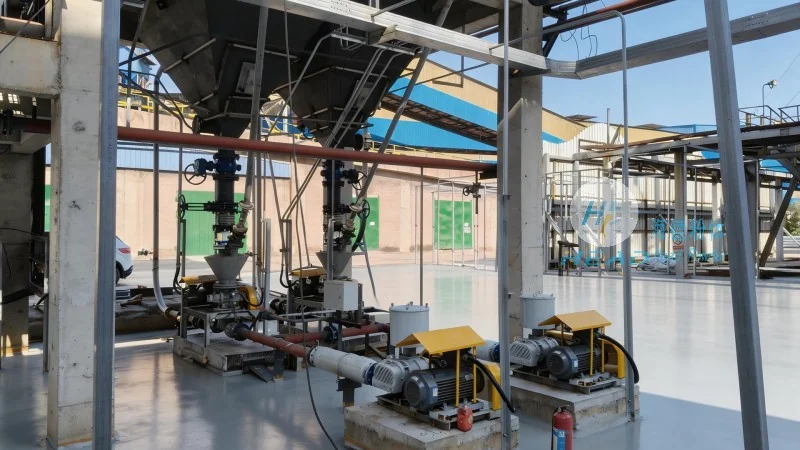
- Feeder: The feeder is responsible for introducing the clay powder into the conveying system. It ensures a consistent and controlled flow of material, preventing blockages and maintaining uniform particle distribution.
- Pneumatic Conveying Line: This is the central part of the system, consisting of a pipeline through which compressed air and the clay powder are transported. The line is typically made of materials like stainless steel or plastic to withstand the abrasive nature of the powder and the pressure of the air.
- Separation and Collection System: At the receiving end, the system separates the clay powder from the air. This often involves a cyclone separator or a bag filter, which captures the powder and returns it to the process while releasing clean air back into the environment.
- Compressor and Air Treatment: The compressor generates the necessary air pressure to move the powder through the line. Air treatment components, such as filters and dryers, ensure that the air is clean and free from moisture or contaminants that could affect the powder quality.
Working Principle of the Pneumatic Conveying Process
The working principle of a clay powder pneumatic conveying machine is based on the principle of fluidization and suspension. When compressed air is introduced into the feeder, it creates a low-pressure zone that draws the clay powder into the conveying line. The air and powder mixture then travels through the pipeline at high velocity, keeping the powder particles suspended and preventing them from settling or sticking to the pipe walls. This suspension is maintained by the air flow rate, which must be sufficient to overcome the gravitational forces acting on the particles.
Operation Process of a Clay Powder Pneumatic Conveying Machine
The operation process of a clay powder pneumatic conveying machine involves several sequential steps to ensure efficient and safe material transfer. The steps are as follows:
- System Preparation and Startup: Before operation, the system is checked for any blockages or leaks. The compressor is started, and the air treatment system is activated to ensure clean air is supplied. The feeder is then primed with clay powder to establish a steady flow.
- Material Feeding: The feeder continuously supplies clay powder into the conveying line. The flow rate is adjusted based on the required production rate, ensuring that the air flow maintains the powder in suspension.
- Powder Transportation: The compressed air and clay powder mixture travels through the pipeline to the receiving end. The velocity of the air is carefully controlled to prevent excessive pressure drops or particle deposition.
- Separation and Collection: At the receiving point, the mixture enters a separation device. The air is separated from the powder, and the powder is collected in a hopper or storage container. The clean air is then discharged or recirculated through the air treatment system.
- System Shutdown: When the operation is complete, the feeder is stopped, and the system is allowed to run for a short period to clear any remaining powder from the pipeline. The compressor is then shut down, and the system is secured.
Advantages and Considerations for Clay Powder Pneumatic Conveying
Clay powder pneumatic conveying machines offer several advantages over traditional mechanical conveying methods. These include:
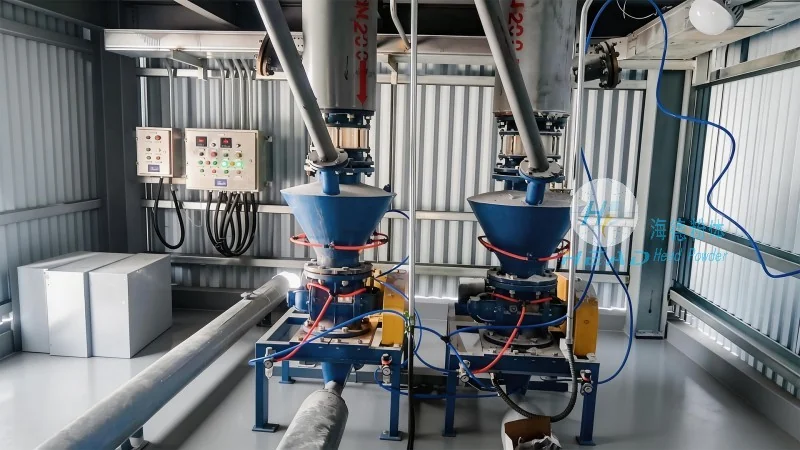
- Dust-Free Operation: The enclosed system prevents dust from escaping, reducing health hazards and environmental contamination.
- Low Maintenance: With fewer moving parts compared to mechanical systems, the pneumatic system requires less maintenance and has a longer service life.
- Ability to Transport Over Long Distances: The system can efficiently transport clay powder over distances of several hundred meters without significant loss of material.
- Flexibility in Layout: The pipeline can be arranged in various configurations, allowing for flexible plant layouts and easy integration with existing processes.
However, there are also considerations to keep in mind. The system requires a reliable source of compressed air, and the air pressure must be sufficient to handle the specific characteristics of the clay powder, such as particle size and moisture content. Additionally, the system's efficiency can be affected by factors like air flow rate, pipeline diameter, and the presence of blockages.
Conclusion
Clay powder pneumatic conveying machines are a vital component in modern industrial operations, providing efficient and safe transportation of fine powders. By understanding the working principles and operation process, users can optimize the system for their specific needs, ensuring reliable performance and minimal downtime. The technology, as exemplified by companies like Shandong HeadPowder Engineering Co., Ltd. based in China, continues to evolve to meet the demands of various industries, offering sustainable and effective solutions for material handling.