

Operating Process and Working Principle of Thermoplastic Polyurethane Pneumatic Conveying Equipment
HeadPowder, a leading manufacturer based in Shandong, China, specializes in the design and production of advanced pneumatic conveying systems. This article provides a detailed overview of the operating process and working principle of thermoplastic polyurethane (TPU) pneumatic conveying equipment, highlighting its key features and practical applications.
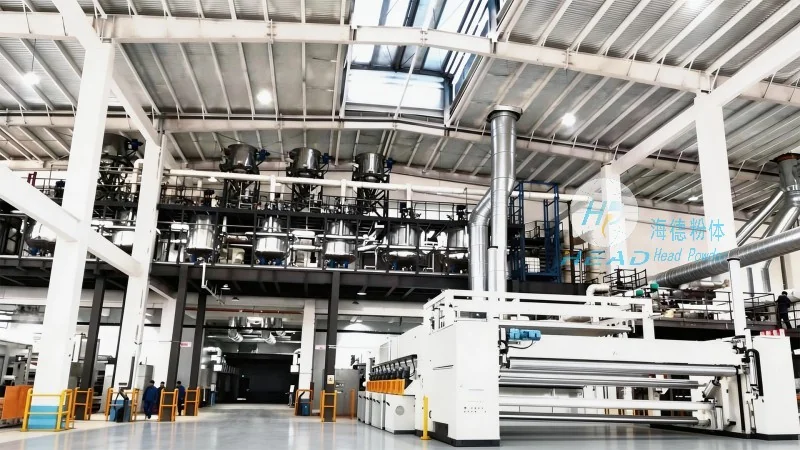
Introduction to Thermoplastic Polyurethane Pneumatic Conveying Equipment
Thermoplastic polyurethane (TPU) pneumatic conveying equipment represents a sophisticated solution for material handling in various industrial sectors. HeadPowder Engineering Co., Ltd., headquartered in Shandong, China, has been at the forefront of developing such systems, leveraging TPU's unique properties to enhance efficiency and durability in material transport. The equipment is engineered to handle a wide range of bulk materials, including powders, granules, and fine particles, with minimal maintenance and operational costs.
Key Components of the Pneumatic Conveying System
The thermoplastic polyurethane pneumatic conveying system typically consists of several critical components that work in tandem to ensure smooth material transport. These include the hopper for material storage, the conveying line (often equipped with TPU tubing), the air compressor or blower that generates the necessary airflow, and the control system for regulating pressure and flow. Each component is designed to withstand the demands of continuous operation while maintaining optimal performance.
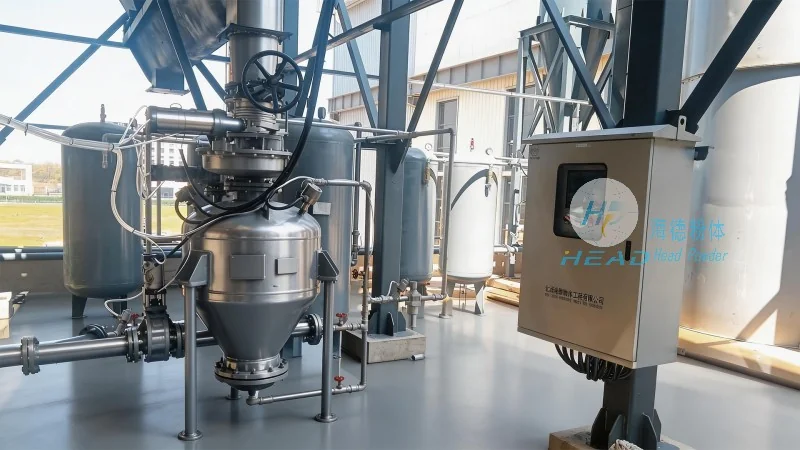
Operating Process of the Pneumatic Conveying Equipment
The operation of the thermoplastic polyurethane pneumatic conveying equipment follows a systematic process that ensures efficient material transfer from the source to the destination. Initially, bulk materials are fed into the hopper from the storage silo or container. The control system then activates the air compressor, which generates a high-pressure airflow through the TPU conveying line. As the air flows, it draws the material particles into the line, creating a dense phase flow that moves the material along the pipeline. The system maintains a consistent pressure and flow rate to prevent material degradation or blockages, ensuring reliable and continuous operation.
Working Principle of the Pneumatic Conveying System
The working principle of the thermoplastic polyurethane pneumatic conveying system is based on the fundamental concept of pneumatic transport, where material particles are suspended and transported by an air stream. The TPU material, known for its excellent abrasion resistance and flexibility, serves as the primary component of the conveying line, protecting the system from wear and tear caused by abrasive materials. The air compressor provides the necessary kinetic energy to move the material, while the control system optimizes the airflow to achieve the desired conveying rate. This combination of components allows for precise control over the material's movement, ensuring that the system operates efficiently and safely.
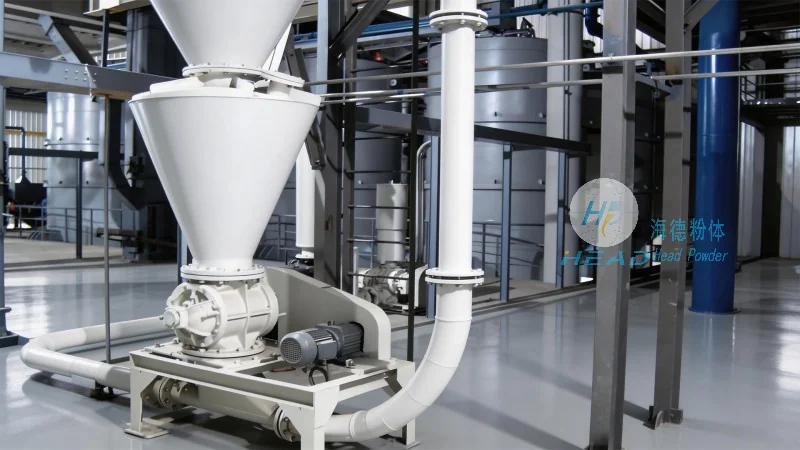
Advantages of Thermoplastic Polyurethane Pneumatic Conveying Equipment
Thermoplastic polyurethane pneumatic conveying equipment offers several advantages over traditional conveying methods. The use of TPU tubing reduces friction and wear, extending the service life of the system. The system is also highly flexible, allowing for easy installation and modification to accommodate different material types and process requirements. Additionally, the equipment is energy-efficient, with lower operational costs compared to other bulk material handling solutions. These benefits make TPU pneumatic conveying systems a preferred choice for industries such as pharmaceuticals, food processing, and chemical manufacturing.
Applications and Industries Served
The thermoplastic polyurethane pneumatic conveying equipment from HeadPowder Engineering Co., Ltd. is widely used in various industries due to its versatility and reliability. In the pharmaceutical industry, the equipment is used to transport sensitive powders and granules, ensuring contamination-free handling. In food processing, it handles dry ingredients like flour and sugar, maintaining hygiene standards. The chemical industry utilizes the system for transporting abrasive powders and granules, protecting equipment from wear. These applications highlight the adaptability of the TPU pneumatic conveying system to diverse industrial needs.
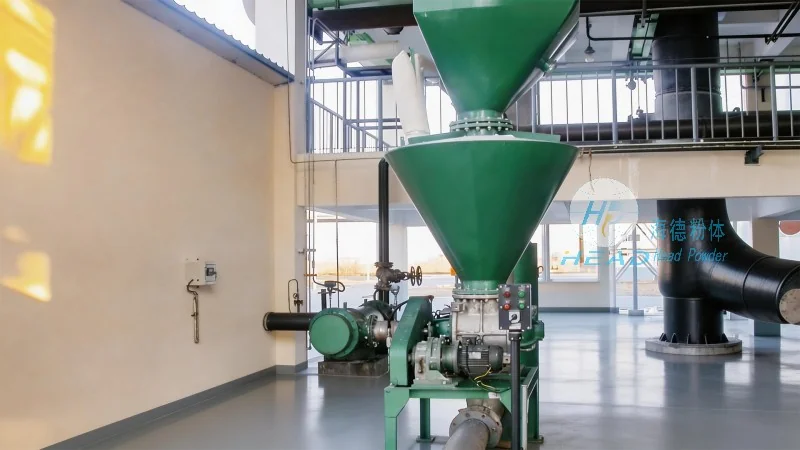
Maintenance and Operational Considerations
Proper maintenance is crucial to ensure the long-term performance and reliability of the thermoplastic polyurethane pneumatic conveying equipment. Regular inspection of the TPU tubing for signs of wear or damage is essential, as well as checking the air compressor and control system for optimal operation. The system should be cleaned periodically to prevent material buildup, which can affect performance. Additionally, the control system should be calibrated to maintain consistent pressure and flow rates, ensuring efficient material transport. By following these maintenance practices, users can maximize the lifespan of the equipment and minimize downtime.
Conclusion
Thermoplastic polyurethane pneumatic conveying equipment from HeadPowder Engineering Co., Ltd. represents a cutting-edge solution for bulk material handling, combining advanced materials and engineering to deliver efficient, reliable, and cost-effective operation. The system's operating process and working principle are designed to meet the demands of modern industrial applications, providing a robust and flexible solution for transporting a wide range of materials. With its headquarters in Shandong, China, HeadPowder continues to innovate and provide high-quality pneumatic conveying systems to industries worldwide.