

Operation Process and Working Principle of a Mixed Positive and Negative Pressure Pneumatic Conveyin
HeadPowder, a leading engineering company based in Shandong, China, specializes in the design, manufacturing, and implementation of advanced pneumatic conveying systems. Among their portfolio is the mixed positive and negative pressure system, a sophisticated solution that combines the advantages of both positive and negative pressure conveying methods to enhance material handling efficiency and flexibility. This article delves into the operational process and underlying principles of such a system, providing a comprehensive overview for industry professionals and potential clients.
Understanding the Core Components of a Mixed Positive and Negative Pressure System
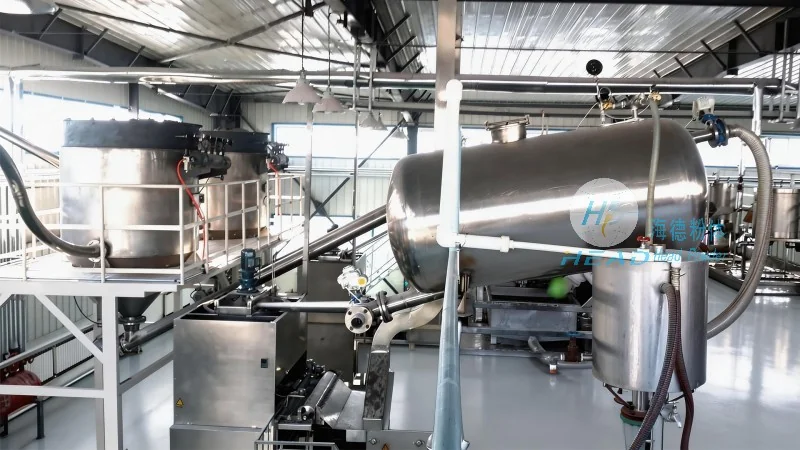
The mixed positive and negative pressure pneumatic conveying system consists of several key components that work in tandem to transport bulk materials. The primary components include a positive pressure section, a negative pressure section, a transfer unit, and a dust collection system. The positive pressure section typically uses a blower or compressor to generate high-pressure air that propels materials from the source to the transfer point. Conversely, the negative pressure section employs a vacuum system to draw materials from the transfer point to the destination. The transfer unit, often a rotary valve or a special type of feeder, acts as the interface between the two pressure zones, ensuring smooth material flow and preventing backflow. The dust collection system, integrated into the negative pressure section, captures any airborne particles, maintaining air quality and compliance with environmental regulations.
The Operational Process: From Source to Destination
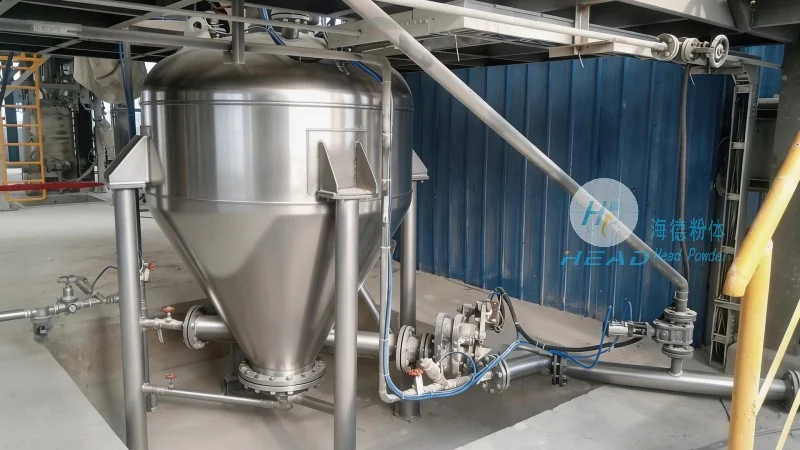
The operation of a mixed positive and negative pressure system follows a systematic sequence that ensures efficient material transport. The process begins at the material source, where bulk materials are fed into the positive pressure section via a hopper or feeder. The positive pressure blower then generates a high-pressure air stream that carries the material particles through the pipeline. At the transfer point, the material is directed into the negative pressure section. Here, the vacuum system creates a low-pressure environment that pulls the material from the transfer point towards the destination. The transfer unit, positioned at the interface, regulates the flow of material between the two pressure zones, ensuring that the material is conveyed without interruption or loss. The dust collection system in the negative pressure section captures any fine particles that may be entrained in the air, preventing contamination and maintaining a clean working environment. The entire process is controlled by a centralized system that monitors pressure levels, flow rates, and material levels, allowing for real-time adjustments to optimize performance and prevent system failures.
Working Principle: Combining Positive and Negative Pressure Dynamics
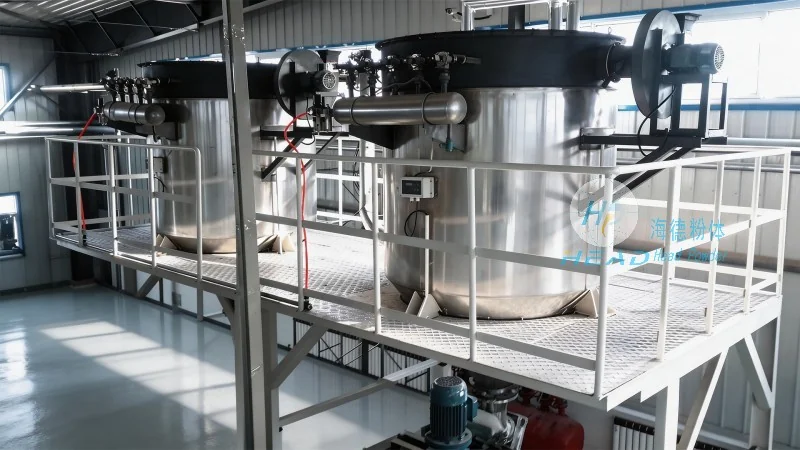
The working principle of a mixed positive and negative pressure system is based on the fundamental physics of fluid dynamics and material transport. In the positive pressure section, the high-pressure air stream creates a pressure gradient that propels the material particles forward. The velocity of the air stream is critical, as it must be sufficient to overcome the gravitational force acting on the material and the frictional resistance within the pipeline. The material particles are suspended in the air stream, forming a dilute or dense phase flow, depending on the system design and material characteristics. In the negative pressure section, the vacuum system creates a pressure differential that draws the material from the transfer point. The air flow in this section is designed to maintain a stable flow rate, ensuring that the material is pulled at a consistent speed. The combination of positive and negative pressure zones allows for the transportation of materials over long distances and varying elevations, with the positive pressure section handling the initial boost and the negative pressure section managing the final delivery. This hybrid approach minimizes energy consumption compared to systems that rely solely on positive or negative pressure, as it optimizes the use of each pressure type for specific segments of the conveying process.
Advantages and Applications of Mixed Positive and Negative Pressure Systems
HeadPowder's mixed positive and negative pressure pneumatic conveying systems offer several advantages over traditional single-pressure systems. The primary benefit is the enhanced flexibility in material handling, as the system can transport a wide range of bulk materials, including powders, granules, and even wet or sticky substances. The ability to handle varying material characteristics without significant modifications makes this system suitable for diverse industrial applications. Additionally, the mixed pressure approach reduces energy consumption by optimizing the pressure application, leading to lower operational costs and increased efficiency. The system also provides better control over material flow, minimizing product degradation and ensuring consistent quality. In industrial settings, such as pharmaceutical, food processing, and chemical manufacturing, where material purity and quality are paramount, this system is particularly valuable. It can be used for transporting raw materials to production lines, moving finished products to storage, or even for cleaning and maintenance operations, demonstrating its versatility and reliability.
Conclusion and Company Overview
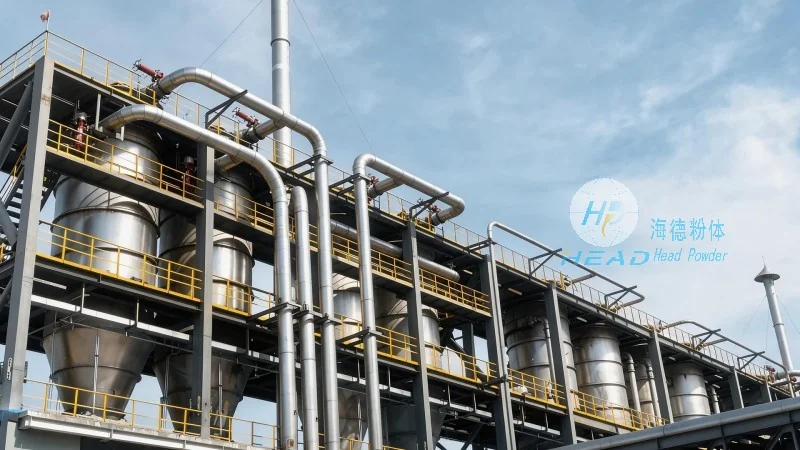
HeadPowder Engineering Co., Ltd., based in Shandong, China, is a trusted provider of advanced pneumatic conveying solutions, including the mixed positive and negative pressure system. By integrating cutting-edge technology with practical engineering, the company delivers systems that meet the specific needs of its clients while adhering to industry standards and environmental regulations. The operational process and working principles of such systems, as outlined above, highlight the sophistication and efficiency of modern material handling technology. For businesses seeking to improve their material transport processes, HeadPowder's mixed pressure systems offer a reliable and effective solution that combines the best features of positive and negative pressure conveying, ensuring optimal performance and long-term value.