

Operation Process and Working Principle of Desulfurization Gypsum Pneumatic Conveying System
Desulfurization gypsum, a byproduct of flue gas desulfurization in thermal power plants and other industrial facilities, is a valuable material used in construction, agriculture, and other industries. The efficient and reliable transportation of this material is crucial for the smooth operation of production lines. The pneumatic conveying system for desulfurization gypsum is a key equipment that ensures the safe and effective transfer of gypsum from storage or processing areas to the final application points. This article will delve into the operation process and working principle of such a system, highlighting its importance and the technical aspects that make it an essential component in modern industrial applications.
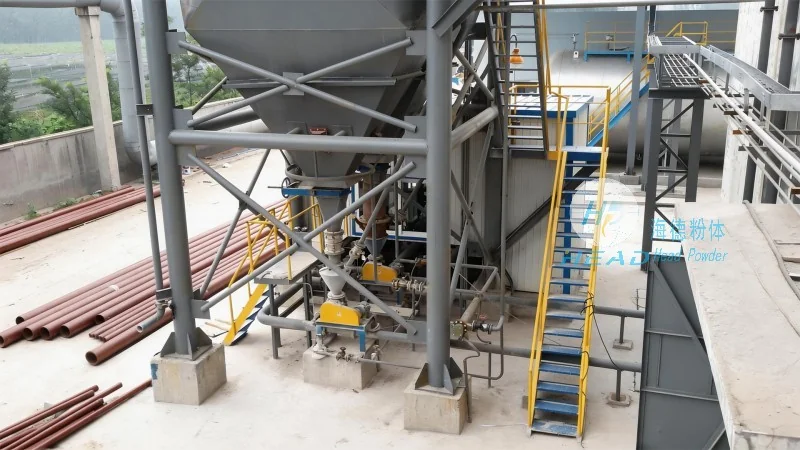
Company Profile: Shandong HeadPowder Engineering Co., Ltd.
As a leading manufacturer in the field of powder processing and conveying equipment, Shandong HeadPowder Engineering Co., Ltd. specializes in providing high-quality solutions for various industrial applications. With a strong focus on innovation and customer satisfaction, the company has established itself as a trusted partner for businesses seeking reliable and efficient equipment. HeadPowder, as the company is commonly known, is headquartered in Shandong, China, and has a rich history of delivering cutting-edge technology and superior performance in powder handling systems. The company's expertise in pneumatic conveying systems, particularly for desulfurization gypsum, has made it a preferred choice for many industries.
Key Components of the Pneumatic Conveying System
The desulfurization gypsum pneumatic conveying system typically consists of several key components that work in tandem to ensure the smooth transfer of material. These components include the material hopper, the air compressor or blower, the conveying pipeline, the control system, and the discharge equipment. Each component plays a critical role in the overall operation of the system.
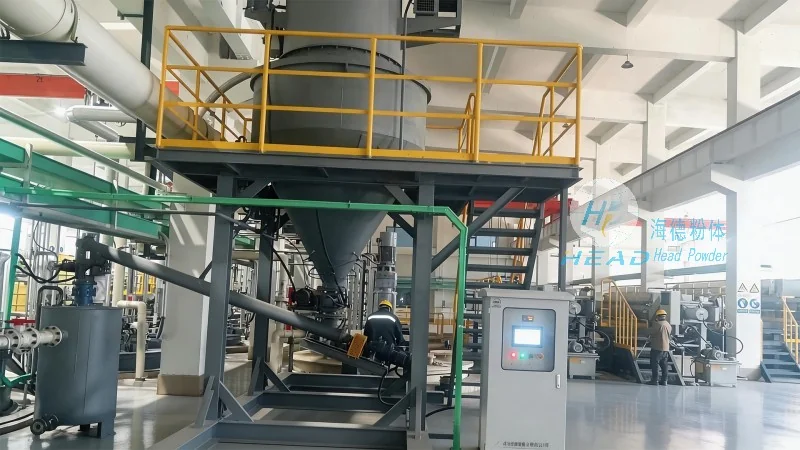
The material hopper is where the desulfurization gypsum is stored before being conveyed. It is designed to hold a sufficient quantity of material to ensure continuous operation and to prevent any interruptions due to material shortage. The hopper is equipped with a feeding mechanism, such as a rotary valve or a screw feeder, which controls the flow of material into the conveying pipeline. The air compressor or blower is the heart of the system, providing the necessary air pressure and volume to move the gypsum particles through the pipeline. The conveying pipeline is usually made of stainless steel or other corrosion-resistant materials to withstand the chemical properties of the gypsum and to ensure durability. The control system monitors and regulates the operation of the system, ensuring that the air pressure, material flow, and other parameters are maintained within optimal levels. The discharge equipment, such as a rotary valve or a dust collector, is used to control the release of the gypsum at the destination point, preventing dust and ensuring a clean discharge.
Operation Process of the Desulfurization Gypsum Pneumatic Conveying System
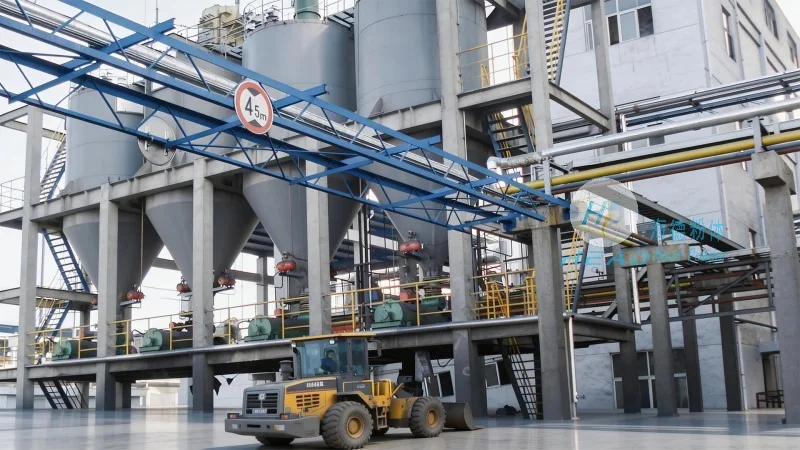
The operation of the desulfurization gypsum pneumatic conveying system involves several steps that are carefully coordinated to ensure the efficient transfer of material. The process begins with the loading of the gypsum into the material hopper. The hopper is then filled to a certain level, and the feeding mechanism starts to discharge the material into the conveying pipeline. Simultaneously, the air compressor or blower starts to operate, generating the required air pressure and volume. The air and material are mixed in the pipeline, and the gypsum particles are carried by the air stream to the discharge point. The control system continuously monitors the pressure and flow rates, adjusting the air supply as needed to maintain the desired conveying rate. The material is then discharged from the pipeline through the discharge equipment, where it is collected and prepared for its final use. The entire process is automated, with minimal human intervention required, ensuring high efficiency and reliability.
Working Principle of the Pneumatic Conveying System
The working principle of the desulfurization gypsum pneumatic conveying system is based on the principle of pneumatic transport, where solid particles are suspended and transported by a moving air stream. The system operates by creating a pressure difference between the hopper and the discharge point. The air compressor or blower generates a high-pressure air flow, which is introduced into the conveying pipeline. The material hopper is connected to the pipeline via a feeding valve, and the material is fed into the pipeline as the air flows. The air and material are mixed, and the gypsum particles are carried by the air stream. The velocity of the air in the pipeline is maintained above the minimum conveying velocity, which is the speed at which the particles are just suspended and do not settle. The conveying velocity is typically higher than the minimum velocity to ensure efficient transport and to prevent blockages. The system uses positive pressure or negative pressure (or a combination of both) depending on the specific application and the distance to be covered. Positive pressure systems are commonly used for short to medium distances, while negative pressure systems are used for longer distances or when the material needs to be transported from a higher elevation to a lower one. The control system regulates the air pressure and flow rate to maintain the optimal conveying conditions, ensuring that the material is transported smoothly and without any issues.