

Operation Process and Working Principle of Polyvinyl Butyral Pneumatic Conveying System
Shandong HeadPowder Engineering Co., Ltd., located in Shandong, China, specializes in the design, manufacturing, and implementation of advanced pneumatic conveying systems for various industrial applications. This article provides a detailed overview of the operation process and working principles of a Polyvinyl Butyral (PVB) pneumatic conveying system, highlighting the key components, operational steps, and technical aspects that ensure efficient and reliable material handling.
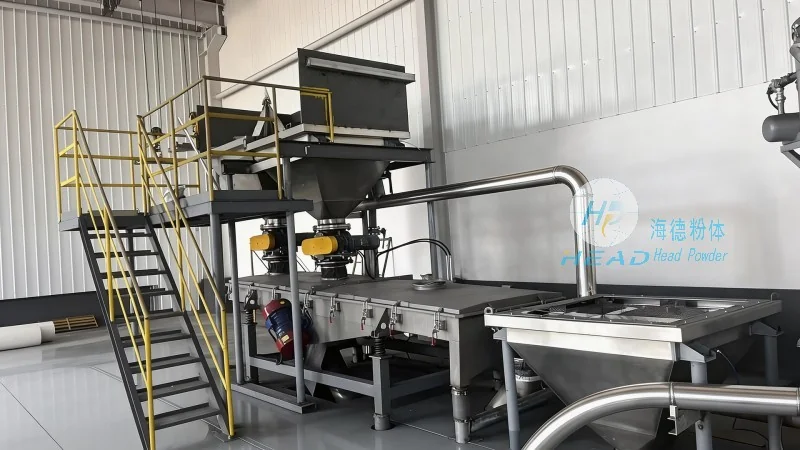
PVB Pneumatic Conveying System: An Overview
Polyvinyl Butyral (PVB) is a versatile polymer widely used in the production of safety glass, coatings, and other industrial products. The PVB pneumatic conveying system is engineered to transport PVB powder or granules from storage silos or production lines to processing units with precision and minimal loss. This system combines the advantages of pneumatic transport—such as low maintenance, flexibility in layout, and the ability to handle abrasive or sensitive materials—with the specific requirements of PVB, ensuring optimal performance in demanding industrial environments.
Key Components of the PVB Pneumatic Conveying System
The PVB pneumatic conveying system consists of several critical components that work in tandem to achieve efficient material transport. These components include:
- Feeder: A device that regulates the flow of PVB material from the storage hopper into the conveying line, ensuring a consistent and controlled feed rate.
- Conveying Pipe: The main pipeline through which the PVB material is transported, typically made of corrosion-resistant materials like stainless steel or special polymers to withstand the chemical properties of PVB.
- Air Supply Unit: Comprised of a blower or compressor that generates the necessary air pressure to move the PVB particles through the pipe, with options for both positive and negative pressure systems depending on the application.
- Separation and Collection Equipment: Devices such as cyclones or filters that separate the PVB particles from the air stream and collect them in designated containers, preventing dust emissions and ensuring material purity.
- Control System: An automated system that monitors and controls the entire operation, including flow rates, pressure, and air volume, to maintain optimal performance and prevent system failures.
Operation Process: Step-by-Step Guide
The operation of the PVB pneumatic conveying system follows a systematic process to ensure smooth and efficient material transport. The steps involved are as follows:
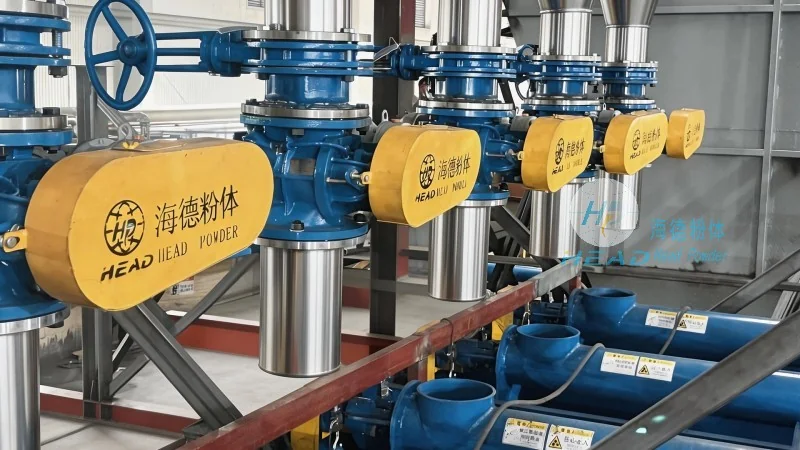
- Material Preparation: PVB powder or granules are stored in a silo or hopper, where they are prepared for transport. The feeder then draws the material from the storage container and meters it into the conveying line at a controlled rate.
- Air Injection: The air supply unit generates a high-pressure air stream, which is introduced into the conveying pipe at the inlet point. The air velocity is adjusted to match the material's characteristics, ensuring that the PVB particles are entrained and transported effectively.
- Pneumatic Conveying: As the air flows through the pipe, it carries the PVB particles along, creating a suspension of material and air. The system maintains a consistent air velocity to prevent material settling or blockages in the pipe.
- Separation and Collection: At the receiving end of the system, the air and PVB particles are separated using a cyclone or filter. The PVB material is collected in a container, while the air is either recirculated or vented to the atmosphere, depending on the system design.
- System Monitoring and Control: The control system continuously monitors key parameters such as pressure, flow rate, and temperature, adjusting the air supply and feeder settings as needed to maintain optimal performance and prevent system issues.
Working Principle: How the System Transports PVB
The working principle of the PVB pneumatic conveying system is based on the fundamental concept of pneumatic transport, which involves the use of air to move solid particles. There are two primary types of pneumatic conveying systems: positive pressure and negative pressure. The choice of system depends on factors such as the distance to be covered, the material's properties, and the desired level of dust control.
In a positive pressure system, the air is blown into the conveying pipe, creating a high-pressure environment that pushes the PVB particles forward. This method is suitable for short to medium distances and is effective for handling fine powders like PVB. The air velocity is typically maintained at a level that ensures the particles are fully entrained and do not settle in the pipe.
In a negative pressure system, the air is drawn out of the conveying pipe, creating a low-pressure environment that pulls the PVB particles into the system. This method is often used for longer distances or when handling larger particles, as it can maintain a consistent flow rate over greater distances. The system is equipped with filters and dust collectors to prevent air leakage and maintain air quality.
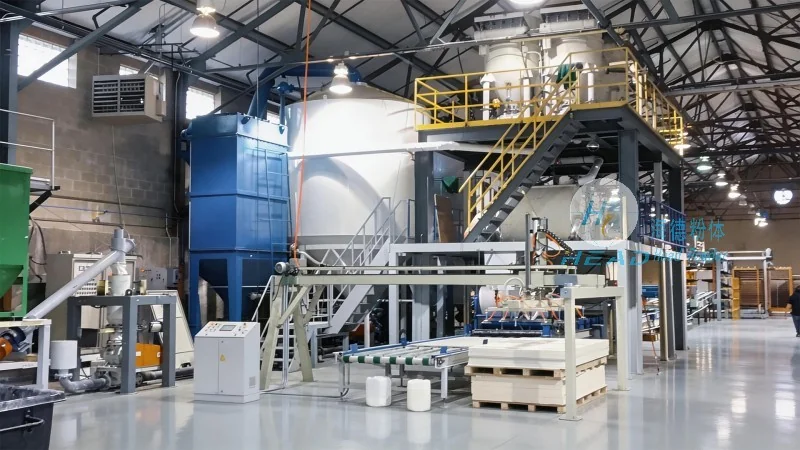
The PVB material's properties, such as its density, particle size, and moisture content, play a crucial role in the system's performance. The system is designed to handle these characteristics, ensuring that the PVB particles are transported without agglomeration or degradation. The air velocity and pressure are carefully calibrated to match the material's behavior, preventing blockages and ensuring a smooth flow.
Benefits and Applications of the PVB Pneumatic Conveying System
The PVB pneumatic conveying system offers several advantages over traditional mechanical conveying methods, making it an ideal choice for industrial applications. These benefits include:
- Efficiency and Speed: The system provides rapid and continuous material transport, reducing downtime and increasing production throughput.
- Low Maintenance: With fewer moving parts compared to mechanical systems, the pneumatic system requires minimal maintenance, lowering operational costs.
- Flexibility in Layout: The system can be easily reconfigured or expanded to accommodate changes in production processes or facility layouts.
- Reduced Dust and Contamination: The enclosed design of the system minimizes dust emissions and prevents cross-contamination, ensuring product purity.
- Ability to Handle Sensitive Materials: The gentle handling of PVB particles prevents degradation or damage, maintaining the quality of the material.
Shandong HeadPowder Engineering Co., Ltd. has extensive experience in designing and implementing PVB pneumatic conveying systems for various industries, including automotive, construction, and electronics. The company's expertise in material handling and system integration ensures that clients receive customized solutions tailored to their specific needs, optimizing their production processes and enhancing overall operational efficiency.