

Operation Process and Working Principle of PVC Pneumatic Conveying Systems
For industrial applications involving the handling of polyvinyl chloride (PVC) materials, pneumatic conveying systems offer an efficient and reliable method for material transport. This article provides an in-depth look at the operation process and working principles of such systems, highlighting the key components and the step-by-step procedures involved in their functionality. The information is presented by Shandong HeadPowder Engineering Co., Ltd., a leading provider in the field, with operations based in Shandong, China.
Company Overview
Shandong HeadPowder Engineering Co., Ltd., commonly known as HeadPowder, is a specialized engineering firm dedicated to the design, manufacturing, and implementation of pneumatic conveying solutions. With a strong presence in Shandong, China, the company has built a reputation for delivering high-quality systems tailored to the specific needs of various industries. HeadPowder's expertise lies in optimizing material handling processes, ensuring efficiency and safety in the transport of PVC and other bulk materials.
Introduction to PVC Pneumatic Conveying Systems
Polyvinyl chloride (PVC) is a widely used polymer in manufacturing, construction, and various industrial applications. The handling of PVC powders or granules often requires specialized equipment to maintain material integrity and prevent contamination. Pneumatic conveying systems address these challenges by utilizing air or gas to transport materials through a pipeline network. These systems are particularly advantageous for PVC due to their ability to handle fine powders and granules without the need for mechanical components that could cause wear or contamination.
Key Components of the System
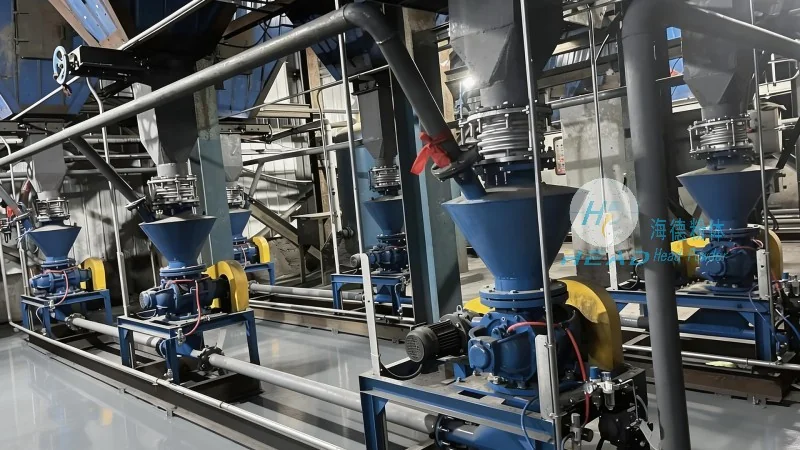
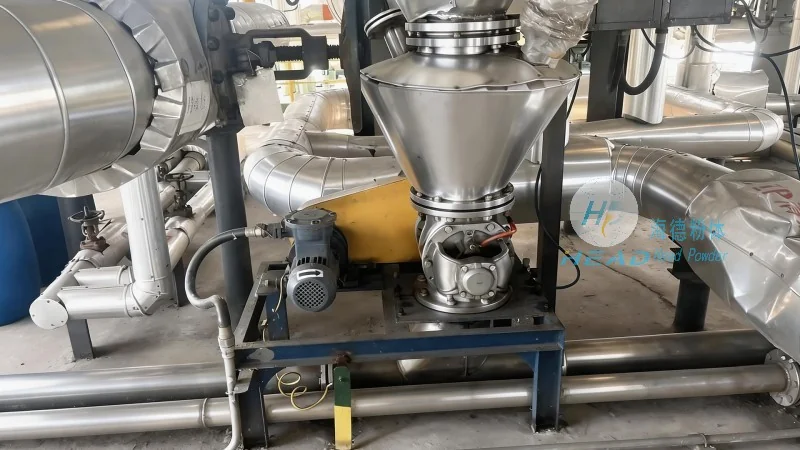
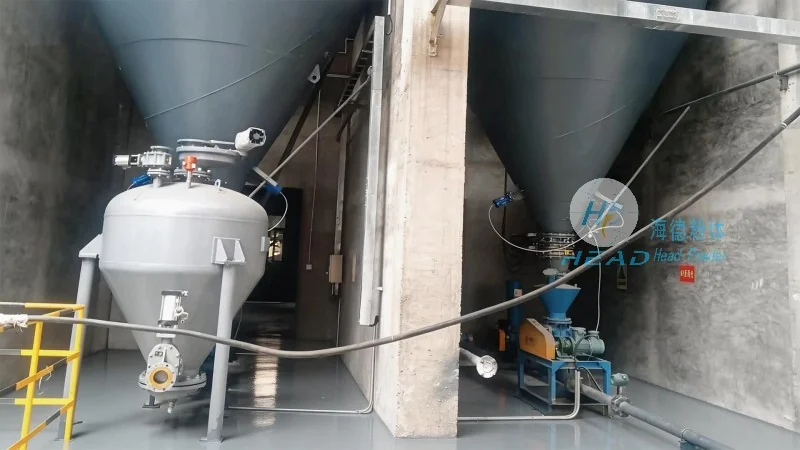
The PVC pneumatic conveying system typically consists of several critical components that work in concert to achieve effective material transport. These include the material hopper or feeder, the air supply unit (blower or compressor), the conveying pipeline, the control valves, and the discharge or collection equipment. Each component plays a vital role in the overall operation, ensuring that the system operates smoothly and efficiently.
Operation Process: Step-by-Step
The operation of a PVC pneumatic conveying system involves a series of well-defined steps that ensure the material is transported from the source to the destination without interruption. The process begins with the loading of PVC material into the hopper. The feeder then regulates the flow of material into the pipeline, while the air supply unit generates the necessary air pressure or vacuum to move the material. Control valves are used to direct the flow and adjust the pressure as needed. The material is then conveyed through the pipeline to the discharge point, where it is collected in a storage bin or processing equipment. The system may also include a filter or cyclone to separate the material from the air, ensuring that the air is clean before being released back into the environment.
Working Principle: How It Functions
The core principle behind pneumatic conveying is the use of air or gas to create a flow that transports the material. There are two main types of pneumatic conveying systems: suction (or vacuum) and pressure systems. In suction systems, a vacuum is created at the material source to draw the material into the pipeline. In pressure systems, compressed air is used to push the material from the source to the destination. For PVC applications, both types are commonly used, with the choice depending on the distance, material characteristics, and system requirements. The system's efficiency is determined by factors such as air velocity, material density, and pipeline design, all of which are optimized by the engineering team at HeadPowder to ensure maximum performance.
Advantages of PVC Pneumatic Conveying Systems
Implementing a pneumatic conveying system for PVC materials offers several advantages over traditional mechanical conveying methods. These include reduced material degradation due to minimal contact with mechanical parts, improved safety by eliminating the need for manual handling of powders, and enhanced process control through precise flow regulation. Additionally, the systems are relatively compact and can be easily integrated into existing industrial setups, making them a cost-effective solution for many applications. The reliability and efficiency of these systems contribute to increased productivity and reduced downtime in production processes.
Maintenance and Best Practices
To ensure the long-term performance and reliability of a PVC pneumatic conveying system, regular maintenance is essential. This includes checking the air supply unit for proper operation, inspecting the pipeline for blockages or leaks, and cleaning the filter or cyclone to maintain air quality. Proper training of operators on the system's operation and safety procedures is also crucial. By following these best practices, users can maximize the lifespan of their equipment and minimize operational costs. HeadPowder provides comprehensive support and maintenance services to its clients, ensuring that their systems remain in optimal condition.
Conclusion
PVC pneumatic conveying systems represent a sophisticated and efficient solution for the transport of polyvinyl chloride materials in industrial settings. By understanding the operation process and working principles, as well as adhering to proper maintenance practices, users can leverage these systems to enhance productivity and safety. Shandong HeadPowder Engineering Co., Ltd. continues to innovate and provide tailored solutions to meet the evolving needs of the industry, ensuring that clients receive high-quality, reliable equipment for their material handling requirements.