

Operation Process and Working Principle of a Calcium Carbonate Powder Pneumatic Conveying System
Calcium carbonate powder is a widely used material in various industrial applications, and efficient handling of this fine powder is crucial for maintaining production efficiency and product quality. Pneumatic conveying systems offer a reliable solution for transporting calcium carbonate powder from storage to processing units, or between different stages of production. This article provides an overview of the operation process and working principle of a typical calcium carbonate powder pneumatic conveying system, highlighting key components, operational steps, and the benefits of such systems.
Key Components of a Pneumatic Conveying System for Calcium Carbonate Powder
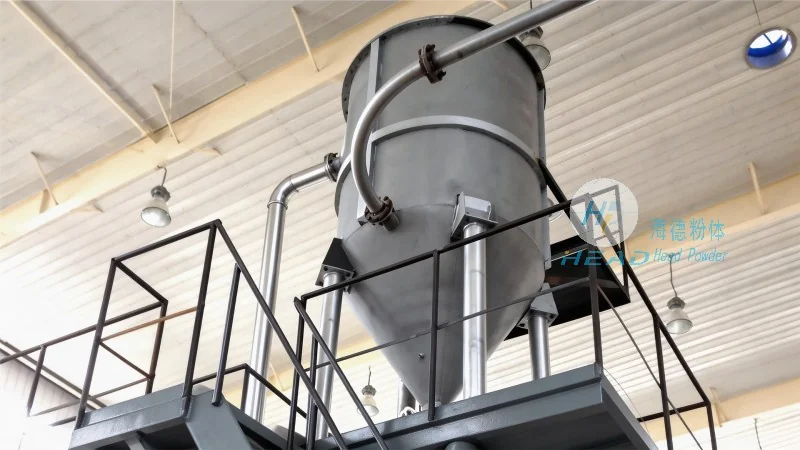
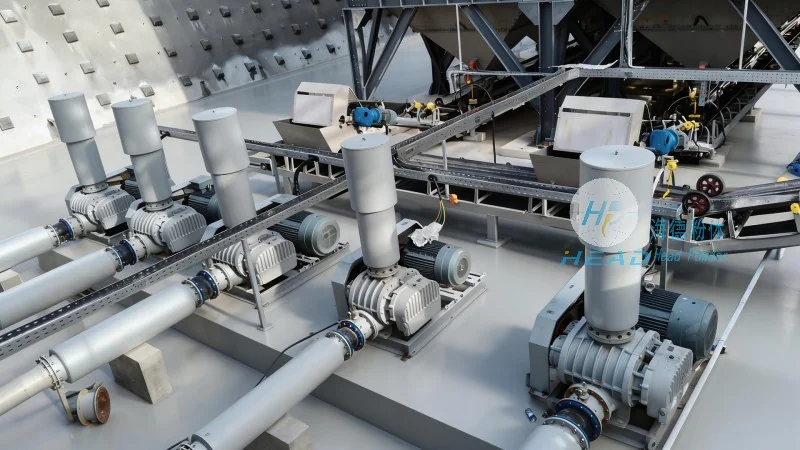
A pneumatic conveying system for calcium carbonate powder typically consists of several essential components that work in coordination to achieve efficient material transport. The main components include a hopper or storage silo for holding the powder, a feeder or metering device to control the flow rate, a conveying line (usually made of metal or flexible tubing), a pressure or vacuum source (such as a blower or vacuum pump), and a receiver or discharge hopper at the destination. Additionally, auxiliary components like filters, cyclones, and dust collectors may be included to ensure clean and safe operation, especially when dealing with fine powders that can generate dust.
Working Principle of the Pneumatic Conveying Process
The operation of a calcium carbonate powder pneumatic conveying system is based on the principle of transporting solid particles through a gas stream. There are two primary modes of pneumatic conveying: pressure and vacuum. In a pressure system, a blower or compressor generates positive pressure inside the conveying line, pushing the powder from the source to the destination. In a vacuum system, a vacuum pump creates a negative pressure, drawing the powder into the line and moving it to the receiver. For calcium carbonate powder, which is often handled in bulk quantities, a pressure system is commonly preferred due to its ability to handle higher flow rates and longer distances without significant pressure drop.

Operation Process: Step-by-Step Guide
The operation process of a calcium carbonate powder pneumatic conveying system involves several sequential steps to ensure smooth and efficient material transport. The following steps outline the typical workflow:
- Material Loading: The calcium carbonate powder is loaded into the storage hopper or silo. The hopper is equipped with a lid and a discharge valve to control the material flow into the feeder.
- Feeder Operation: The feeder, such as a rotary valve or screw feeder, regulates the flow rate of the powder from the hopper into the conveying line. This step is critical to maintain a consistent flow and prevent blockages or overloading of the system.
- Conveying Medium Generation: The pressure blower or vacuum pump is activated, generating the necessary air pressure or vacuum to move the powder through the conveying line. The air flow rate is adjusted to match the powder flow rate, ensuring that the particles are fully entrained in the gas stream.
- Powder Transport: The powder particles are carried by the air stream through the conveying line to the receiver or discharge hopper at the destination. The conveying line may include bends, elbows, or expansion joints to accommodate changes in direction or elevation.
- Material Discharge: At the receiving end, the powder is deposited into the receiver hopper. The receiver is designed to handle the incoming flow and may include a discharge valve or conveyor to transfer the powder to the next processing stage.
- System Shutdown: When the material transport is complete, the system is shut down by stopping the blower or vacuum pump and closing the feeder and discharge valves. Proper cleaning procedures are then followed to remove any residual powder from the conveying line and components.
Benefits and Advantages of Pneumatic Conveying for Calcium Carbonate Powder
Implementing a pneumatic conveying system for calcium carbonate powder offers several advantages over traditional methods like bucket elevators or belt conveyors. These benefits include:
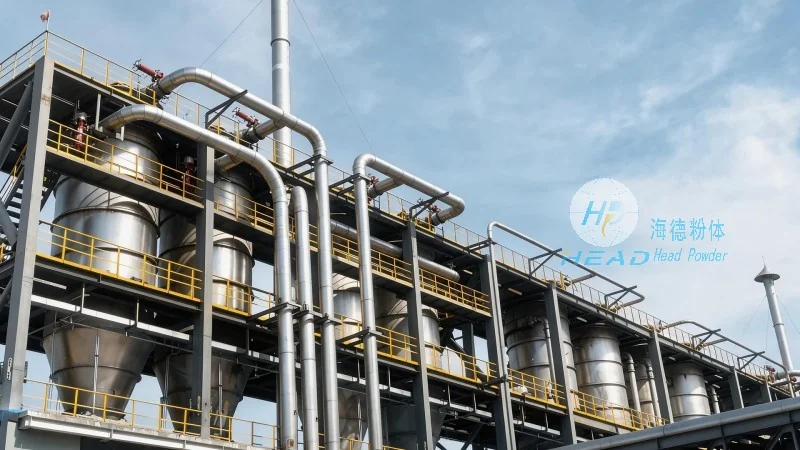
- Reduced Labor and Maintenance: Pneumatic systems require less manual labor for operation and have fewer moving parts compared to mechanical conveyors, resulting in lower maintenance costs and downtime.
- Improved Product Quality: The enclosed system prevents contamination from external sources and minimizes dust exposure, which is crucial for maintaining the purity and quality of calcium carbonate powder, especially for applications in food, pharmaceuticals, or cosmetics.
- Flexibility in Layout: Pneumatic conveying allows for flexible installation, as the conveying line can be routed horizontally, vertically, or at various angles, enabling efficient material transport between different locations within a facility.
- Energy Efficiency: Modern pneumatic systems are designed to be energy-efficient, with adjustable air flow rates that optimize energy consumption based on the required flow rate and distance.
Applications and Industries Using Calcium Carbonate Powder Pneumatic Conveying
Calcium carbonate powder is used in a wide range of industries, and pneumatic conveying systems are employed in various applications where efficient bulk handling is required. Some common applications include: