

Operation Process and Working Principle of Mineral Particle Pneumatic Conveying
Shandong HeadPowder Engineering Co., Ltd., commonly known as headpowder, is a professional enterprise specializing in the research, development, and production of pneumatic conveying systems. The company is headquartered in Shandong, China, and has been committed to providing high-quality solutions for mineral particle handling and transportation. With years of experience in the industry, headpowder has established itself as a reliable partner for clients seeking efficient and reliable pneumatic conveying solutions.
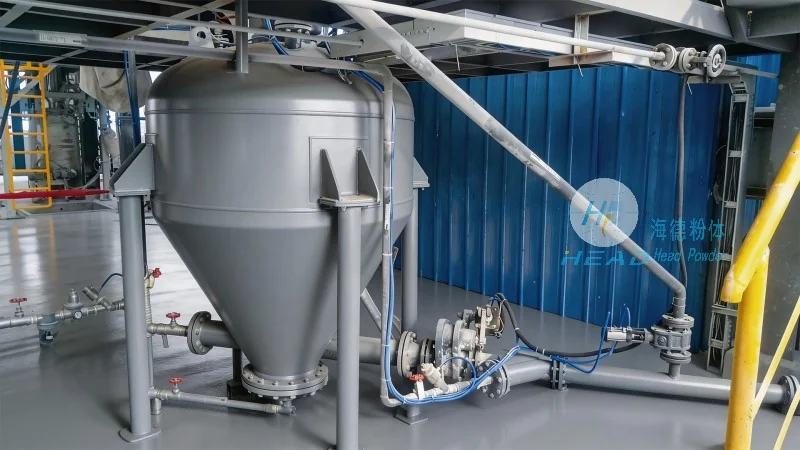
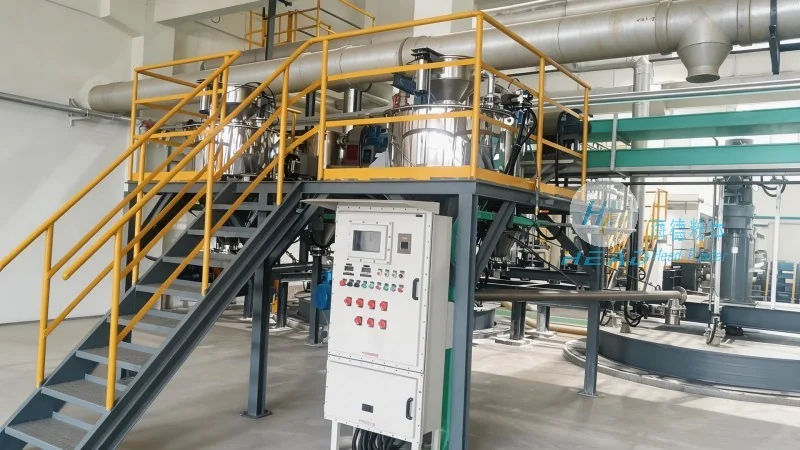
The Operation Process of Mineral Particle Pneumatic Conveying
Pneumatic conveying, also known as air conveying, is a method used to transport bulk materials like mineral particles through a pipeline using air as the conveying medium. The operation process typically involves several key steps. First, the mineral particles are loaded into the hopper or feeding device. Then, the air is introduced into the system, creating a flow that lifts and moves the particles through the pipeline. The system may include components such as a blower, filter, and control valves to regulate the air flow and particle movement. The process ensures that the mineral particles are transported efficiently and safely, minimizing the risk of material degradation or loss.
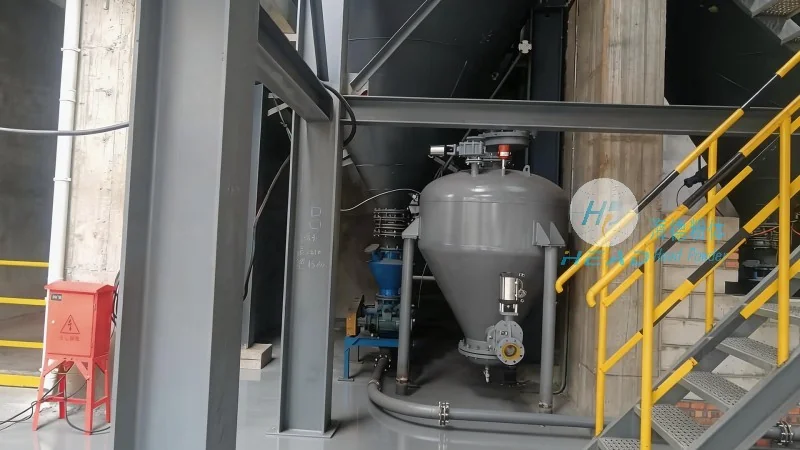
Working Principle of Mineral Particle Pneumatic Conveying
The working principle of pneumatic conveying for mineral particles relies on the interaction between the air flow and the particles. In a typical system, a blower or compressor generates the necessary air pressure to create a flow within the pipeline. The air flow carries the mineral particles, which are suspended in the air stream. The velocity of the air is crucial; it must be sufficient to lift the particles and maintain their suspension throughout the conveying process. The system may use different types of conveying, such as dilute-phase or dense-phase, depending on the material characteristics and application requirements. Dilute-phase conveying involves a higher air-to-material ratio, while dense-phase conveying uses a lower ratio, allowing for more controlled and gentle handling of the particles. The working principle ensures that the mineral particles are transported with minimal impact, preserving their quality and reducing the risk of clogging or blockages in the pipeline.
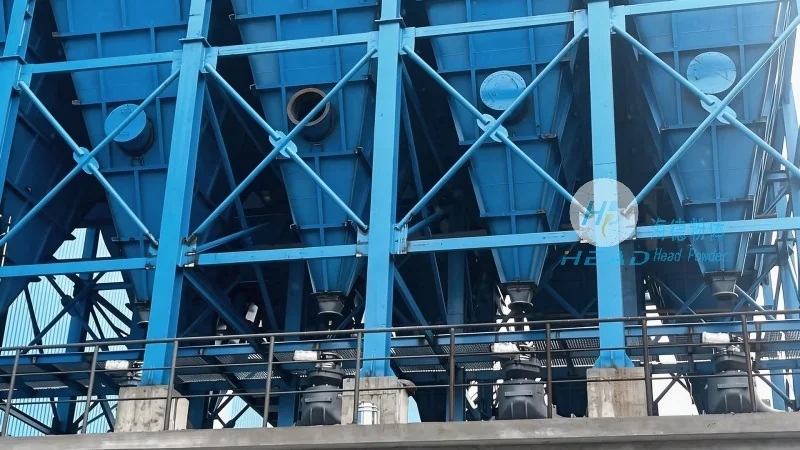
Key Features and Benefits of Pneumatic Conveying Systems
Headpowder's pneumatic conveying systems offer several advantages for mineral particle handling. One of the primary benefits is the ability to transport materials over long distances without the need for mechanical components like belts or buckets. This reduces maintenance costs and operational downtime. Additionally, the system is flexible and can be adapted to various material types, including powders, granules, and bulk solids. The enclosed pipeline design also helps to contain dust and prevent environmental contamination, making it suitable for applications where dust control is critical. Furthermore, the system can be integrated with other processing equipment, such as storage silos or processing units, to create a seamless material handling workflow. The efficiency and reliability of pneumatic conveying make it an ideal choice for industries that require consistent and high-volume material transport.