

The Operation Process and Working Principle of Rubber Granule Pneumatic Conveying
HeadPowder, a leading provider in the field, specializes in the design, manufacturing, and application of pneumatic conveying systems tailored for rubber granules. This article delves into the operational process and underlying principles of rubber granule pneumatic conveying, offering insights into how these systems efficiently transport rubber granules from one location to another. The company, based in Shandong, China, leverages advanced engineering and industry expertise to deliver reliable solutions for various industrial applications.
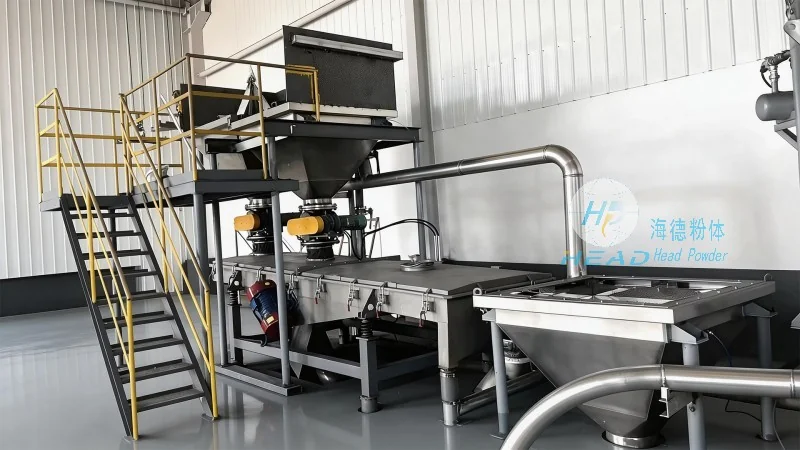
Working Principle of Pneumatic Conveying
The core principle of pneumatic conveying for rubber granules involves the use of air to transport material through a pipeline system. In this process, a blower or compressor generates a flow of air that moves the rubber granules from the source (such as a storage hopper or processing unit) to the destination (like a mixer, storage silo, or processing line). The system typically operates under either positive pressure (where air pushes the material) or negative pressure (where air pulls the material). For rubber granules, positive pressure systems are more common due to their ability to handle abrasive materials and maintain consistent flow rates. The conveying process relies on the interaction between the air velocity and the particle size, density, and shape of the rubber granules. Proper air velocity is crucial to ensure that the granules remain suspended in the air stream, preventing blockages and ensuring smooth transport.
Key Components and Their Roles
A pneumatic conveying system for rubber granules consists of several critical components, each playing a vital role in the overall operation. These components include the air source (blower or compressor), the feed hopper, the conveying line (usually made of stainless steel or other corrosion-resistant materials to handle rubber granules), the control valves, and the discharge device. The air source provides the necessary pressure and volume of air to drive the conveying process. The feed hopper stores the rubber granules and regulates the flow rate into the conveying line, preventing overloading and ensuring a steady supply of material. The conveying line transports the rubber granules and air mixture from the feed point to the discharge point. Control valves are used to regulate the air flow and pressure, allowing for adjustments to the conveying rate and system performance. The discharge device, such as a rotary valve or a venturi, controls the release of the rubber granules at the destination, ensuring a controlled and efficient discharge process.
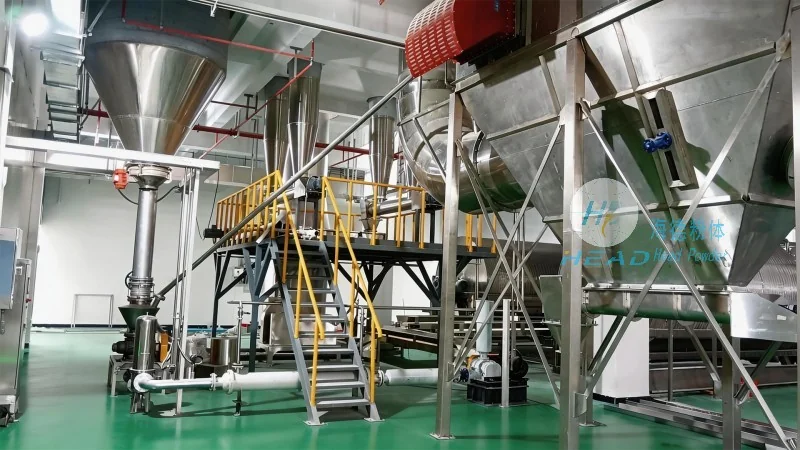
Operation Process of Rubber Granule Pneumatic Conveying
The operation process of a rubber granule pneumatic conveying system involves several sequential steps. First, the rubber granules are loaded into the feed hopper. The hopper is equipped with a feeder, such as a rotary valve or a screw feeder, which controls the rate at which granules enter the conveying line. Next, the air source is activated, generating a flow of air through the conveying line. The air flow creates a pressure differential that draws the rubber granules from the hopper into the air stream. As the granules are carried along the pipeline, they remain suspended due to the air velocity, which is maintained above the minimum fluidization velocity for the specific rubber granule characteristics. The conveying line may include bends, expansions, or other components that help direct the flow and maintain the air-granule mixture. Upon reaching the destination, the air flow is directed through a venturi or other device that reduces the air velocity, causing the rubber granules to separate from the air stream and be discharged into the receiving container or processing equipment. The system may also include a filter or separator to remove any remaining air from the rubber granules before discharge, ensuring a clean and efficient process.
Advantages of Pneumatic Conveying for Rubber Granules
Pneumatic conveying offers several advantages when transporting rubber granules compared to traditional methods like belt conveyors or bucket elevators. One of the primary benefits is the ability to handle abrasive materials without causing wear and tear on the system components. Rubber granules can be abrasive, and pneumatic systems are designed to withstand this wear, reducing maintenance costs and extending the system's lifespan. Additionally, pneumatic conveying provides a closed system, which helps prevent dust emissions and contamination, ensuring a cleaner working environment. This is particularly important in industries where dust control is a regulatory requirement. The system also allows for flexible routing, as the conveying line can be easily reconfigured to accommodate changes in the production layout or to serve multiple destinations. Furthermore, pneumatic conveying systems can operate at high speeds, enabling rapid transport of rubber granules, which is beneficial for high-volume production lines. The ability to control the conveying rate through adjustments to air pressure and flow rate provides operators with precise control over the material handling process.
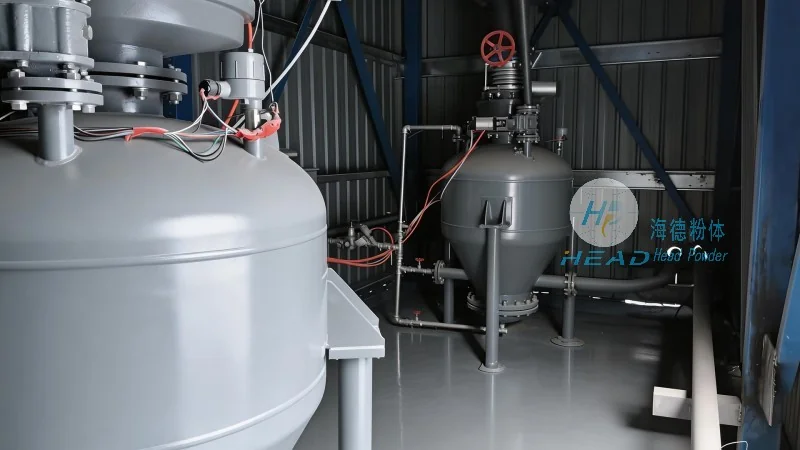
Applications and Industries
Rubber granule pneumatic conveying systems are widely used in various industries that utilize rubber granules as raw materials or additives. These industries include the tire manufacturing sector, where rubber granules are used in tire compounds and recycling processes. The automotive industry also benefits from pneumatic conveying systems for transporting rubber granules used in the production of automotive parts, such as seals and gaskets. The construction industry uses rubber granules in applications like rubberized asphalt and sports surfaces, and pneumatic conveying facilitates the efficient transport of these materials to construction sites. Additionally, the recycling industry relies on pneumatic systems to transport rubber granules from recycling facilities to processing plants or end-use applications. The versatility of pneumatic conveying makes it suitable for a wide range of applications, from small-scale operations to large industrial plants.
Maintenance and Operational Considerations
Proper maintenance and operational considerations are essential to ensure the efficient and reliable operation of a rubber granule pneumatic conveying system. Regular inspection of the conveying line and components is necessary to detect any signs of wear, corrosion, or blockages. The air source and control valves should be checked regularly to ensure they are functioning within the specified parameters. The feed hopper and feeder should be kept clean to prevent material buildup and ensure consistent flow rates. The system should be operated within the recommended air pressure and flow rate ranges to avoid excessive wear or system failure. Additionally, the use of appropriate filters and separators helps maintain the cleanliness of the rubber granules and the system components. Proper training of operators on the system's operation and maintenance is crucial to prevent accidents and ensure optimal performance. By following these maintenance and operational guidelines, the system can operate efficiently and provide reliable service for years.